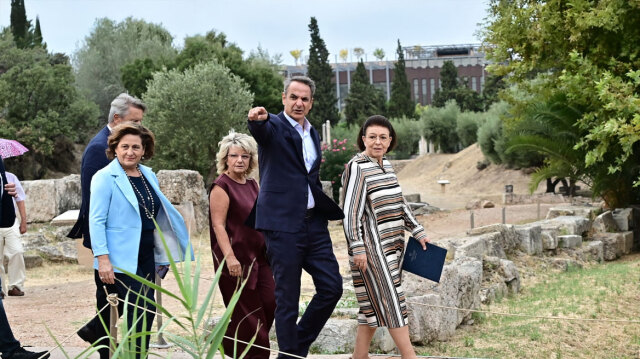
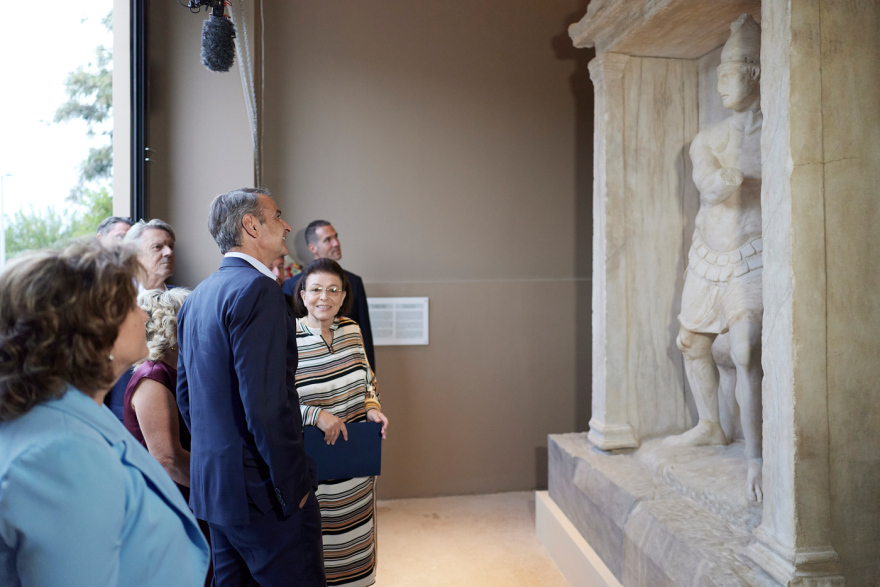
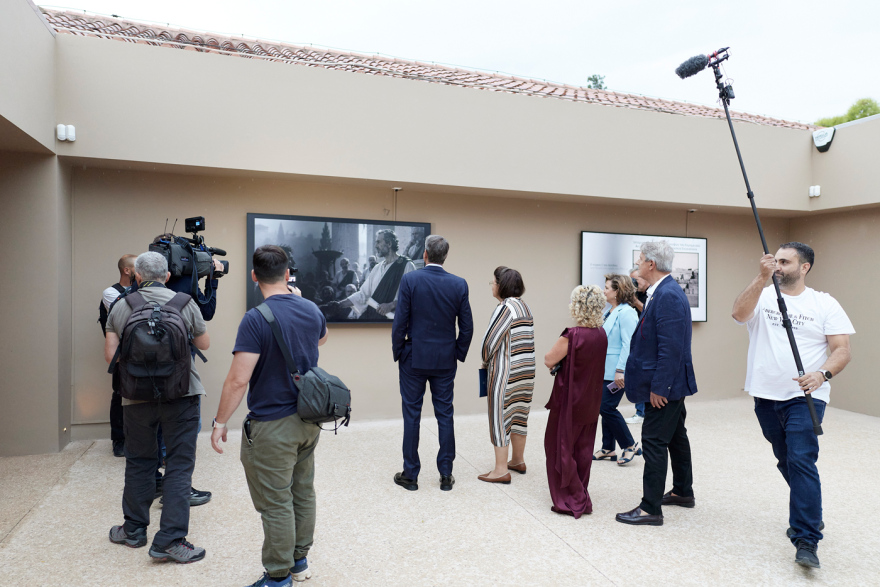
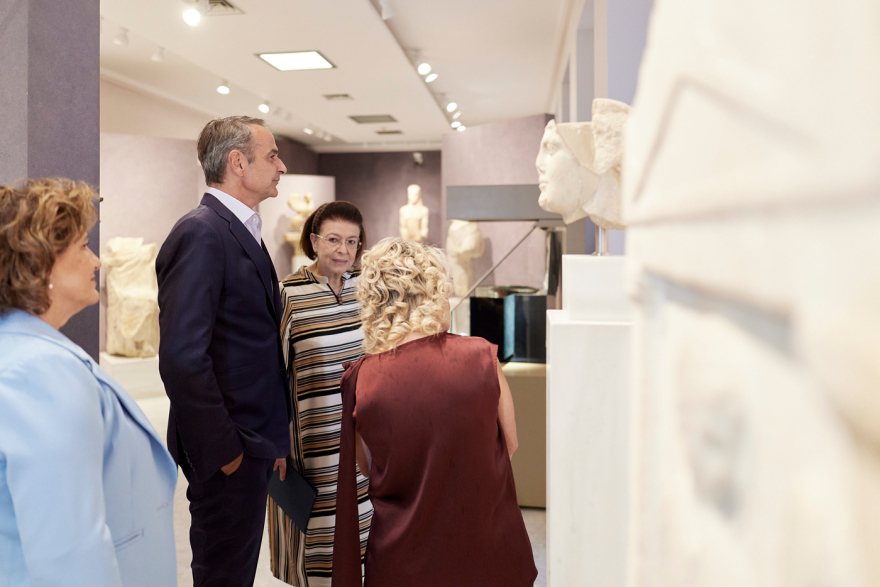
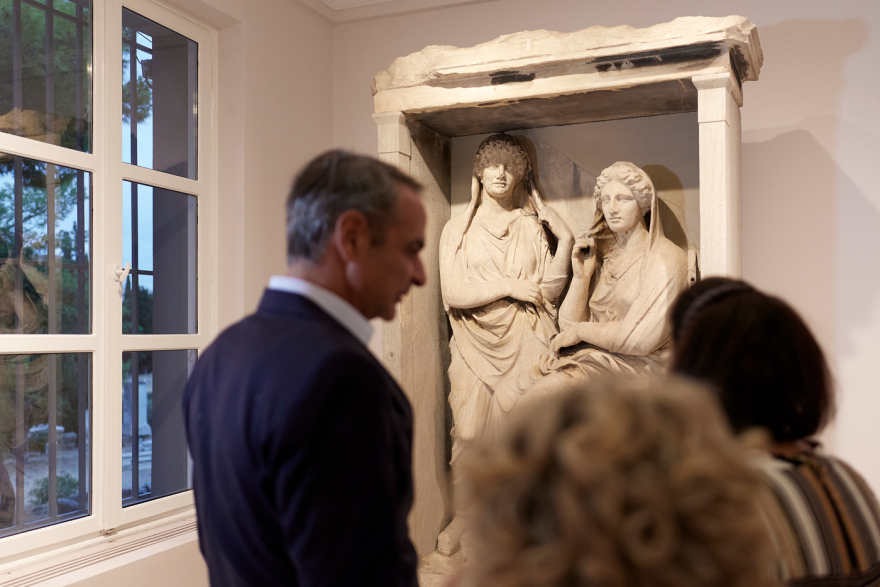
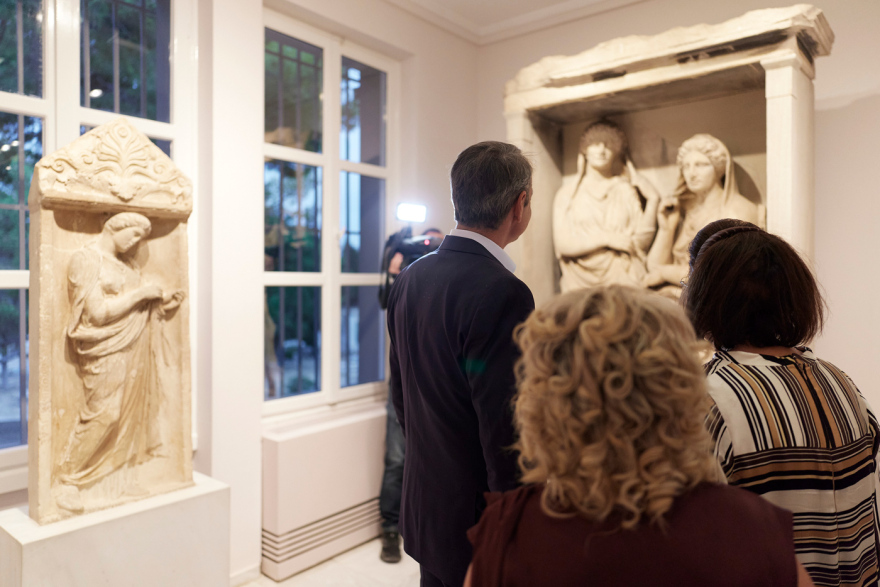
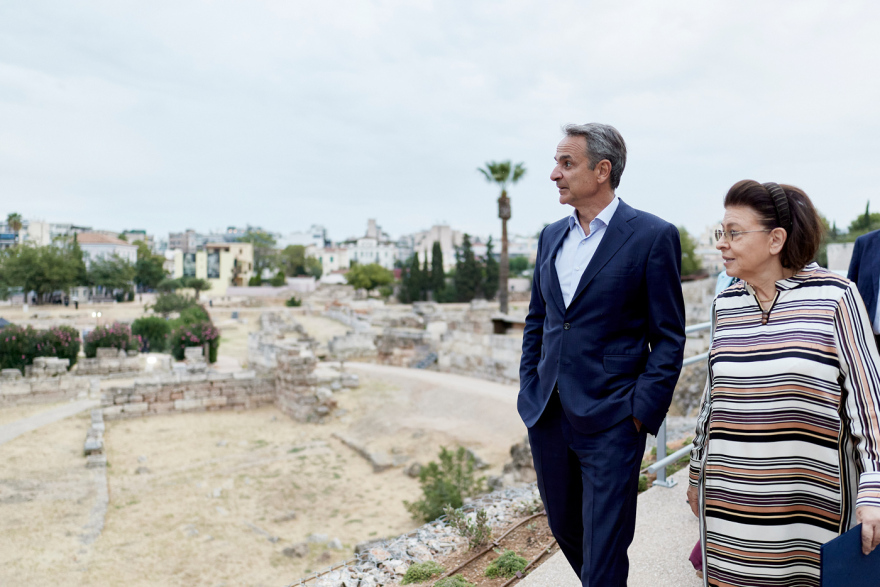
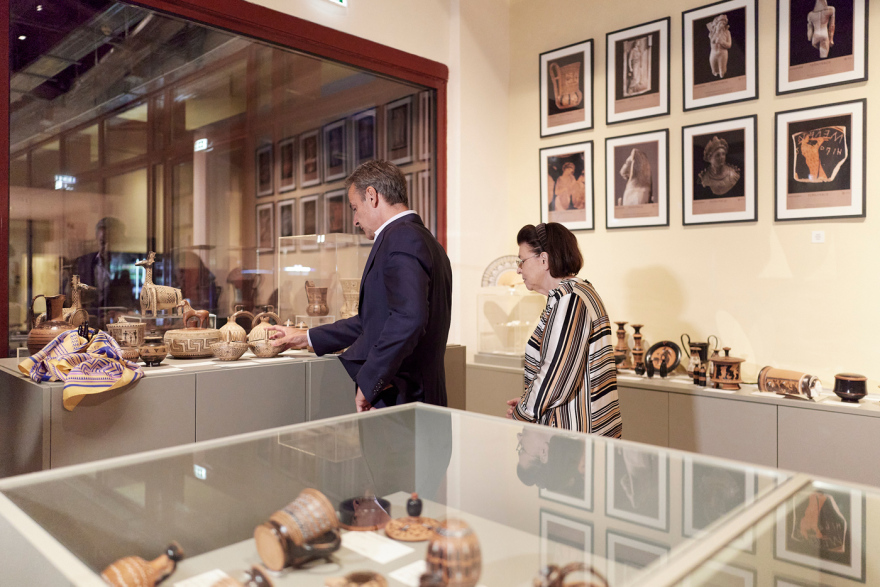
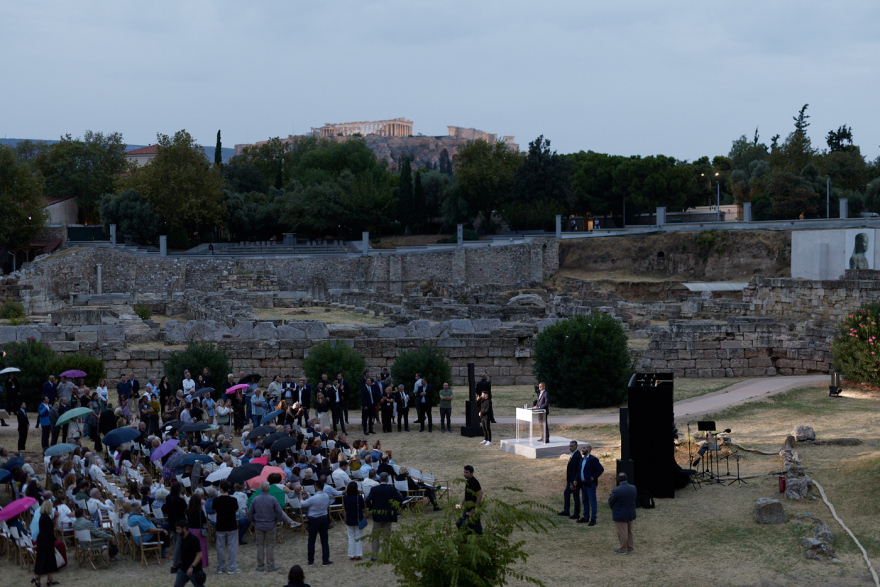
Greek Prime Minister Kyriakos Mitsotakis attended the inauguration of upgraded infrastructure at the Kerameikos archaeological site in Athens on September 15, 2026, where he said modern democracy is being challenged from many different directions.
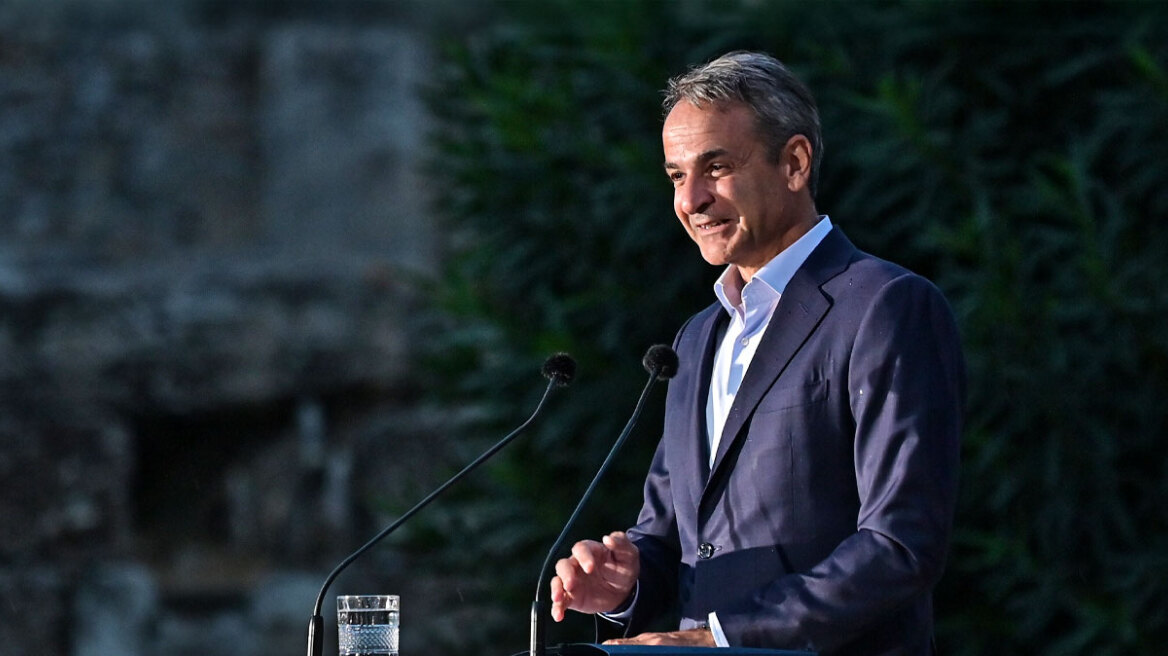
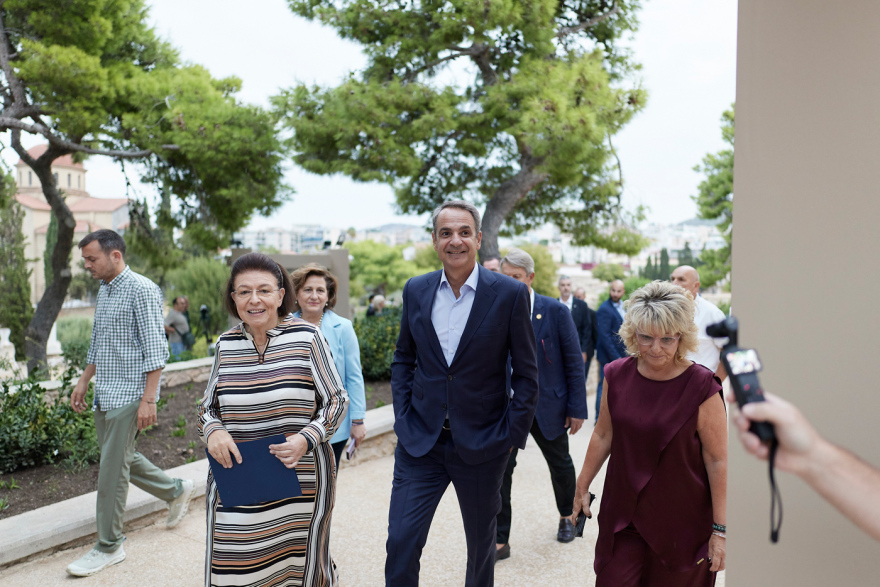
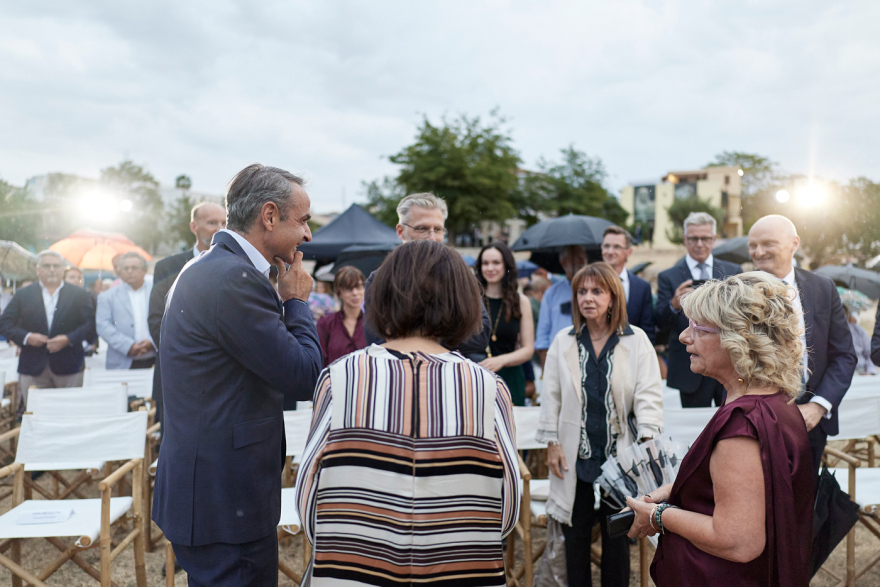
Mitsotakis was welcomed to the site by Culture Minister Lina Mendoni. He addressed government colleagues, members of the Hellenic Parliament and other guests at the ceremony.
Pericles and a Democracy Under Strain
Mitsotakis referred to Pericles and the Funeral Oration the ancient Athenian statesman delivered at Kerameikos in honour of those who died for Athens, praising democracy, freedom and duty to one's homeland. He called the oration one of the most important texts of ancient literature, adding that in the current difficult era, with democracy being challenged by many different poles, the speech felt increasingly relevant.
He said that walking through the site produced a sense of awe, describing it as a place linking past and present along a path once walked by ancient Athenians, and said the route was now easier to follow thanks to the completed upgrade works.
350 Million Euros for More Than 100 Projects
Mitsotakis congratulated the Culture Ministry's leadership for the scope of the interventions under way across Attica, saying 350 million euros had been allocated to more than 100 different projects. He said this was where the national strategy for developing and promoting Greece's cultural wealth was being carried out.
He singled out projects funded by Greece's Recovery and Resilience Fund, saying they had been completed within their planned timelines after a major effort, and that not a single euro had been lost. He said the government had directed significant resources from the fund toward large projects of national scope tied to cultural heritage, and that the work at Kerameikos had already helped make the site better known to both foreign visitors and Athenians themselves.
Athens as a Standalone Destination
Mitsotakis linked the cultural investments to the broader upgrading of Athens' tourism image, saying visitor numbers to the capital had risen impressively over the past year. He said one reason was that visitors increasingly choose to come to Athens not simply as a stopover on the way to the islands, but to get to know Athens as a destination in its own right.
A Journey Across Ancient Athens
In his speech, Mitsotakis described the archaeological sites of Athens as forming one large open-air museum spanning more than 2,100 stremmata, a Greek land measure equal to roughly a quarter of a hectare. He said the network now begins at Vasilissis Olgas Avenue, which has been incorporated into the scheme unifying the city's archaeological sites, continues past the Pillars of the Temple of Olympian Zeus, rises to the Sacred Rock of the Acropolis, and passes through the Ancient Agora, itself the subject of major Recovery Fund interventions, before ending at Kerameikos.
Citing the ancient historian Thucydides, Mitsotakis called Kerameikos the most beautiful suburb of Athens. He said the inner part of Kerameikos, within the city walls, once held homes, public buildings and the ancient market, while the outer Kerameikos, beyond the walls, included the workshops of potters, the cemetery and the Public Sign, or Demosio Sema, whose own promotion is now also beginning.
Background on the Site
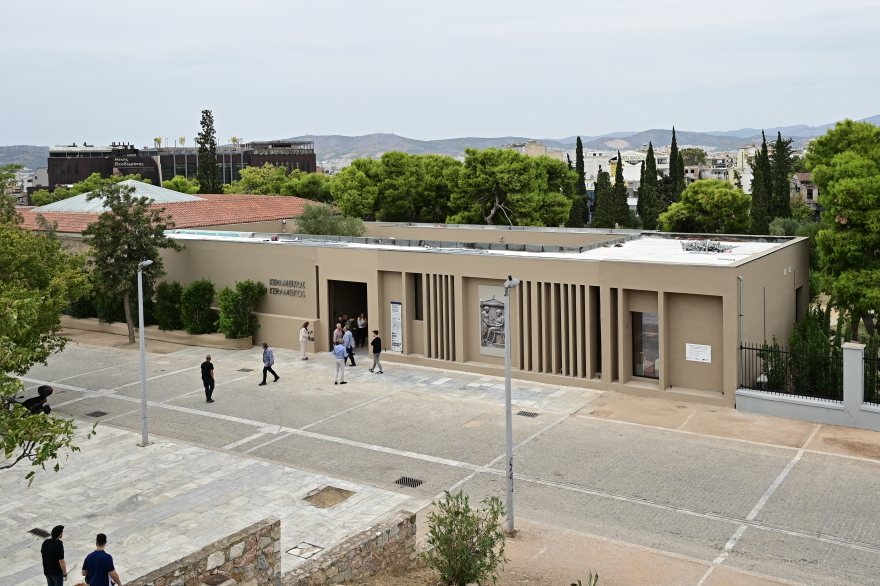
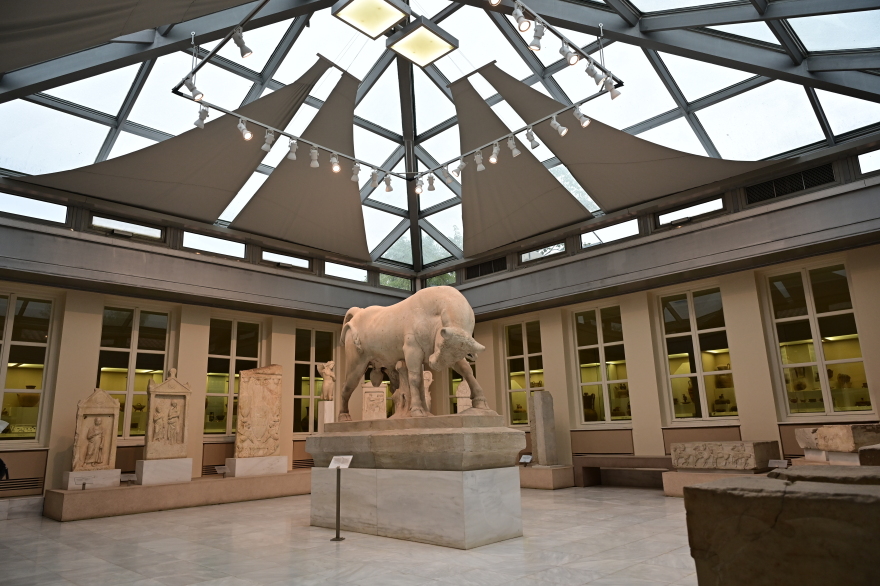
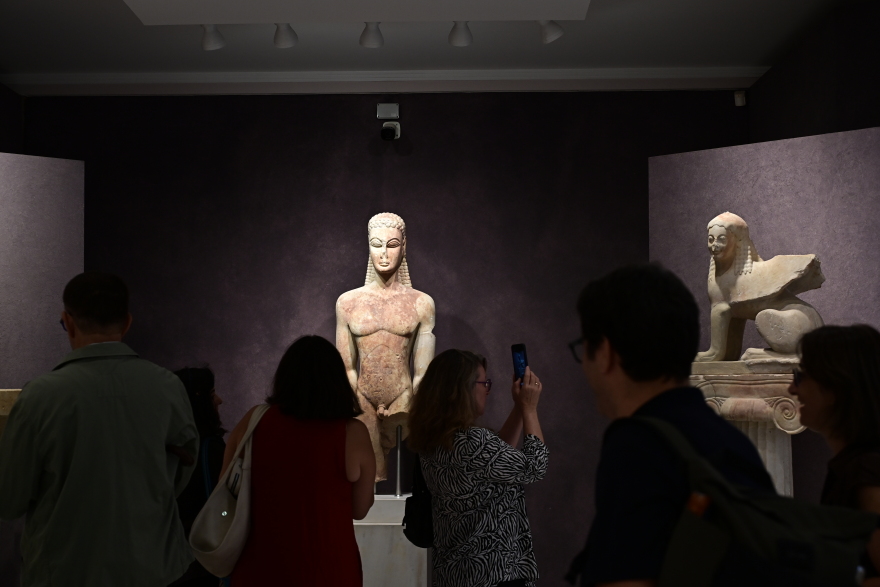
The upgrade was carried out by the Ephorate of Antiquities of the City of Athens and the Directorate for the Restoration of Ancient Monuments, using funding from the Recovery and Resilience Fund, and covered the functional and aesthetic renovation of Kerameikos, one of Athens' most important archaeological sites. It was the city's most significant cemetery, in use from the prehistoric period through late antiquity, and was also one of the ancient world's major centres of pottery-making and vase painting.
More Projects to Come
Mitsotakis said many Athenians still do not know the full wealth of the city they live in, and that residents needed to make a renewed effort to get to know their own city, something he said the completed Recovery Fund works had made easier. He said the tour of the site, conducted despite rainy weather, had left him feeling vindicated that the interventions had made a difference for both visitors and Athenians.
He said the programme of works does not end with Kerameikos, adding that there are many more significant projects to deliver in the coming months, and that he expected to return for another such event soon since the Culture Ministry's work is not limited to the Recovery Fund's implementation schedule. He closed by thanking Mendoni and everyone who had worked to restore the site with such care.