

Boeing has received a $119.65 million contract modification from the United States Navy to manufacture nine modernization kits for the P-8A Poseidon maritime patrol aircraft.
The agreement, signed under the United States Department of War, allocates seven of the upgrade packages to the US Navy and two to the Royal Australian Air Force. The contract also includes the installation of four of the kits on US Navy aircraft.
Work on the modifications will take place mainly in Jacksonville, Florida, with completion scheduled for May 2030. Jacksonville is home to Naval Air Station Jacksonville, which serves as the primary East Coast operating base and training hub for US Navy patrol squadrons flying the Poseidon.
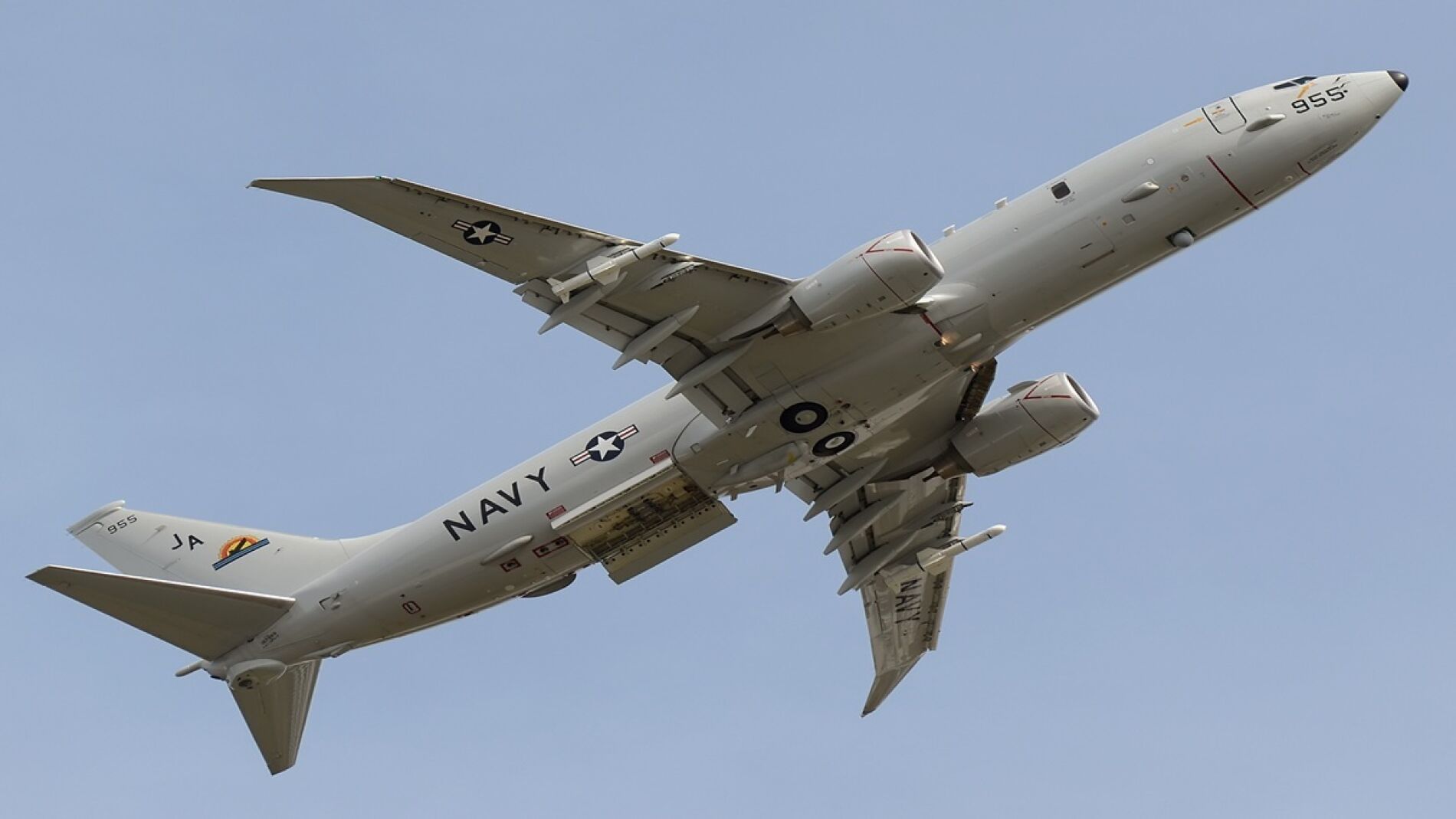
The upgrades form part of the Increment 3 Block 2 program, one of the largest capability overhauls for the P-8A Poseidon since the twin-engine jet entered fleet service in 2013 to replace the turboprop Lockheed P-3 Orion. The US Navy declared initial operational capability for the Increment 3 Block 2 configuration in April 2026 after completing its testing phase.
Increment 3 Block 2 computing and sensor upgrades
The Increment 3 Block 2 modernization package outfits the patrol aircraft with new avionics components, antennas, sensors, wiring, and combat systems. Specific improvements include greater computer processing capacity, a reinforced security architecture, wideband satellite communications, and additional acoustic and communications systems.
A central priority of the overhaul is contact management during anti-submarine warfare missions. In undersea operations, picking up an acoustic noise does not automatically mean a crew has found a submarine, because ambient ocean sound and commercial shipping traffic complicate detection.
To confirm a target, the aircraft's combat systems must determine whether a signal comes from a hostile threat, identify the vessel, calculate its position, and maintain continuous tracking. The upgraded computing architecture integrates and organizes scattered sensor data so aircrews can evaluate contacts and make operational decisions more quickly.
How the P-8A Poseidon tracks submarines
Built by Boeing Defense, Space & Security on the commercial Boeing 737 airframe, the P-8A Poseidon shares little more than its fuselage geometry with passenger airliners. Derived from the 737-800 platform with strengthened wings and weapons bays, the jet is built to fly long patrols over open water, gather intelligence, coordinate combat operations, track surface ships, and conduct maritime reconnaissance alongside its primary anti-submarine warfare role.
Beneath the ocean surface, a submarine is among the hardest military targets to locate because it does not need to emit radio signals or maintain visual contact with other vessels. Its main defense consists of disappearing into deep water, an environment where sound travels much farther than light.
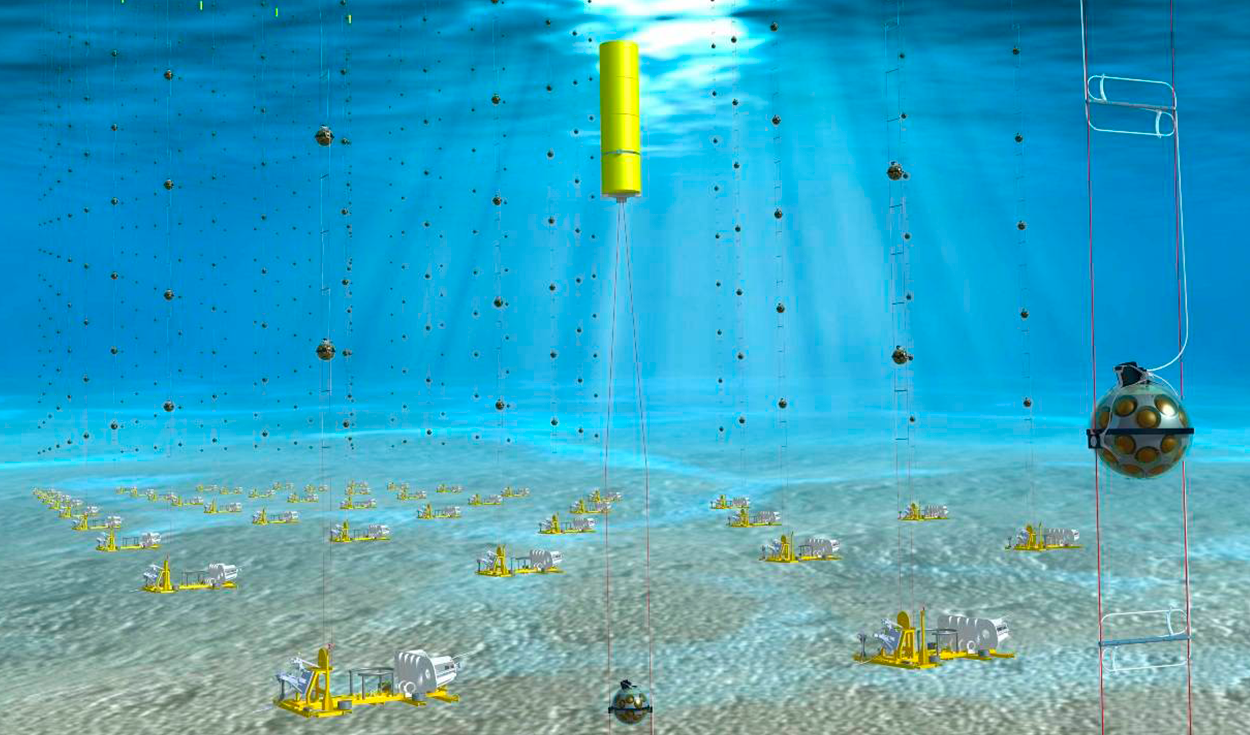
To hunt submerged vessels across vast expanses of sea, naval forces rely on intelligence systems, radars, acoustic sensors, and patrol aircraft. The Poseidon carries rotary launchers that drop sonobuoys, which are small expendable cylindrical sensors that deploy hydrophones in the water and relay underwater sounds back to the aircraft by radio. Passive sonobuoys listen silently to the surrounding sea, while active sonobuoys emit acoustic signals and analyze returning echoes to spot sound patterns consistent with a submarine.
Electronic warfare and naval network integration
Alongside its acoustic sensors, the P-8A Poseidon uses surface search radars to locate ships and periscopes, paired with electronic support measures that passively detect electromagnetic emissions such as radar or radio transmissions without revealing the aircraft's presence. Combining acoustic, radar, and electromagnetic tools allows the crew to assemble a complete picture of the maritime environment.
Modernizing the communications suite is designed to connect those onboard sensors more tightly with allied forces. Rather than operating in isolation, the P-8A functions as a node in a wider military network that shares targeting and surveillance data with surface warships, other aircraft, and shore command centers.
The wideband satellite links and communications upgrades in the Increment 3 Block 2 package allow data collected during a patrol to be passed rapidly to other naval units. Operating across water and air requires bridging two physical mediums where signals travel at very different speeds.
Russian, Chinese, and Indo-Pacific submarine activity
The operational demand for upgraded maritime patrol aircraft has risen alongside expanding submarine activity by the naval fleets of Russia and China. For naval commanders, detecting and tracking a submerged vessel before it can approach a critical maritime zone or naval task force is essential.
Nuclear-powered submarines use onboard reactors that operate without atmospheric oxygen, allowing them to remain submerged for months and patrol across global distances. Conventional diesel-electric submarines equipped with air-independent propulsion systems can also stay underwater for weeks at a time without surfacing or raising a snorkel to recharge their batteries.
The inclusion of two modification kits for the Royal Australian Air Force reflects ongoing defense cooperation between the United States and Australia across the Indo-Pacific, where vast ocean distances and strategic competition make maritime surveillance a top priority. Australia has been the US Navy's main international partner in the Poseidon program since its inception and operates its P-8A fleet out of Royal Australian Air Force Base Edinburgh in South Australia.
Despite the contract upgrades, the Poseidon is not invulnerable and cannot guarantee the detection of every submarine. Underwater tracking remains constrained by physical ocean conditions, including water temperature, salinity, currents, and background noise, leaving the tactical advantage in undersea warfare to whichever side can hear first, interpret underwater signals fastest, and hold contact with the adversary.