
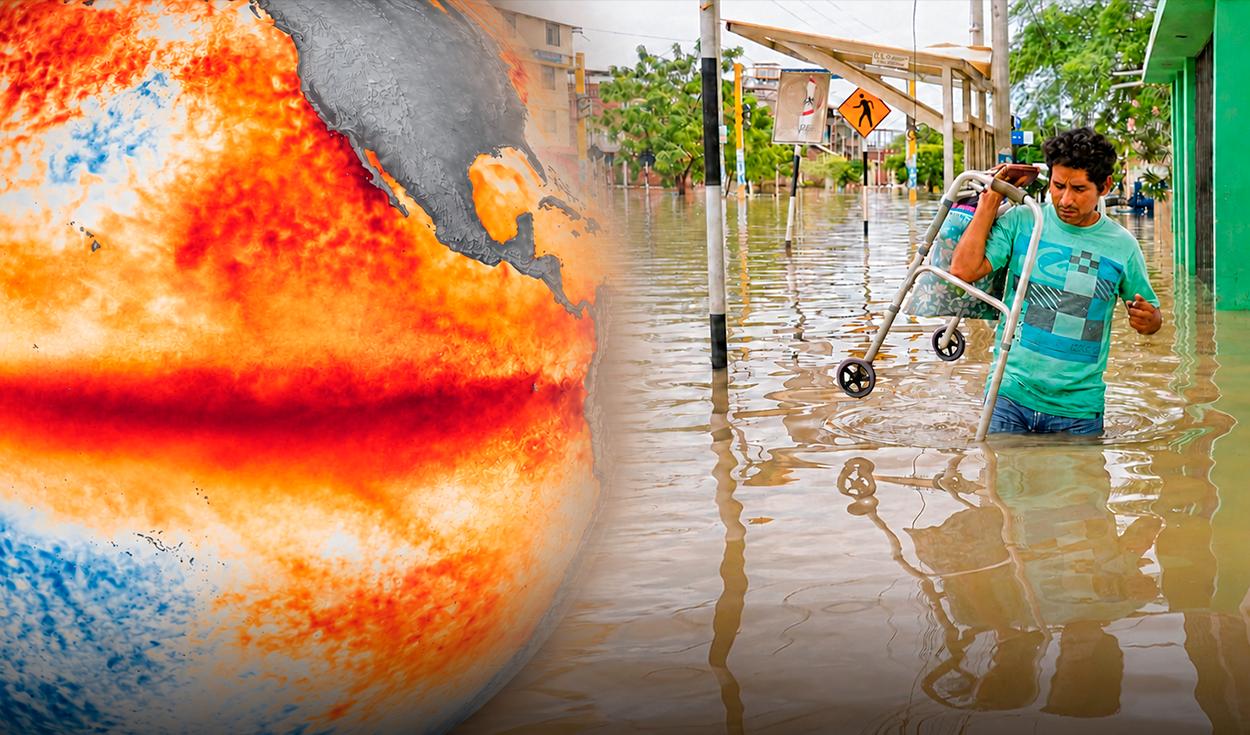
El Niño conditions in 2026 have nearly matched the intensity of the historic 1997 event, with the U.S. National Oceanic and Atmospheric Administration (NOAA) ranking this year's ocean warming as the second-highest since 1950.
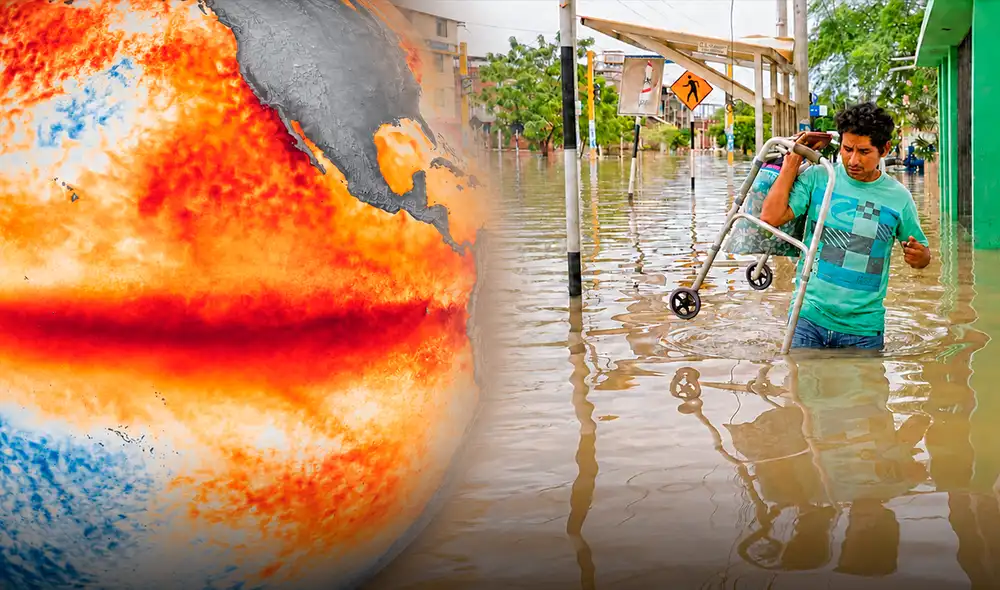
The Relative Oceanic Niño Index (RONI) reached +2.0 degrees Celsius between August and October 2026, just a tenth of a degree below the +2.1 degrees Celsius recorded in the same three-month period of 1997, according to NOAA.
El Niño is a natural climate pattern marked by warmer than usual surface waters in the central and eastern tropical Pacific Ocean. It disrupts normal rainfall patterns across South America and can also contribute to drier conditions in parts of Southeast Asia and Australia, and it tends to recur every few years.
To calculate the RONI, NOAA measures sea surface temperature anomalies in the Niño 3.4 region of the equatorial Pacific, then adjusts the figure to reflect broader warming trends in tropical waters around the world.
That adjustment is what sets the RONI apart from NOAA's standard Oceanic Niño Index. By correcting for the general warming of tropical oceans over time, the RONI is meant to allow fairer comparisons between El Niño episodes measured decades apart.
How 2026 compares with 1997 and 2015
Earlier El Niño cycles show how sharply the index can move as a season progresses. In 1997, the RONI climbed to +2.3 degrees Celsius between October and December. In 2015, it jumped from +1.8 degrees Celsius in August-October to +2.3 degrees Celsius by November-January.
NOAA said the peak of the current cycle will not be known until the next quarterly readings are finalized.
NOAA's Climate Prediction Center said in a report dated November 12 that El Niño continues to strengthen. The agency put the probability at about 60% that the index will match or exceed +2.5 degrees Celsius in both the October-December and November-January periods, a level that would surpass the historical highs on record.
The 1997-98 El Niño is widely regarded as one of the strongest of the 20th century, associated at the time with severe flooding in parts of South America and droughts elsewhere, and with disruptions to Peru's anchovy fishing industry, which is especially sensitive to warm ocean conditions off the country's coast.
Rainfall forecasts for Peru and South America
Climate models reviewed by the International Research Center on the El Niño Phenomenon (CIIFEN) point to above-normal rainfall between December 2026 and February 2027 along the coastal strips of Ecuador and Peru, across wide areas of Argentina, in parts of Paraguay and Uruguay, and on the southern tip of Brazil.
In Peru, that regional outlook centers on the coastal strip. The country's ENFEN commission, the multisectoral body that studies the phenomenon's effects nationally, expects above-average rainfall along the entire Peruvian coast and on the western slopes of the northern and central Andes during the 2027 summer, according to a report released by Peru's National Institute of Civil Defense (Indeci).
ENFEN said those rain events would be more intense and more frequent along Peru's northern coast.
Heavier than normal rain raises the risk of flooding and landslides along Pacific coastal areas that are normally arid, and can also affect crops and infrastructure in a region where desert terrain gives way abruptly to the Andes.
Drought risk in the Amazon and inland South America
The outlook flips for the continent's interior. CIIFEN projects water shortages in the Ecuadorian and Peruvian Amazon rainforest and in northern Brazil, despite those areas' typically wet climate. The center also forecasts rainfall deficits in Colombia, Venezuela, the Guianas, Bolivia's altiplano and southern Chile.
A drier Amazon can lower river levels that rural and Indigenous communities rely on for transport and water supply, in contrast with the flooding risk forecast for the Pacific coast during the same months.
NOAA said the full strength of the 2026-2027 El Niño will be confirmed once the next quarterly temperature readings close, while Peru's ENFEN continues monitoring rainfall and flood risk along the northern coast ahead of the 2027 summer.
What happens next
NOAA says the peak of the current El Niño will be confirmed once the next quarterly temperature readings close, while Peru's ENFEN continues tracking rainfall and flood risk along the northern coast ahead of the 2027 summer.
Test yourself
What RONI value did NOAA record for August-October 2026?
Where does NOAA rank the 2026 El Niño among ocean warming episodes since 1950?
Which part of Peru's coast is expected to see the most intense and frequent rain in the 2027 summer?
Have your say
How concerned are you about El Niño's rainfall and drought effects in South America this summer?
Where it happened
Lima, Peru