
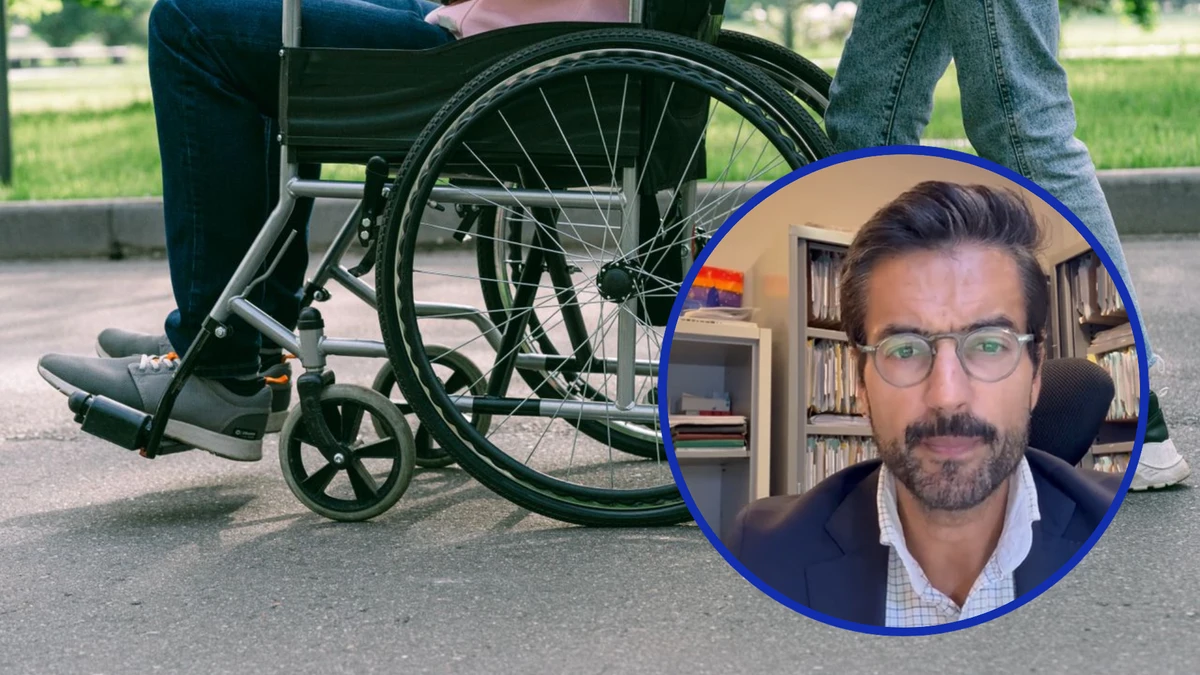
Spain's High Court of Justice of Catalonia has overturned a Barcelona labour court's refusal to grant a worker full permanent disability benefits, ruling that the combined effect of his illnesses leaves him unable to carry out any job, including sedentary office work, according to his lawyer, Agustín Moles.
An office job can look like an alternative when illness rules out physical effort, but sitting at a desk does not remove every demand of a working day: a person still has to travel to work, keep up attention and meet a schedule. That distinction proved decisive in the worker's appeal after a Barcelona court had denied him the absolute permanent incapacity he had requested.
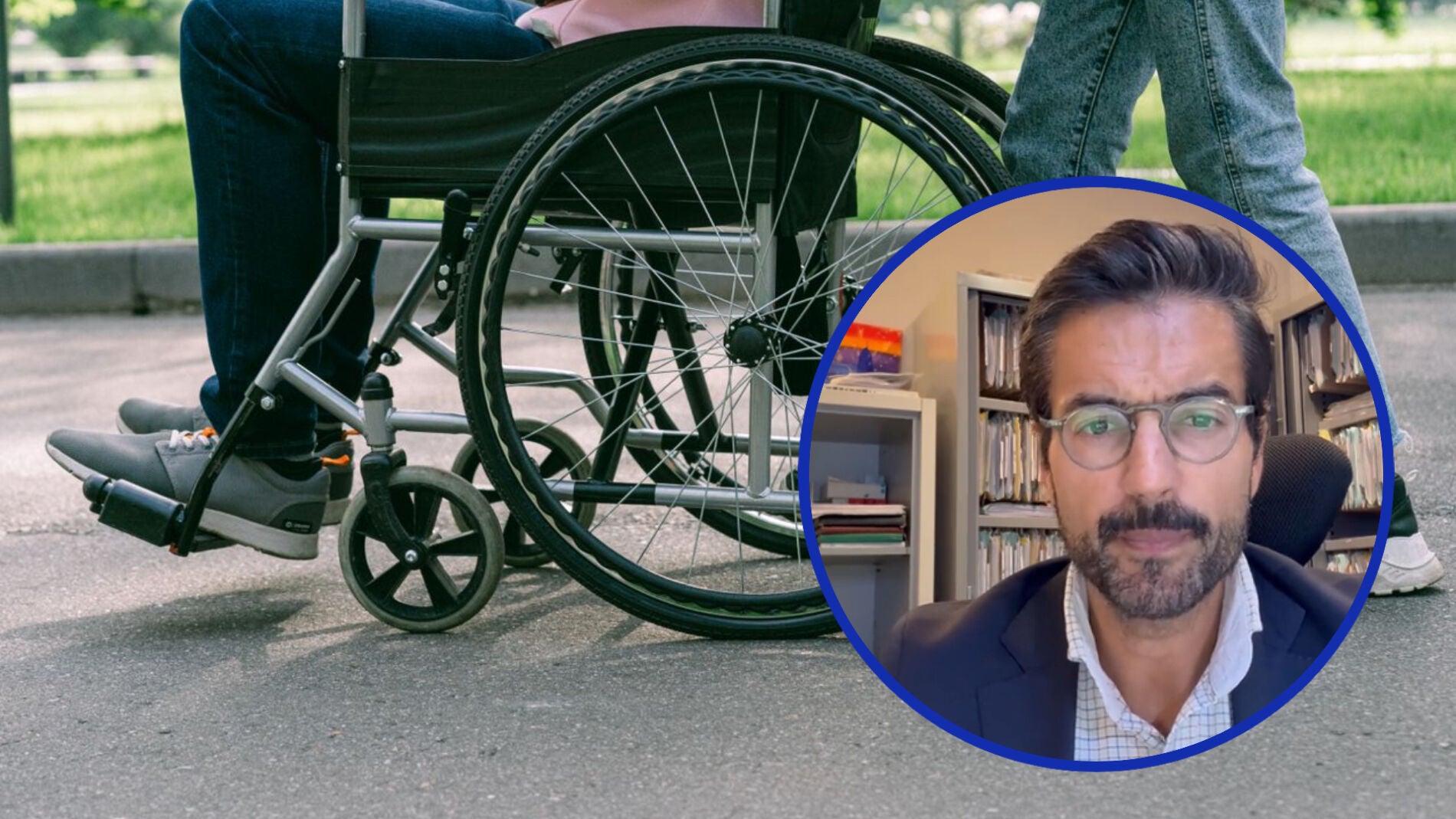
Moles explained the case in a video, saying the Catalan High Court upheld his client's appeal. The judges concluded that the man's conditions rule out any profession, including light or seated tasks. The worker has muscular dystrophy, or myopathy, of genetic origin, ischemic heart disease, and a moderate to severe anxious-depressive disorder for which he remains under medical follow-up. Moles presented the ruling as the outcome of weighing the limitations produced by all three conditions together, after the first judgment had rejected the degree of incapacity he had requested.
What changed on appeal
The first-instance ruling, issued by a Barcelona labour court, had rejected the worker's request. He then took the case to the Catalan High Court through what Spanish procedure calls a recurso de suplicación, a type of appeal heard by a panel of judges. That panel, made up of three magistrates, reached a different conclusion about his ability to work.
According to Moles, the court found the limitations were likely permanent and extended even to jobs that do not require physical effort. The lawyer summed up the ruling as preventing the worker from doing a job no matter how light or sedentary it is. The key question, he said, was not simply whether the man could remain seated, but whether he could sustain the ordinary tasks and conditions that come with any job.
Moles noted that courts have also examined, in other proceedings, how the after-effects of illness affect a person's capacity to work. In this case, the panel weighed the combination of a muscular disease, heart disease and a mental health disorder in reaching its decision.
What absolute permanent incapacity means
Absolute permanent incapacity is recognised in Spain when a person's limitations rule out any profession or trade. It is a different category from total permanent incapacity, which applies only to a person's usual occupation. That is why, when someone applies for the absolute category, the assessment does not stop once it is established that they can no longer do their previous job.
The outcome also does not depend only on the name of the illness. Two people with the same diagnosis can have different limitations, and what matters in an incapacity assessment is how those conditions affect a person's ability to work. The coexistence of physical and psychological problems can also prove decisive, as Moles noted has been shown in other cases decided by Catalan courts.
In the case he described, the worker received an unfavourable ruling first and decided to appeal. The Catalan High Court upheld that appeal and, according to Moles, recognised the worker's absolute permanent incapacity after concluding that his limitations prevent him from carrying out even a sedentary profession.
Test yourself
Which court overturned the denial of the worker's disability benefits?
According to lawyer Agustín Moles, why was the worker ruled unable to work?
What type of incapacity did the court recognise for the worker?
Have your say
Should disability assessments weigh the combined effect of multiple health conditions rather than each one separately?
Where it happened
Barcelona, Spain