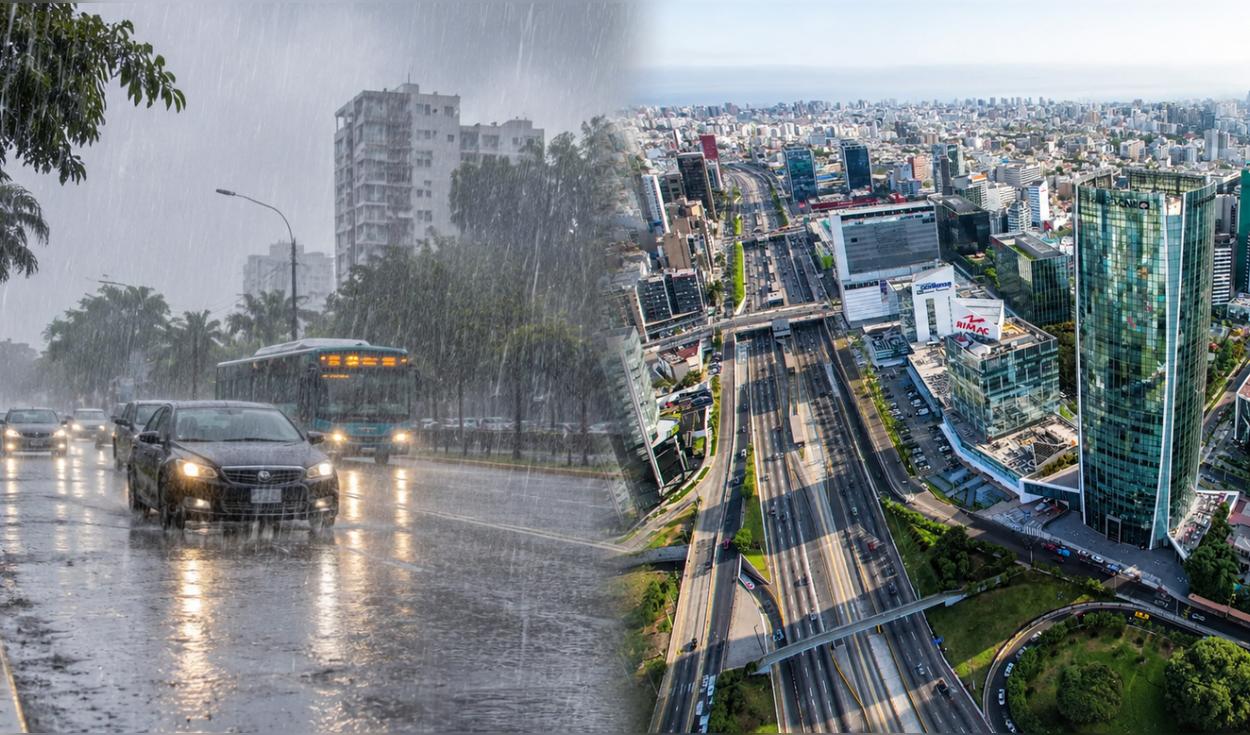
El Niño could become one of the main factors limiting growth in Peru's economy in 2027, according to Fernando Guiluz, chief executive of BBVA. Guiluz said BBVA Research estimates the weather phenomenon could subtract between 1.3% and 1.7% from next year's economic growth, due to its effects on various productive activities and infrastructure.
Speaking in an exclusive interview with La República during CADE Ejecutivos 2026, Guiluz said the bank projects Peru's gross domestic product (GDP) would grow by around 2.9% in both 2026 and 2027. He warned, however, that the climate phenomenon's impact could alter that outlook.
Guiluz said the bank expects this year to close at 2.9% growth and the same for next year, with an impact of roughly 1.3 to 1.7 percentage points next year from El Niño.
BBVA warns of dry riverbeds reactivating in Lima
Guiluz said Peru needs to speed up prevention measures against the possible effects of El Niño. He warned that some riverbeds that had remained dry for decades could carry water again, raising risks for nearby areas and requiring authorities to respond in advance.
Guiluz said many dry rivers are going to become active again, including some in Lima where water has not flowed for more than 50 years. He said this would cause some problems in Lima and in the rest of the country.
Guiluz also said the phenomenon's impact could reach sectors such as agriculture and fishing, activities particularly exposed to changes in weather conditions. He stressed the importance of developing prevention campaigns and preparing different regions to face possible emergencies.
Added to these risks is the trajectory of prices. Guiluz said inflation has exceeded the levels the bank had expected and also requires attention. He said the country must keep monitoring economic indicators while preparing for the effects of the weather phenomenon.
Financial inclusion and access to credit in the regions
During the interview, the BBVA chief executive also addressed differences in access to the financial system between Lima and the regions. He said financial inclusion must advance together with education, so that more citizens know about available products and can use them properly.
As part of that process, he highlighted the importance of strengthening reading comprehension from childhood. Guiluz asked how it is possible to talk about financial inclusion if people do not understand what they are reading. He said developing that skill is a foundation for people to understand the terms of financial products, weigh alternatives and make informed decisions.
He also said banks must get closer to communities and support small businesses as they go through the process of formalization. He noted that Peru has a significant presence of small and medium-sized enterprises across its regions and that banks must take an active role in facilitating their access to financing.
Along those lines, he said entrepreneurs need guidance to understand how credit works and what their obligations are. He also warned that leaving that space to other lending organizations could pose risks for people seeking financing without enough information.
Guiluz calls for coordination between government and private sector
Another topic addressed was economic decentralization. Guiluz said CADE Ejecutivos 2026 had paid attention to the needs of the regions and to the participation of their representatives in national decisions.
As an example, he mentioned infrastructure difficulties in Urubamba and a gas problem that originated in the area, which he said still has no definitive solution. In his view, these issues reflect the need for regional demands to receive greater attention.
Finally, Guiluz said economic and social challenges cannot be addressed only by the government or by businesses. He said both sectors, together with society, must work in a coordinated way and set aside their differences to prioritize national development.
Guiluz said this is not a problem for the government alone, nor for businesses alone, nor for society alone, but a problem that everyone will overcome together.
Test yourself
According to BBVA Research, how much could El Niño subtract from Peru's 2027 economic growth?
What did Fernando Guiluz warn could happen to some dry riverbeds in Lima?
What growth rate does BBVA project for Peru's GDP in both 2026 and 2027?
Have your say
How concerned are you about El Niño's potential impact on economic growth?
Where it happened
Lima, Peru