


More than 178,000 African immigrants have suddenly left South Africa or been deported following government crackdowns and violent protests, origin country officials reported.
The movement marks one of the largest migration exoduses in recent years within Africa's most advanced economy. Many immigrants left out of fear of attacks as anti-immigration demonstrations turned violent across the country.
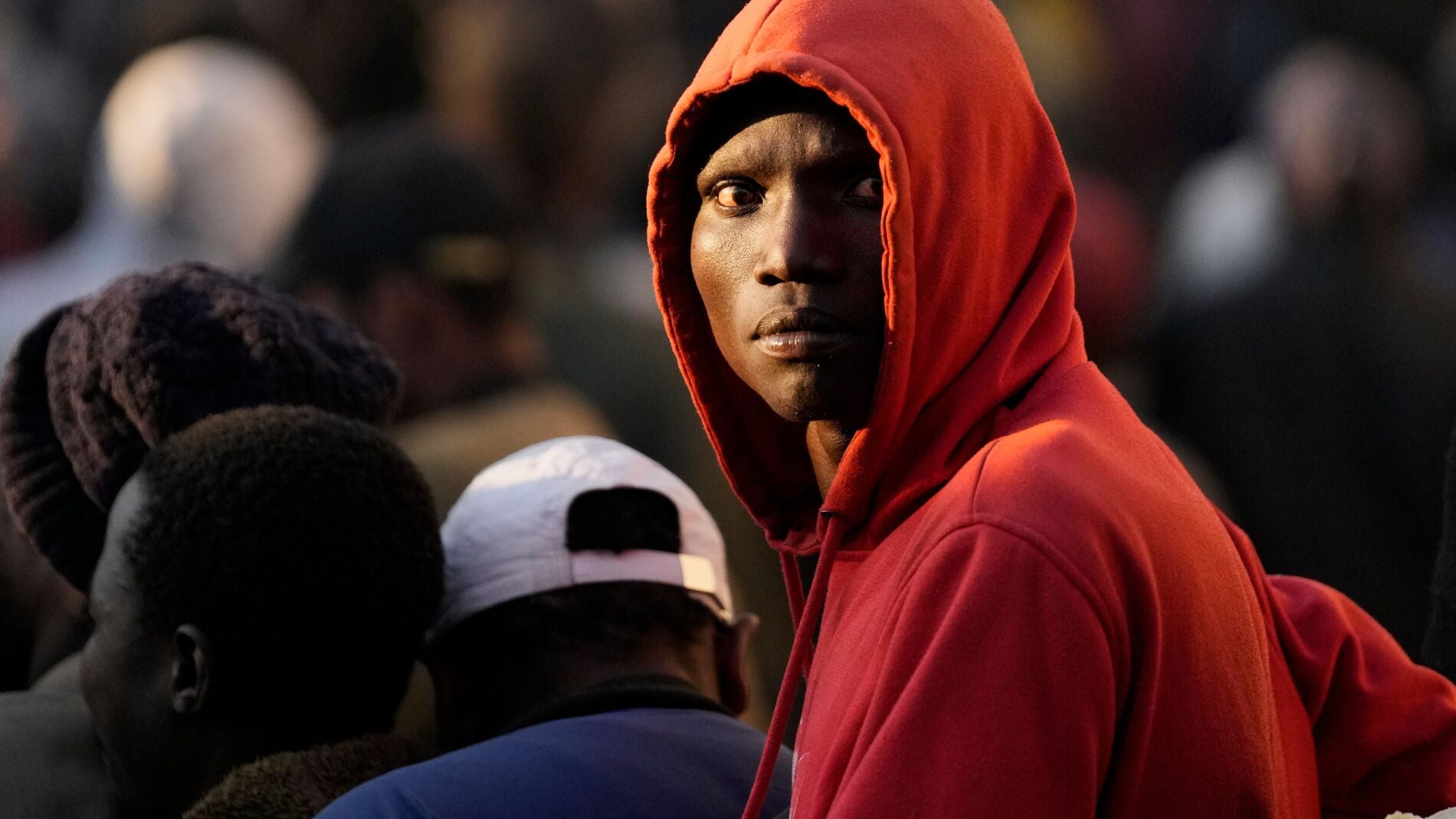
Counts compiled by destination governments show that more than 115,000 people returned to neighboring Zimbabwe since late May. Malawi reported receiving more than 56,000 citizens, while Nigeria, Ghana, Mozambique, and Lesotho each recorded over 1,000 returning nationals.
The vast majority of returnees accepted voluntary repatriation offers from South Africa or their home nations. South African officials said this week that approximately 19,000 people have been officially deported since April.
Scale of the Regional Exodus
Immigrant rights organizations raised concerns over the sudden movement of people, pointing to thousands of children pulled from schools and HIV patients left without vital treatments. The movement highlights intra-African migration challenges at a time when international attention remains focused on migration toward Europe, such as the crisis this month where more than 70,000 people attempted to cross from Morocco into the Spanish territory of Ceuta.
Anti-illegal immigration groups in South Africa staged protests throughout the year, culminating in nationwide demonstrations on June 30. Organizers described that date as a final deadline for undocumented immigrants to leave the country.
Demonstrators argue undocumented workers drive up unemployment by occupying jobs and strain public services. South Africa has attracted millions of workers from across the continent for decades to work on farms, in restaurants, in construction, and in other low-wage sectors. Census data from 2022 recorded 2.4 million foreign nationals out of a population of 62 million, though protest organizers maintain the actual number of undocumented residents is far higher.
Violent Attacks and Diplomatic Strain
Protests were accompanied by door-to-door campaigns by activist groups. Human rights organizations reported that immigrants, including legal residents, faced threats, physical attacks, and the burning of their homes and businesses.
The government of Mozambique stated that 11 Mozambican citizens died in attacks in South Africa. Officials in Nigeria and Ghana also reported that some of their citizens were killed. South Africa questioned those figures, saying some deaths resulted from crimes such as robbery rather than anti-immigration violence, and noted that police are investigating several deaths.
The crisis triggered unusual diplomatic friction between South Africa and neighboring African nations that accused the country of xenophobia. Ghana requested that South Africa's anti-immigrant sentiment be placed on the agenda for an African Union meeting in October. South Africa blocked the request but called for broader continental discussions on migration.
Impact on Children and Healthcare
UNICEF and the UN Committee on the Rights of the Child issued a joint statement warning that returning children face heightened risks of violence, exploitation, family separation, and psychological distress due to sudden, undocumented, and uncoordinated moves.
Malawi reported that nearly 4,000 children under age 5 were among those who returned from South Africa. In Zimbabwe, the Zimbabwe Exemption Permit Coordination Committee, a non-governmental organization, estimated that over 11,000 children returned by mid-July. The Zimbabwean government instructed schools not to discriminate and to secure placements for returning students.
Health authorities and relief agencies warned that many migrants fled without prescriptions or medical records, raising fears of interrupted HIV care in a region with high infection rates. Doctors Without Borders set up health tents at the Beitbridge border crossing in Zimbabwe to assist traumatized individuals who lost access to HIV medications and treatments for chronic illnesses.
Government Enforcement and Security Measures
South African authorities stated Friday that roughly 3,000 people are awaiting deportation at an immigration detention center near Johannesburg. Officials deployed around 6,300 inspectors across the country to verify whether businesses are illegally employing undocumented workers.
South African President Cyril Ramaphosa condemned violence against immigrants while acknowledging government shortcomings in enforcing immigration law. Ramaphosa promised additional personnel and technology to secure borders, new immigration courts to expedite deportations, and stiffer penalties for employers hiring undocumented workers.


