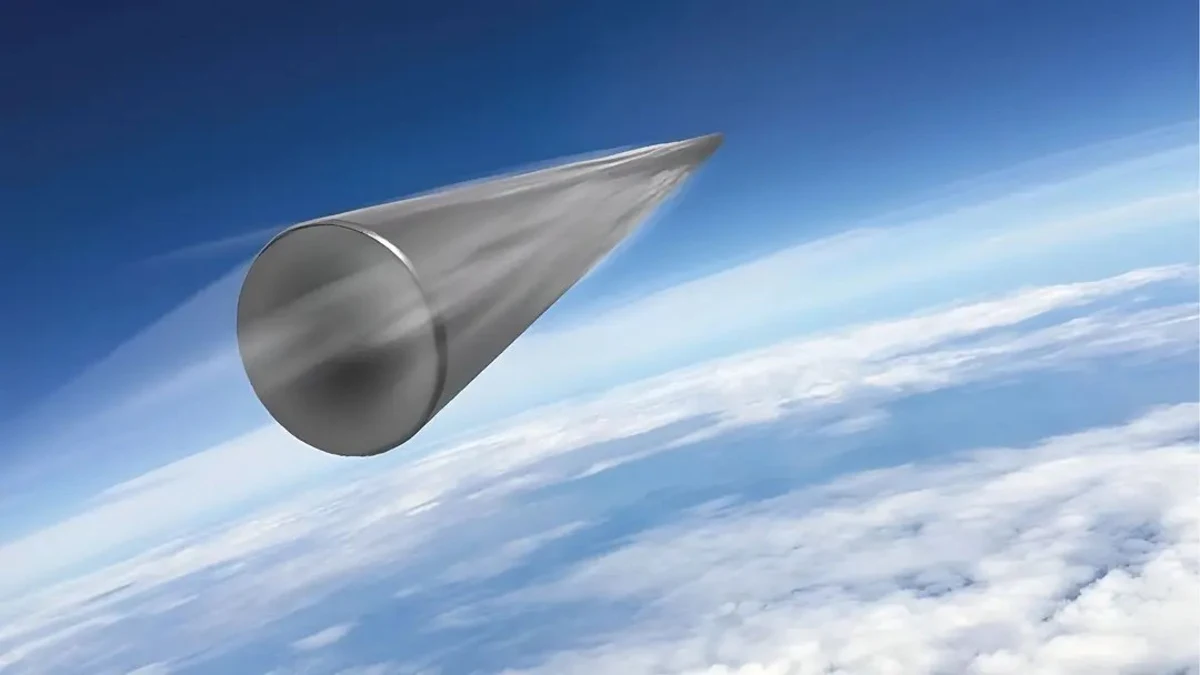
The US Air Force and Lockheed Martin have carried out a test flight of the Mk21A reentry vehicle designed for the new Sentinel nuclear missile.
The craft launched without a nuclear warhead from Vandenberg base in California and flew over the Pacific Ocean. Lockheed Martin said in a statement that the mission allowed teams to evaluate the technologies needed to transport and shield the payload that will replace the aging Minuteman III weapon system.
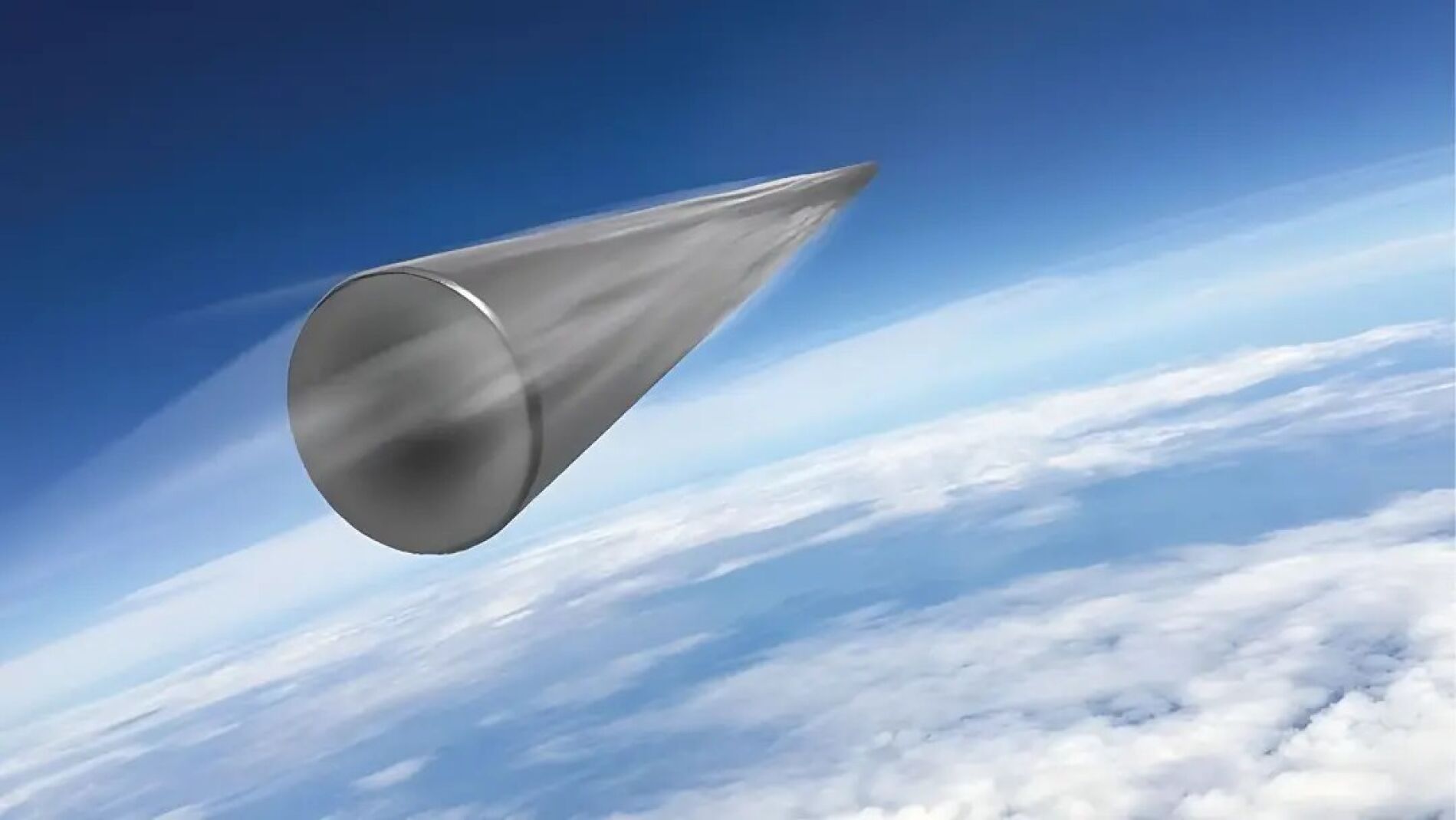
A reentry vehicle serves as the protective casing that carries a warhead through space and preserves it as it plunges back through Earth's atmosphere toward its destination. It sits at the tip of the intercontinental ballistic missile during launch and separates once the booster burns out. The shell must endure immense aerodynamic forces and friction while keeping the internal payload intact and fully operational.
Extreme heat and atmospheric reentry
As the vehicle re-enters the atmosphere, air compression ahead of the craft and aerodynamic friction generate extreme heat that reaches thousands of degrees. The onboard heat shield must prevent those temperatures from penetrating the warhead and sensitive electronics, while the structural frame absorbs intense mechanical pressures during flight.
Lockheed Martin is developing the Mk21A by modifying the earlier Mk21 design to accommodate the incoming W87-1 nuclear warhead. To verify that the structure can withstand atmospheric conditions, the defence contractor combines digital engineering and high-fidelity simulations with telemetry gathered during physical test flights.
The company said the data gathered from the Pacific test flight will be used to make design modifications and prepare for upcoming trials. These steps lead toward a critical design review scheduled for March 2027, when military officials will evaluate the technical maturity of the system.
Specifications of the Sentinel missile
The vehicle will ride into space aboard the LGM-35A Sentinel, a silo-based intercontinental ballistic missile currently under development by Northrop Grumman. The missile will feature three solid-fuel rocket stages and will achieve a top speed of approximately 24,140 kilometres per hour by the end of its boost phase.
The Sentinel will have an operational range exceeding 9,650 kilometres, giving it intercontinental reach from launch silos across the United States. Engineers have incorporated a modular architecture into the missile, allowing the military to integrate software updates and hardware components throughout its operational life.
Intercontinental ballistic missiles form a fundamental pillar of national deterrence strategies, designed to travel into suborbital space before releasing their payloads toward distant targets. The flight profiles demand propulsion systems capable of rapid acceleration and materials that resist atmospheric degradation.
Safety upgrades for the W87-1 warhead
The primary payload for the Mk21A will be the W87-1 thermonuclear warhead, which is designed to replace the decades-old W78 warhead in the American nuclear stockpile. Based on the earlier W87-0 design, the W87-1 incorporates modern components, updated safety systems, and conventional explosives that are far less prone to accidental detonation.
Because the weapon relies on previously tested nuclear physics packages and validated hardware, the United States will be able to certify the warhead without conducting underground nuclear explosive tests. According to the Lawrence Livermore National Laboratory, the first production unit of the W87-1 is slated for completion in fiscal year 2033.
The Air Force plans to deploy the Sentinel in stages. Initial deployments will pair the missile with existing W87-0 warheads inside older Mk21 reentry vehicles, replicating the setup currently used on parts of the Minuteman fleet. The newer combination of the Mk21A vehicle and the W87-1 warhead will join the inventory later in the production cycle.
Single and multiple warhead configurations
Official plans call for deploying each Sentinel missile with a single nuclear warhead, but independent analysts note that the booster may accommodate more. The Federation of American Scientists pointed out that statements from defence officials and conceptual design illustrations suggest the missile could carry multiple warheads.
Multiple independently targetable reentry vehicles allow a single missile booster to deploy several warheads across separate trajectories. While outside observers note the design potential for multiple payloads, the Air Force has not publicly confirmed the maximum number of reentry vehicles that a Sentinel missile could support.
Delays in replacing the Minuteman III
The Air Force currently expects the Sentinel to achieve initial operational capability in the early 2030s, with the first full flight test of the missile scheduled for 2027. However, the acquisition effort has experienced rising costs and scheduling setbacks, and ongoing program restructuring continues to complicate the transition from the legacy fleet.
The Sentinel is slated to replace the LGM-30G Minuteman III, a solid-fuel missile that first entered operational service in June 1970. Although the Minuteman III has received repeated refurbishments over the past half-century to extend its service life, military leaders have warned that the aging infrastructure requires replacement.
The United States maintains an active arsenal of 400 Minuteman III missiles dispersed in underground silos across the American West. These land-based systems constitute one leg of the strategic nuclear triad, providing round-the-clock readiness alongside nuclear-capable strategic bombers and ballistic missile submarines on patrol at sea.