A small turtle hatched through an artificial incubation program was released into a wetland near Perth, Australia, in July 2025, when it weighed just 4.77 grams. When researchers found the same animal again in October 2026, it weighed 100 grams, about 21 times heavier than when it was returned to the wild.
The discovery was made by April Sturm, a PhD student at Murdoch University, and researcher Anthony Santoro, during an annual survey of turtle populations in Perth. Sturm had cared for the hatchling during its first months of life, and the pair recognized it because it had come from one of the eggs they had incubated at the university's facilities.
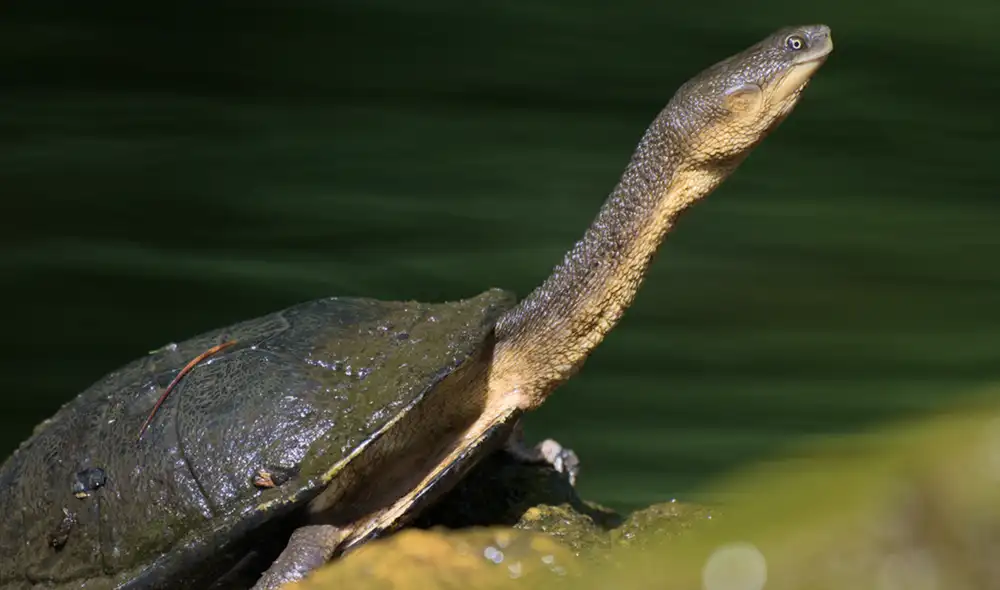
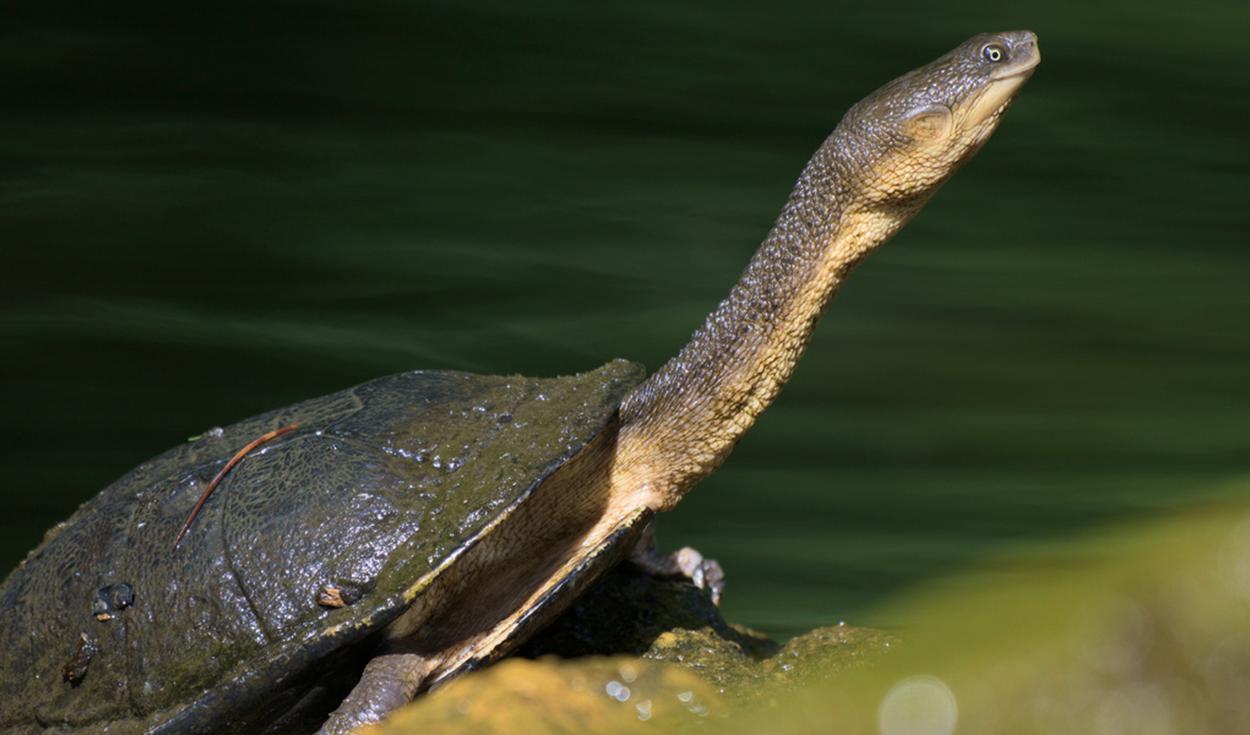
Murdoch University said the find is the first confirmed case of a southwestern snake-necked turtle, known scientifically as Chelodina oblonga, surviving for a prolonged period in the wild after hatching through artificial incubation. The species is native to the wetlands of southwestern Australia and is recognizable by its unusually long neck, which it folds sideways beneath the edge of its shell rather than pulling straight back, a trait shared by side-necked turtles more broadly.
Why Perth's turtles need help
The southwestern snake-necked turtle is not currently classified as a threatened species, but its numbers are falling, particularly in the wetlands around Perth, the capital of Western Australia. Researchers from Murdoch University surveyed 35 wetlands in the region and found very few juvenile turtles among the population.
The shortage of young turtles worries scientists because it puts the long-term survival of these populations at risk. Santoro also found an imbalance in the sex ratio of the turtles he studied, with males far outnumbering females.
Among the biggest threats to the turtles are foxes and crows, which destroy nests and eat the eggs before they can hatch. The loss of native vegetation around urban wetlands and shifting weather patterns across Western Australia are adding further strain. Researchers warned that without protective measures, some turtle populations could disappear from certain areas altogether.
Breeding turtles in captivity and tracking them in the wild
To tackle the decline, Santoro launched the Saving Our Snake-Necked Turtle project, an initiative that combines citizen participation with the breeding and release of turtles raised in captivity. Programs like it are a common conservation tool, since young turtles are typically most vulnerable to predators in the weeks after hatching, and raising them past that stage before release can improve their odds of survival.
Since the 2021-2022 season, Murdoch University has run an artificial incubation program in partnership with the City of Cockburn, a local government area in the Perth metropolitan region. Sturm was responsible for 61 hatchlings over five months. After eight months of care, the turtles were released into Bibra Lake, a site chosen because it offers protection from birds and a plentiful food supply.
The project also depends on volunteers known as Turtle Trackers, who patrol the wetlands during the breeding season to locate nesting turtles and shield their nests with mesh. In 2022, the volunteers protected around 280 nests across 12 wetlands.
What the October discovery means
The October finding gives researchers an important piece of evidence. Until then, they had not been able to confirm that a hatchling raised through artificial incubation could survive in the wild over an extended period.
Sturm said the next step would be to identify more of the released turtles during future population surveys. That, she said, would help determine whether the program is helping to rebuild turtle populations in Perth's wetlands.
What happens next
April Sturm said researchers plan to identify more released turtles during future population surveys to determine whether the program is helping rebuild turtle populations in Perth's wetlands.
Test yourself
How much did the turtle weigh when it was released in July 2025?
Who launched the Saving Our Snake-Necked Turtle project?
What is one of the main threats to turtle nests in Perth's wetlands?
Have your say
Should more conservation funding go toward captive breeding programs like this turtle project?
Where it happened
Perth, Australia