

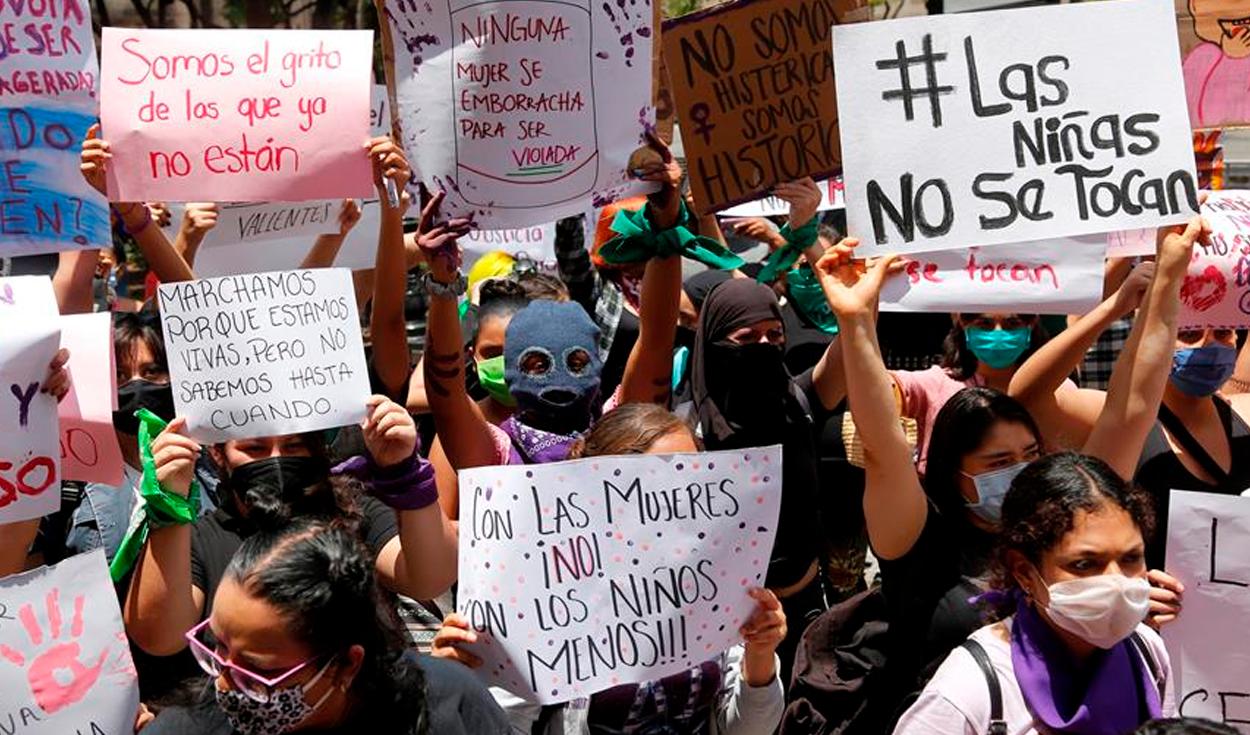
Cynthia Cienfuegos, a columnist for the Peruvian newspaper La República, used an opinion piece published on November 25 to argue that the fight against violence against women has wrongly been treated as a struggle that belongs to women alone, which she said has left them isolated in confronting it. She wrote that the effort must instead become a collective responsibility.
The date, known across Latin America as 25N, marks the United Nations' International Day for the Elimination of Violence against Women, observed every November 25. La República is one of Peru's leading daily newspapers, where Cienfuegos writes a regular opinion column.
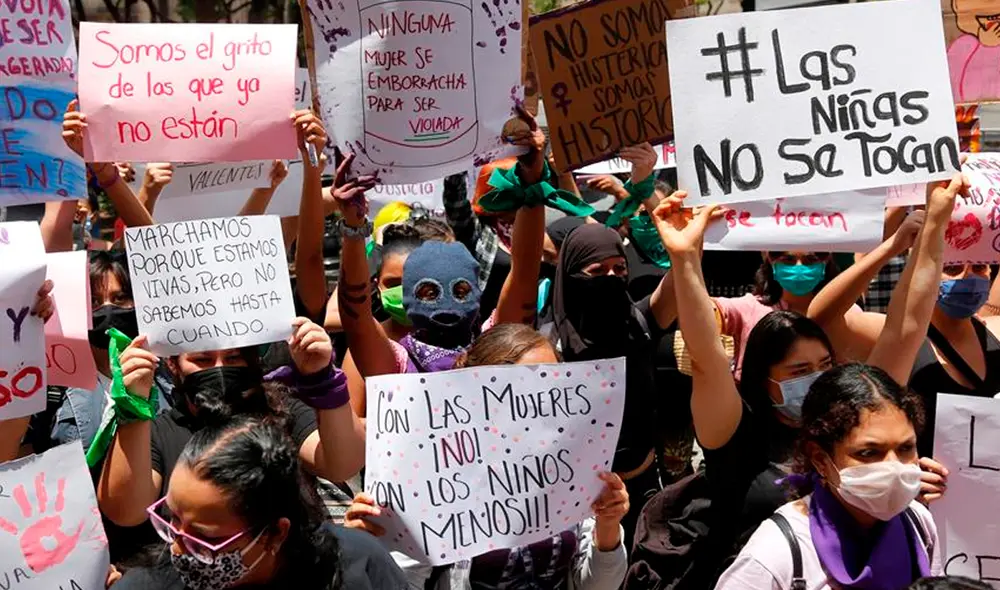
Cienfuegos wrote that tolerance of machismo remains a reality in Peru, where gender stereotypes are reproduced every day. She said the most serious problem is the difficulty in identifying those stereotypes, because they have been fully normalized by both individuals and institutions.
Gap Between Policy and Daily Life
Cienfuegos said a wide gap still separates existing public policy from the violence that women, girls and adolescents face in everyday practice. News reports of femicides, sexual violence, workplace harassment and physical aggression, she wrote, are the end result of forms of violence that first take hold in smaller, more private settings, the very spaces public policy has yet to reach.
To support that point, she cited the National Survey on Social Relations (Encuesta Nacional de Relaciones Sociales, ENARES), carried out in 2024, which found that 34.0% of Peruvian men over the age of 18 experienced interparental violence during childhood. In practice, Cienfuegos wrote, that means they grew up watching their mother or primary caregiver suffer physical, psychological or sexual violence at the hands of a partner.
From Punishment to Prevention
Cienfuegos argued that Peru has long been stuck in a culture of punishment, one that counts victims only after they have become part of national statistics. What is needed instead, she wrote, is to strengthen, and in some cases rework, measures aimed at prevention.
She said effective prevention requires targeted action, detailed knowledge of local territory, coordinated work across every level of government, and a set of measures covering the different stages of life of women, girls, boys and adolescents alike. Identifying the spaces where violence is most commonly exercised and reproduced, and where machismo is normalized, would help authorities design more relevant responses, she wrote.
Cienfuegos added that an intercultural, gender-based and intersectional approach is not, as critics sometimes claim, a demand invented by feminist organizations, but a necessary tool. Preventing and eradicating violence, she wrote, first requires understanding it.
Warning Over Rights Rollbacks
Marking 25N, Cienfuegos also warned of a series of setbacks affecting women's rights. She described the removal of a gender-based approach from public policy, the elimination of comprehensive sexual education and the rejection of inclusive language as changes driven more by a conservative ideological agenda than by any genuine need to guarantee fundamental rights or protect public health.
More From Cynthia Cienfuegos
La República published the column alongside a list of Cienfuegos's recent opinion pieces.
They included "Este no es un poema para Robert Prevost," published November 10, 2026, which looked at the social and political challenges, including corruption and ethnic discrimination, facing the country Pope Leo XIV was visiting.
Also listed was "La estigmatización de las protestas," published October 29, 2026, on how the word "protest" in Peru tends to provoke indifference and stigma toward people exercising their right to peaceful demonstration.
A further column, "Una democracia a 3400 m s.n.m.," from October 13, 2026, addressed criticism of voters in Cusco that Cienfuegos said mocks and dehumanizes them rather than encouraging healthy political debate.
The list also included "Show electoral," published October 6, 2026, in which Cienfuegos warned that authorities elected without preparation or knowledge of local realities risk leaving the public disappointed once again.
Test yourself
What survey did Cienfuegos cite in her column?
According to the survey she cited, what share of Peruvian men over 18 experienced interparental violence as children?
What does 25N, the day Cienfuegos's column marked, commemorate?
Where it happened
Lima, Peru


