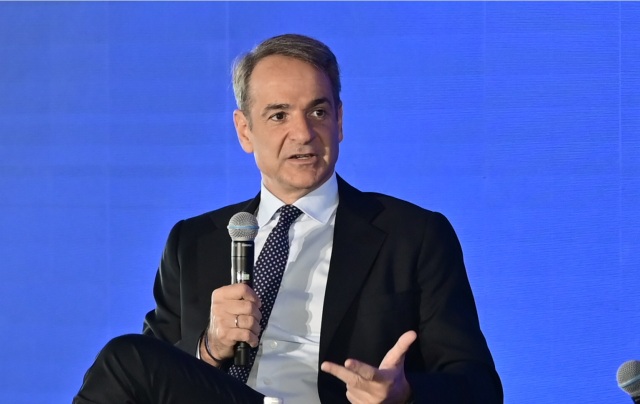
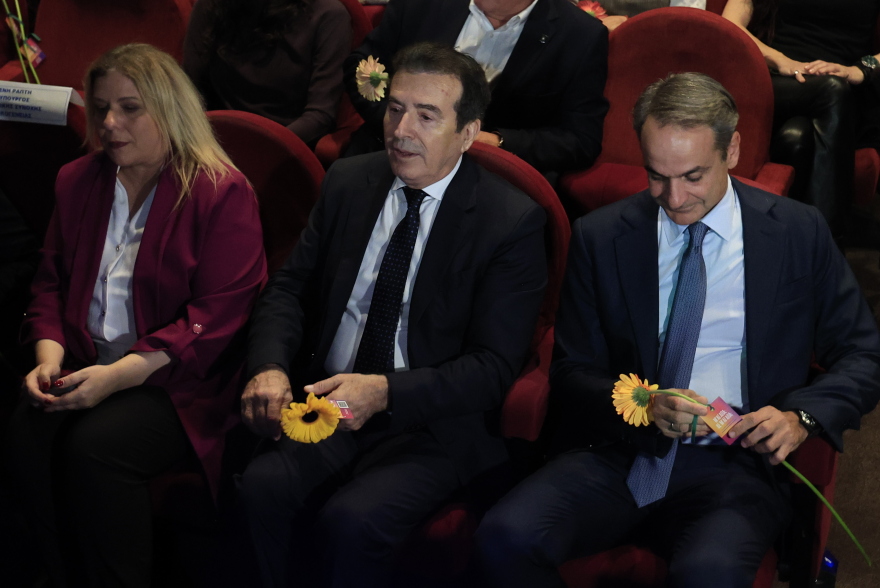
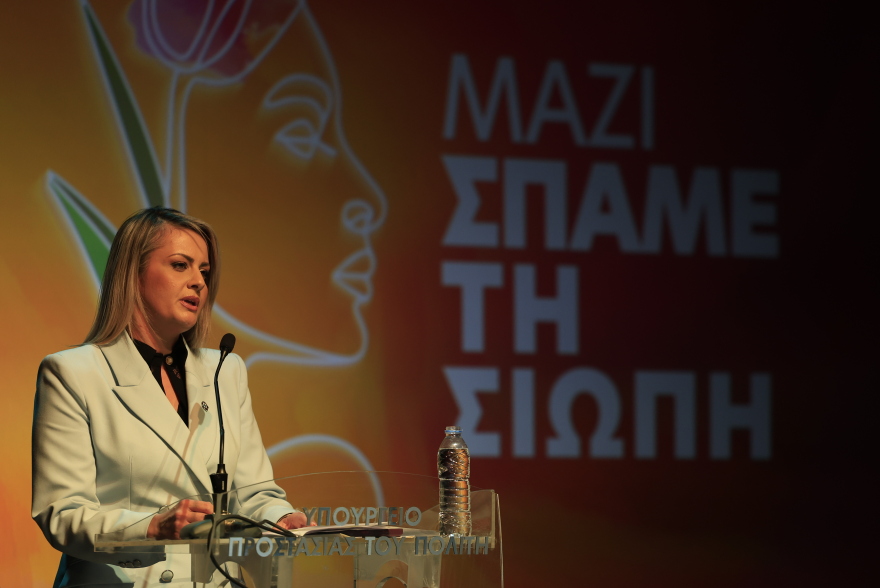
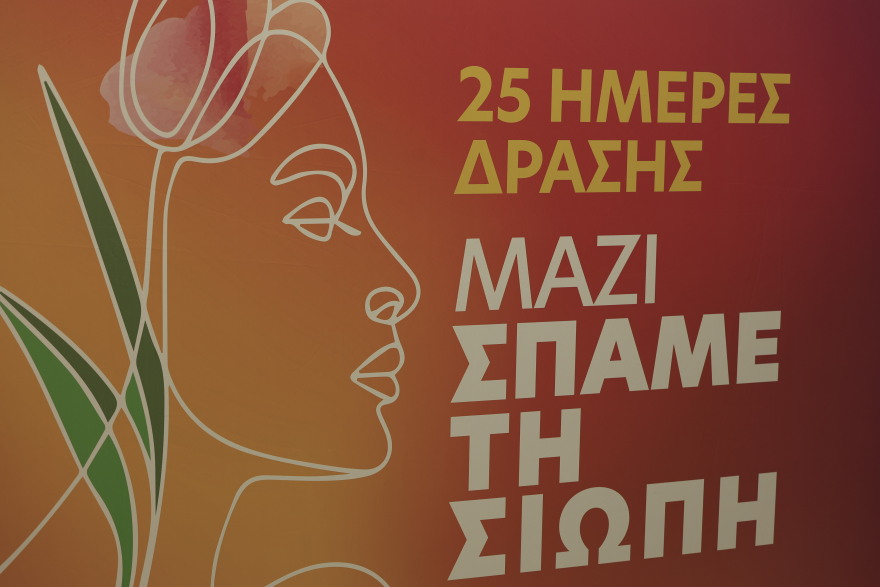
Greek Prime Minister Kyriakos Mitsotakis told women suffering domestic abuse that they are not alone, speaking at an event called "Together We Break the Silence" held ahead of the International Day for the Elimination of Violence against Women.
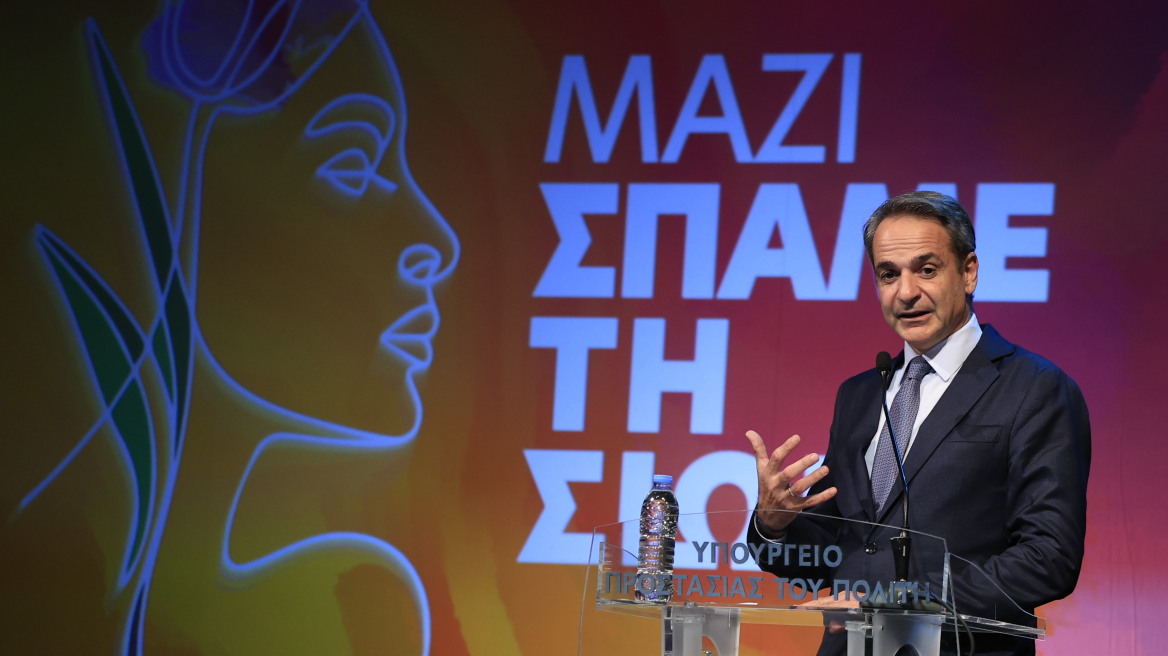
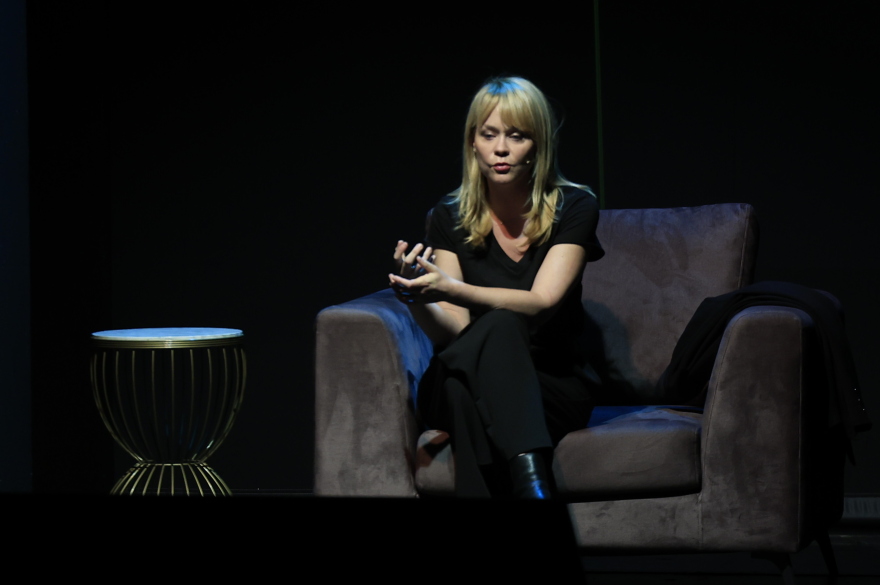
Mitsotakis said he had prepared brief remarks but felt he had little left to add after what he called a moving, even shocking, theatrical performance staged at the start of the event. He congratulated Chrysochoidis and Deputy Minister Maria Syregkela for recognising that art can often say what politicians struggle to express.
He said the event's purpose was to tell every woman at risk that she is not alone, but stressed that to avoid being alone, she must take the first step and break her silence, so she knows there are people who will listen to her, care for her and help her rebuild her life.
He pointed to the SOS helpline, 15900, which women suffering violence can call, and urged more women to use the Panic Button, a tool that allows for immediate alerts and protection in dangerous situations.
"We must be the first to recognise that what we have done is not enough," he said, adding that despite measures already taken, much greater effort is still required to tackle the problem effectively.
Praise for Chrysochoidis over Griva case
Mitsotakis singled out Chrysochoidis for praise, commending him for having the courage to speak about the case of Kyriaki Griva and the tragic mistakes made by police in handling it.
He said her case proved that even well-designed systems can fail to work as intended and can lead to tragic incidents, adding that the authorities must keep becoming better, improve and learn, possibly even from their own tragic mistakes.
He said domestic violence is not solely a matter for the state and police but concerns the whole of society, saying he firmly believes that in every case there are others who know what is happening. Breaking the silence, he added, is not the responsibility of the abused woman alone but also of the people around her, who must recognise the warning signs and not remain uninvolved.
Role of police offices and schools
Mitsotakis said every case handled by the domestic violence offices is unique, and every woman who turns to the services should feel she has someone beside her who will listen, support and help her.
He stressed the role of education, saying the effort to tackle violence begins in schools, since a history of abuse can lie behind every abuser, making early intervention and a different culture among younger generations necessary.
On gender equality, he said Greece ranked near the bottom of the relevant European index in 2019 but has since risen to 16th place.
Chrysochoidis cites case of Maria and the Griva killing
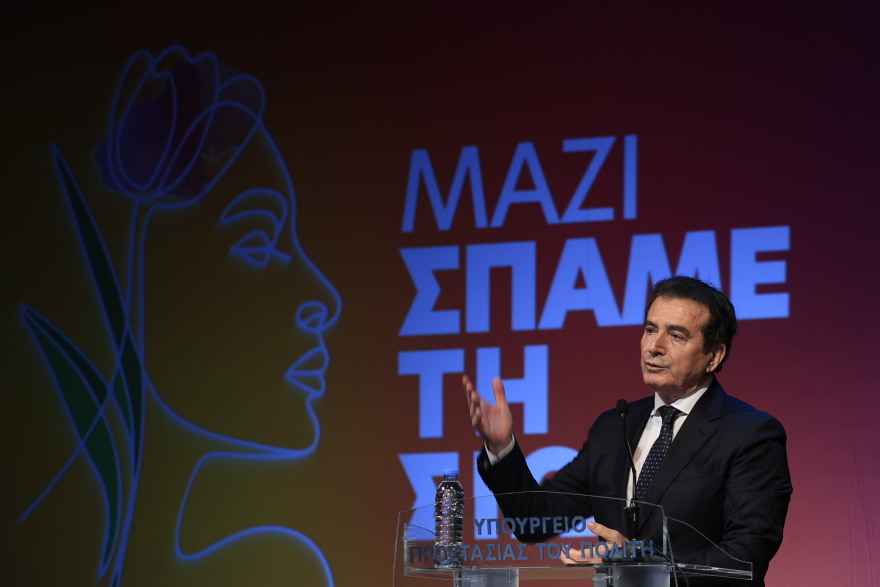
Chrysochoidis, the Citizen Protection Minister, spoke of the need for abused women to find the strength to speak out, and of the responsibility of the state and police to protect them.
He recounted the story of a woman he called Maria, who lived in an abusive environment and is now safe with her children. He said the silence in Maria's case was broken by two people: the woman herself, who found the strength to speak, and the police officer who listened to her account.
Chrysochoidis also referred to the killing of Kyriaki Griva outside the Agioi Anargyroi police station, a case that shocked public opinion and exposed, tragically, failures by the authorities responsible.
Kyriaki Griva did what is asked of every woman, and the authorities should have protected her, Chrysochoidis said, acknowledging that police had failed to protect the young woman.
New offices and electronic monitoring plans
Chrysochoidis outlined measures taken to tackle domestic violence, including three new offices the Hellenic Police is opening in the Attica region, and plans for electronic monitoring.
He closed his speech by referring to the case of Gisele Pelicot in France, who asked for the trial of her rapists to be held in public. Responsibility for violence belongs entirely to the person who commits it, not the person who experiences it, Chrysochoidis said.
Seven years of measures against gender violence
The event also presented the results of actions taken over the past seven years to prevent and tackle gender-based violence. These include the creation of 63 specialised domestic violence offices across the country, with three more due to open this week, and the Panic Button app, now used by nearly 12,000 women.
More than 21,000 police officers have received specialised training, alongside awareness campaigns in schools, social services and public spaces encouraging victims to seek help.
The measures also include 20 safe shelters, which this year alone have provided housing and psychological support to more than 400 women and children, and 47 counselling centres offering psychological support, legal aid and employment advice to more than 9,000 people over the past two years.
Home protection measures have been applied in more than 1,800 cases, while the 24-hour helpline 15900 received 8,340 calls in the first ten months of this year. More than 11,170 arrests have been made this year.
Wider policies on gender equality
In his full remarks, Mitsotakis said the government had created 270,000 new jobs for women, alongside raising the birth allowance and maternity leave, introducing free preventive screenings, and recently cutting VAT on period products.
He also quoted the opening lines of Leo Tolstoy's novel Anna Karenina, which states that happy families are alike but every unhappy family is unhappy in its own way, saying every case that reaches a domestic violence office is unique and deserves to be heard and understood.
What happens next
Three more domestic violence offices run by the Hellenic Police are due to open in Attica this week.
Test yourself
What helpline did Mitsotakis highlight for women experiencing abuse?
Where was Kyriaki Griva killed, according to Chrysochoidis?
Where does Greece now rank on the European gender equality index, according to Mitsotakis?
Where it happened
Athens, Greece