

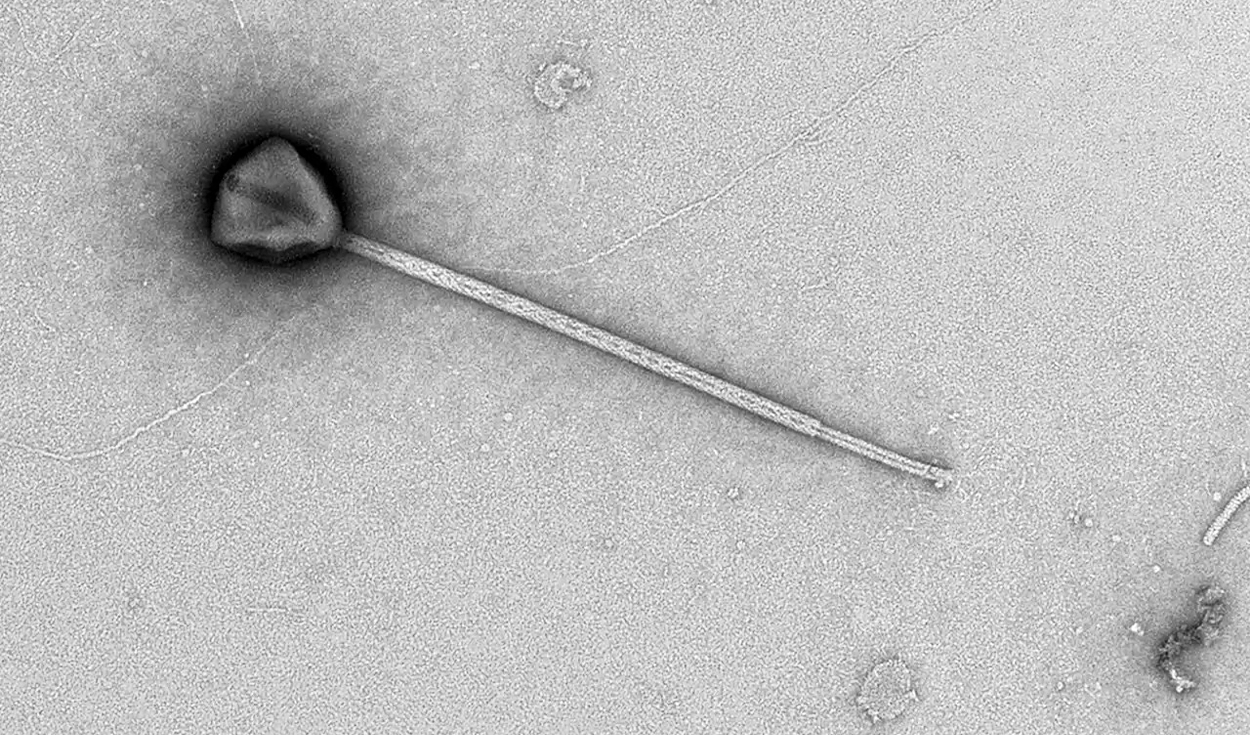
Researchers have discovered PelV-1, a giant marine virus with an extraordinary tail 11 times longer than its body, in the sunlit waters of the North Pacific Ocean. The viral particle was isolated from a seawater sample collected at a depth of 25 meters at Station ALOHA, located within the North Pacific Subtropical Gyre.
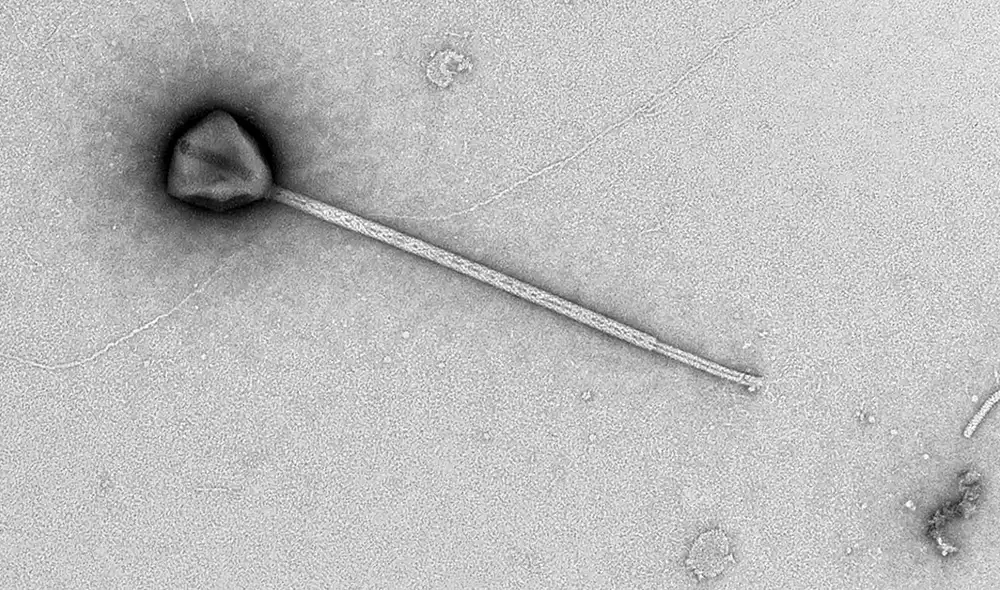
The virus targets Pelagodinium, a genus of microscopic dinoflagellates that belong to marine phytoplankton. According to a study published on the bioRxiv preprint server and available on PubMed Central, PelV-1 possesses the longest appendage ever described in this class of viral agents.
Phytoplankton are microscopic photosynthetic organisms that float in upper ocean waters, producing much of the planet's oxygen and forming the base of marine food webs. Station ALOHA is an oceanographic research station situated north of Hawaii in the North Pacific Subtropical Gyre, an oceanic region known for low nutrient concentrations.
Genomic structure and microscopic anatomy
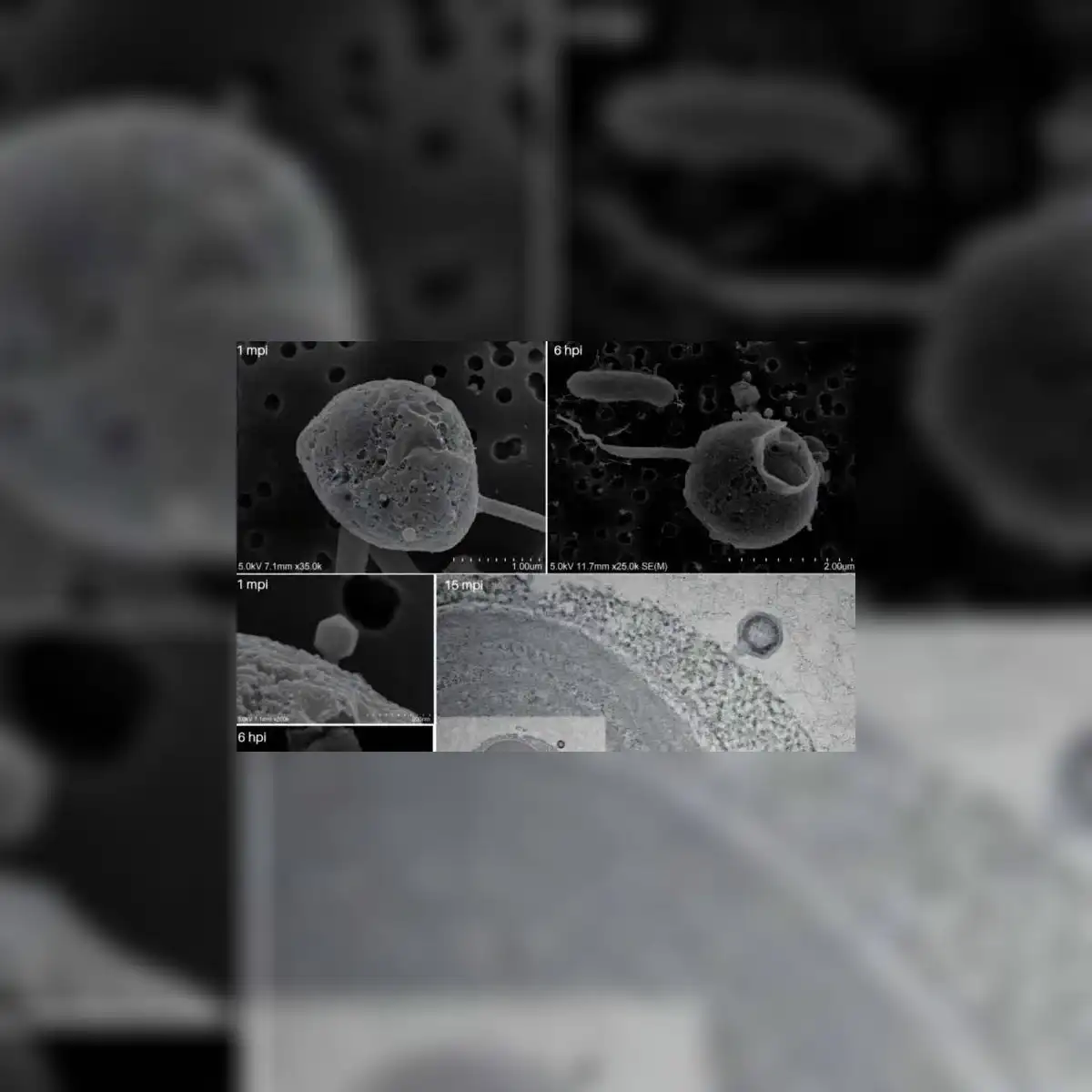
High-resolution imaging and genetic analyses shared by National Geographic revealed the unusual structure of PelV-1. After cultivating both the virus and its microscopic host in laboratory conditions, the research team used electron microscopy to trace the distinct stages of infection.
Microscopic measurements revealed that the viral capsid, the outer shell containing its genomic material, measures approximately 200 nanometers in diameter. Extending from one end of the core is a thin tail measuring 30 nanometers in width and reaching up to 2.3 micrometers in length, which is more than 11 times the diameter of the viral core.
On the opposite side of the capsid, researchers identified a thicker protrusion connected to a star-shaped opening. Scientists presume that the virus uses this star-shaped aperture to inject its genetic material into target host cells.
Genetic analysis revealed that the PelV-1 genome integrates nearly 459,000 base pairs. The genome contains 467 potential protein-coding genes and nine transfer RNA genes, with sequences linked to cellular metabolic processes and light capture.
The study authors noted that giant viruses may influence not only host cell metabolism, but also host behavior. The findings were released in a preprint paper that has not yet undergone formal peer review.
Host attachment and ecological role
Photographic evidence captured during early infection shows the elongated appendage attached to the Pelagodinium cell. Analysts estimate that the extremity serves a binding function, expanding the operational surface area of PelV-1 to make it easier to find host cells in the nutrient-scarce open ocean.
Researchers stated that PelV-1 has not been demonstrated to act like a harpoon or to inject its genome directly through the tail extension, as occurs in certain bacteriophages.
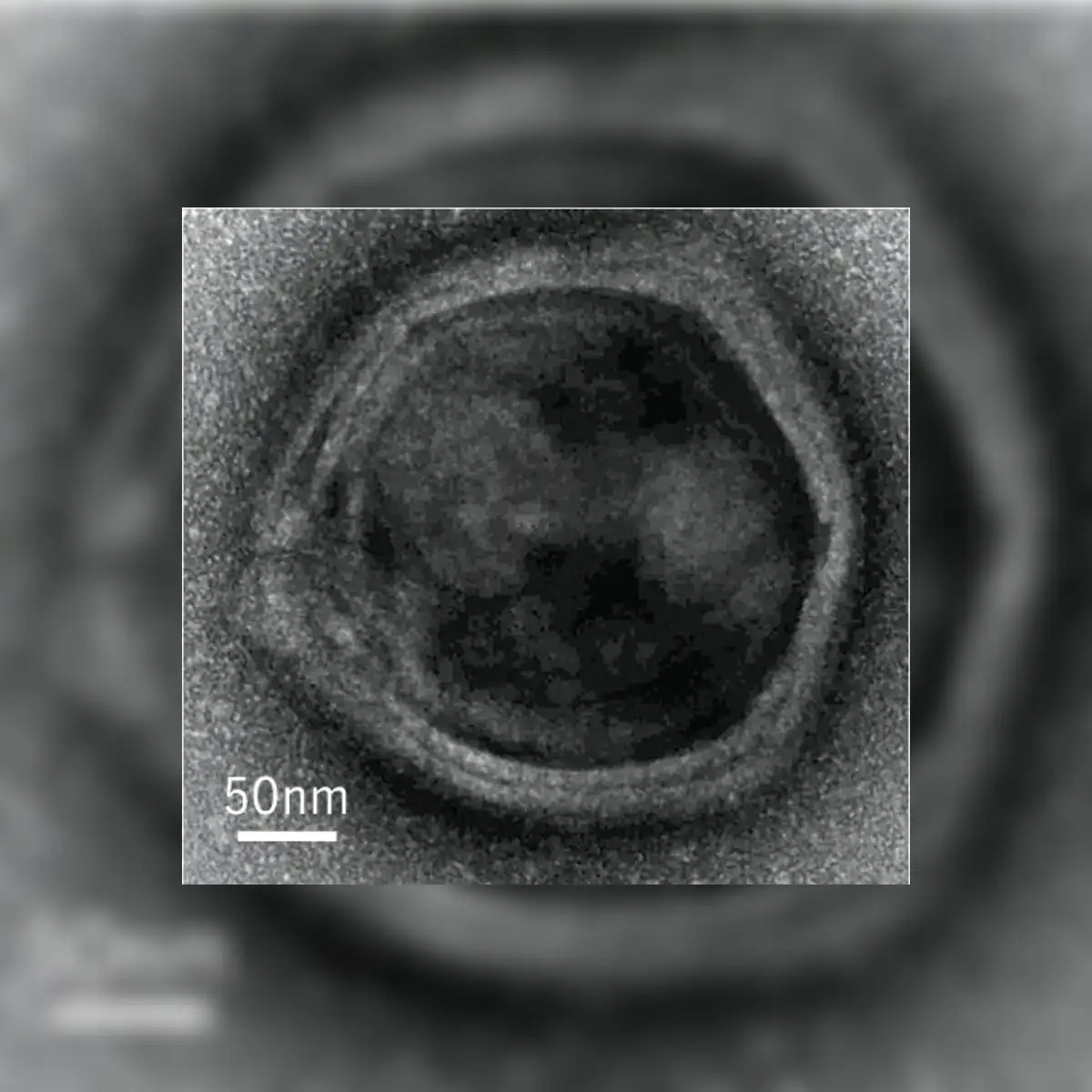
An additional clue emerged when scientists examined new viral specimens formed inside infected phytoplankton cells. These newly formed particles lacked the tail extension, suggesting that the appendage couples to the virus after it exits the host cell. Researchers emphasized that this process remains under evaluation and requires further experiments.
The virus poses no threat to human health, land animals, or vegetation, as it exclusively targets marine microorganisms. Phytoplankton viruses are a natural component of oceanic ecosystems, participating in microscopic population control, nutrient recycling, and carbon movement. Studying PelV-1 will help scientists understand how these dynamics alter marine food webs and biogeochemical flows.


