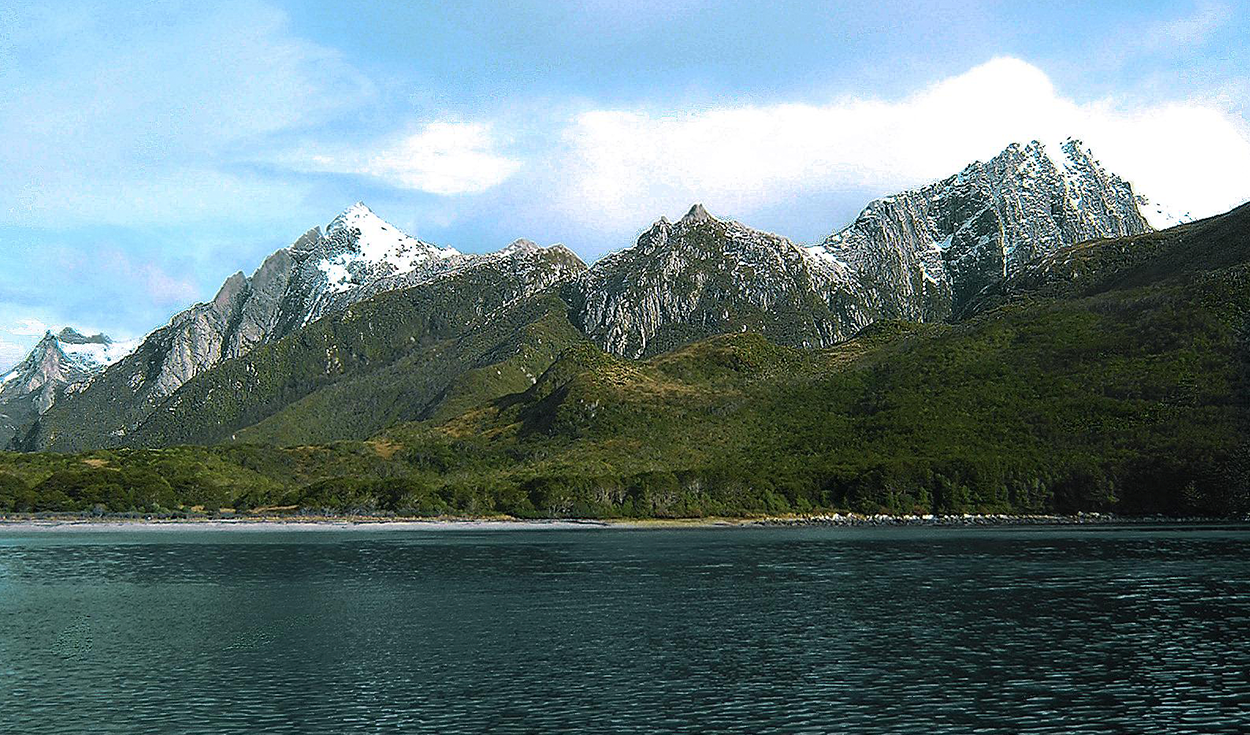
Archaeologists have discovered the remains of a nineteenth-century shipwreck camp on Isla de los Estados off the coast of Tierra del Fuego in Argentina. The finding, made in January of this year, may be connected to the 1873 loss of the schooner Espora and the survival of legendary Argentine mariner Luis Piedra Buena and his crew.
Details of the fieldwork were published in the scientific journal Antiquity. The investigation documented freshly recorded fragments of a wooden vessel alongside an assortment of everyday artifacts, though researchers have not yet confirmed their exact origin.
Isla de los Estados sits across the turbulent Le Maire Strait at the eastern tip of Tierra del Fuego in the South Atlantic Ocean. The mountainous island is known for persistent storms, dense sub-Antarctic forests, and treacherous rocky shores that have claimed dozens of passing ships over centuries of navigation around Cape Horn.
Expedition to Franklin Bay
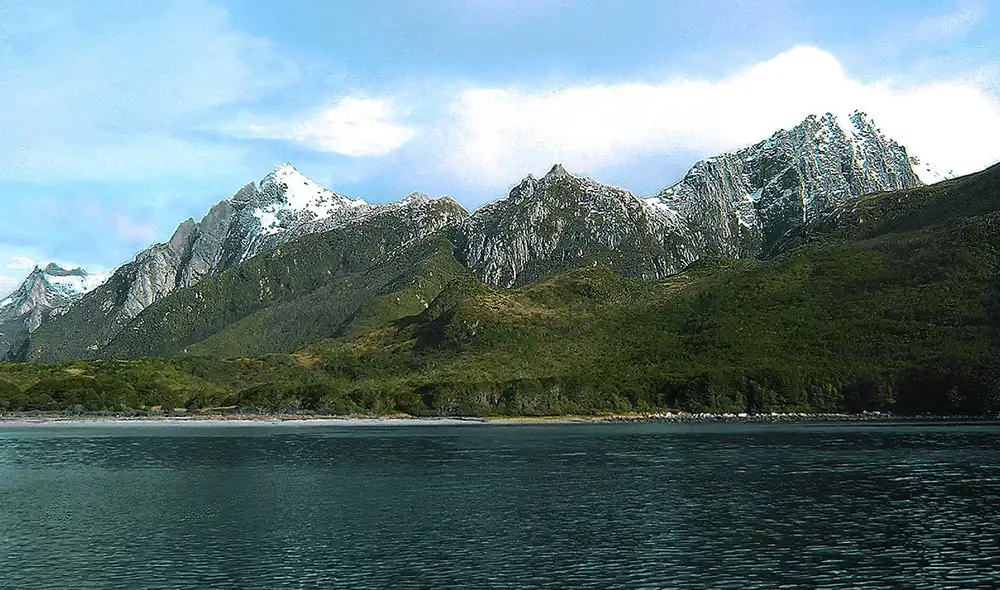
The discovery took place during an archaeological expedition called Here Be Dragons, organized to examine the maritime heritage of Isla de los Estados.
The research team spent ten days on the island, but harsh weather and rugged terrain restricted their field investigations in Lacroix Cove, located inside Franklin Bay, to just two days.
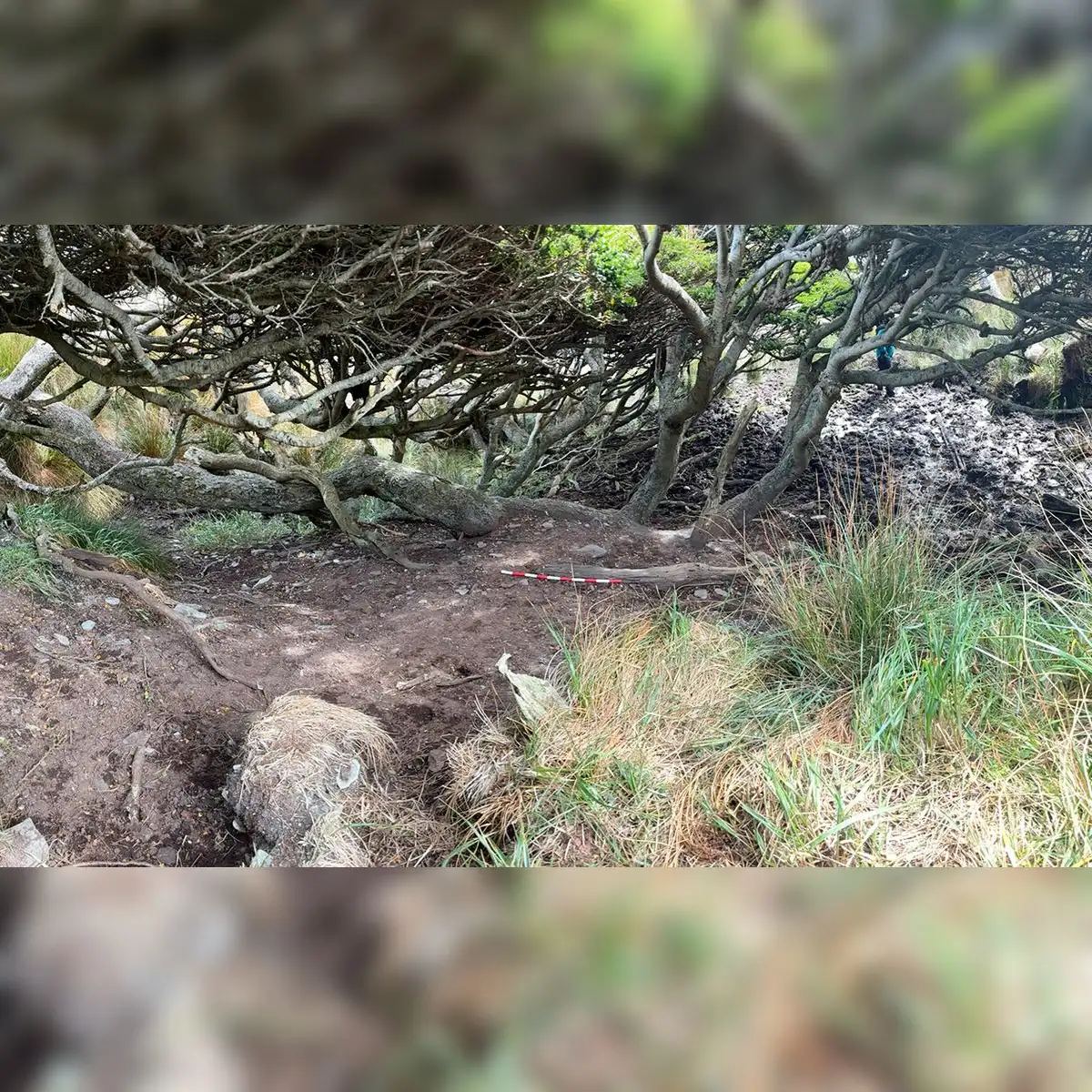
At the foot of a steep hillside next to a freshwater stream, the researchers identified the survivor campsite, catalogued as site BF008.
Artifacts recovered from the campsite
Across the ground surface, the archaeologists uncovered domestic items that revealed how the stranded occupants managed their daily lives. The team found glass beads, a glass bottle, sheets of metal, and four ceramic buttons pierced with sewing holes.
Two specialized nautical artifacts reinforced the conclusion that the site belonged to shipwreck survivors. The team recovered the remains of a deck prism, a thick glass fixture set flush into a ship's wooden deck to funnel natural daylight into dark compartments below without using open flames, as well as an iron rudder hinge.
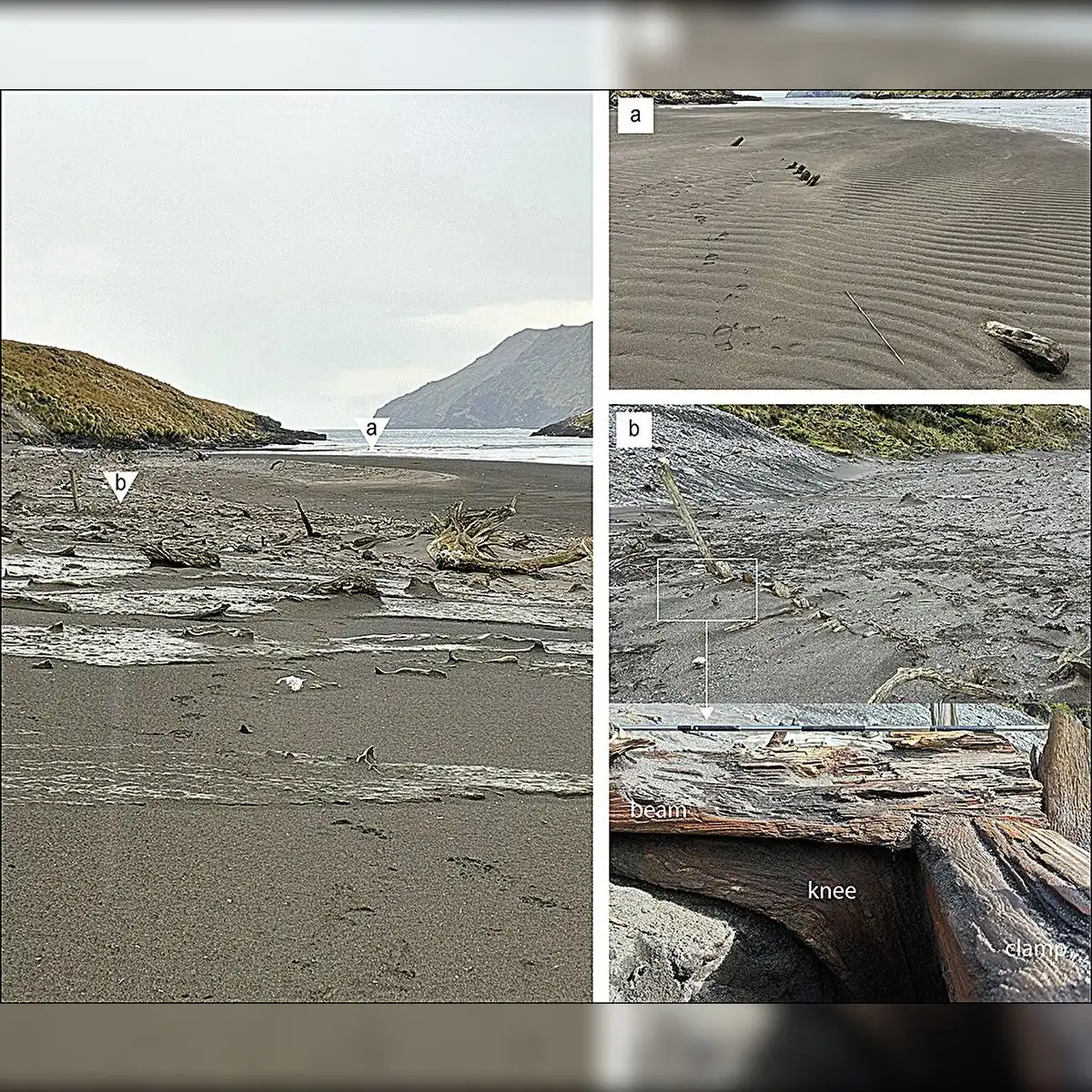
The researchers also re-examined two wooden hull fragments previously identified by earlier surveys in the cove. During their own search, they discovered a third, smaller hull segment along the northern section of the inlet.
The wooden hull structures, recorded as sites BF010 and BF005, preserve parts of a vessel's deck frame, including a deck clamp, a supporting beam, and a reinforcing knee.
The 1873 wreck of the schooner Espora
The leading hypothesis links the campsite to Luis Piedra Buena, a renowned nineteenth-century Argentine mariner and naval officer who received Isla de los Estados from national authorities at the start of the 1870s.
In 1873, Piedra Buena sailed to the island with his crew on an expedition to harvest penguins and produce oil. During the nineteenth century, seal and penguin oil was rendered down for industrial machinery lubricants and domestic fuel.
During the voyage, his schooner, the Espora, was wrecked along the island's rocky coast. The mariners found themselves stranded in the sub-Antarctic wilderness for more than two months before they could make their way to the port of Punta Arenas.
To survive, the crew salvaged provisions and materials from the sunken vessel. The men then constructed a smaller wooden boat, which they named Luisito, and successfully sailed it across open waters to safety.
Historical accounts and survivor evidence
Nicolas Ciarlo, lead author of the study and an archaeologist at the University of Cádiz in Spain, explained that Piedra Buena and his crew were shipwrecked on the island for more than two months before they were able to return to Punta Arenas.
Piedra Buena's own historical accounts place the sinking of the Espora inside Franklin Bay, strengthening the possibility that the archaeological site corresponds to the camp built by his stranded crew.
Ciarlo emphasized the importance of examining such sites, noting that while historical archives preserve numerous accounts of shipwrecks, far fewer documents describe the daily existence of the people who survived them.
He observed that being present in such an isolated, wild landscape allowed the archaeologists to experience what a small group of castaways saw and felt roughly 150 years ago.
Timber analysis and future research
Despite the supporting evidence, key questions remain unresolved before the camp can be formally tied to the 1873 expedition.
Historical accounts disagree on how extensively the sailors dismantled the Espora after the shipwreck. The hull timbers documented in the cove do not fully match records of a ship dismantled for building materials, and researchers have not yet found the shipyard where the crew built the Luisito.
To answer these questions, researchers plan to analyze the recovered wood timbers in the laboratory to determine whether they came from one or more vessels, and to verify whether a material link to Piedra Buena exists.
The archaeological team stated that much work remains to be done at both the camp and the vessel wreckage. Future scientific analysis could provide fresh answers about a survival ordeal that has remained tied for more than a century to one of the most inhospitable corners of Tierra del Fuego.