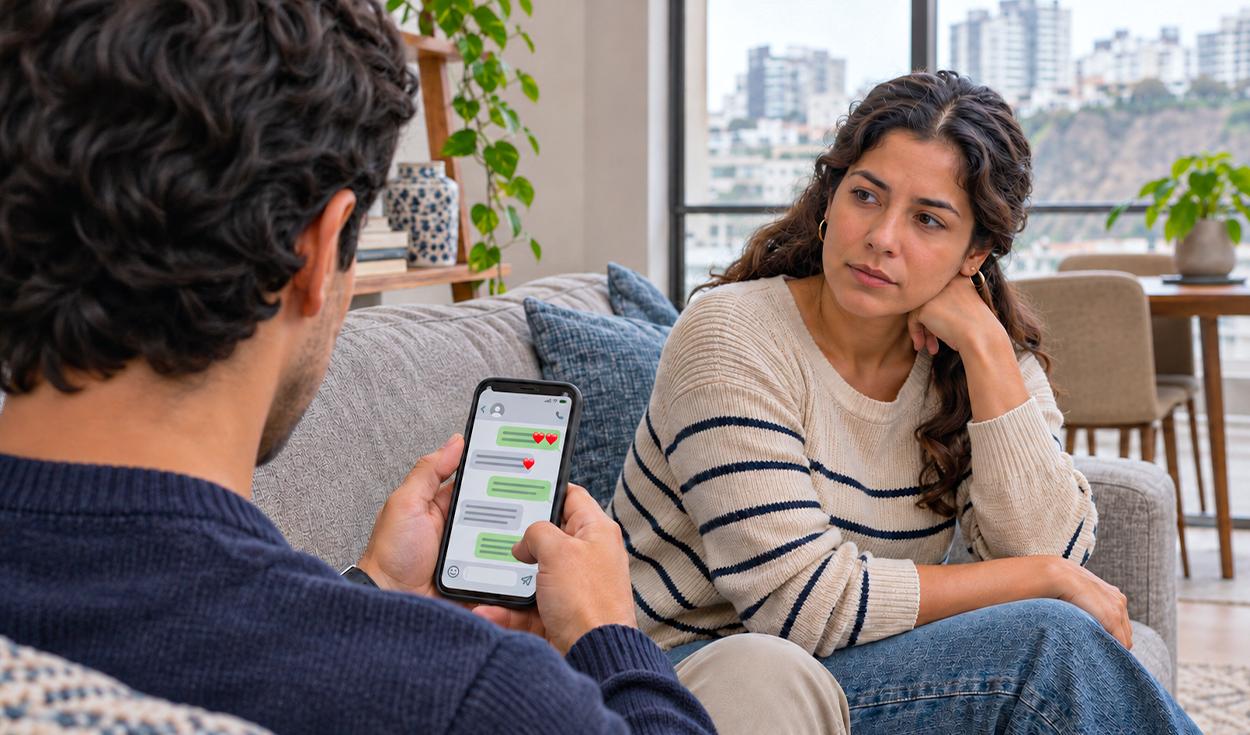
Smartphones are not actually among the most dangerous sources of bacteria, despite a widespread belief that they are, German technology outlet Chip has reported.
Chip cited Markus Egert, a professor of microbiology and hygiene at Furtwangen University in Germany, who said touchscreens do not create favorable conditions for microorganisms to multiply.

According to Egert, a smartphone display is smooth, dry and contains few nutrients that bacteria need to survive. He added that owners also unknowingly clean their phones simply by wiping them against clothing throughout the day.
Most bacteria come from the owner's own hands
Egert said the bulk of the bacteria found on a smartphone come from the owner's own hands. A personally used device usually poses no serious health risk as long as basic hygiene rules are followed, he said.
He noted an exception, however: devices shared among several people, such as tablets used in public institutions, can carry more risk than a personal phone.
Kitchens riskier than bathrooms
Egert said using a smartphone in the kitchen can be more hazardous than using one in a home toilet. He pointed to preparing raw chicken as an example, explaining that pathogens causing food poisoning can transfer onto the device's surface during cooking.
The microbiologist cited colleagues who found that simply wiping a screen with a microfiber cloth removes 80 to 90 percent of microorganisms present. Because of this, he said there is no need to regularly disinfect a smartphone in everyday household use.
Egert's hygiene advice
Egert recommended washing hands often and periodically wiping a smartphone's body and screen with a slightly damp cloth. He said owners should pay particular attention to cleaning their devices after cooking and after visiting medical facilities.
Separate report on touchscreen faults
In early November, technology outlet Engadget reported that a smartphone screen can stop responding to touch because of a malfunction or physical damage. The report noted that a software glitch can also cause a display to fail, and that restarting the device sometimes resolves the issue.
Test yourself
Who is the microbiologist cited in the Chip report?
Why does a smartphone touchscreen resist bacteria, according to Egert?
How much bacteria does wiping a screen with a microfiber cloth remove?
Have your say
How often do you clean your smartphone screen?
Where it happened
Furtwangen, Germany