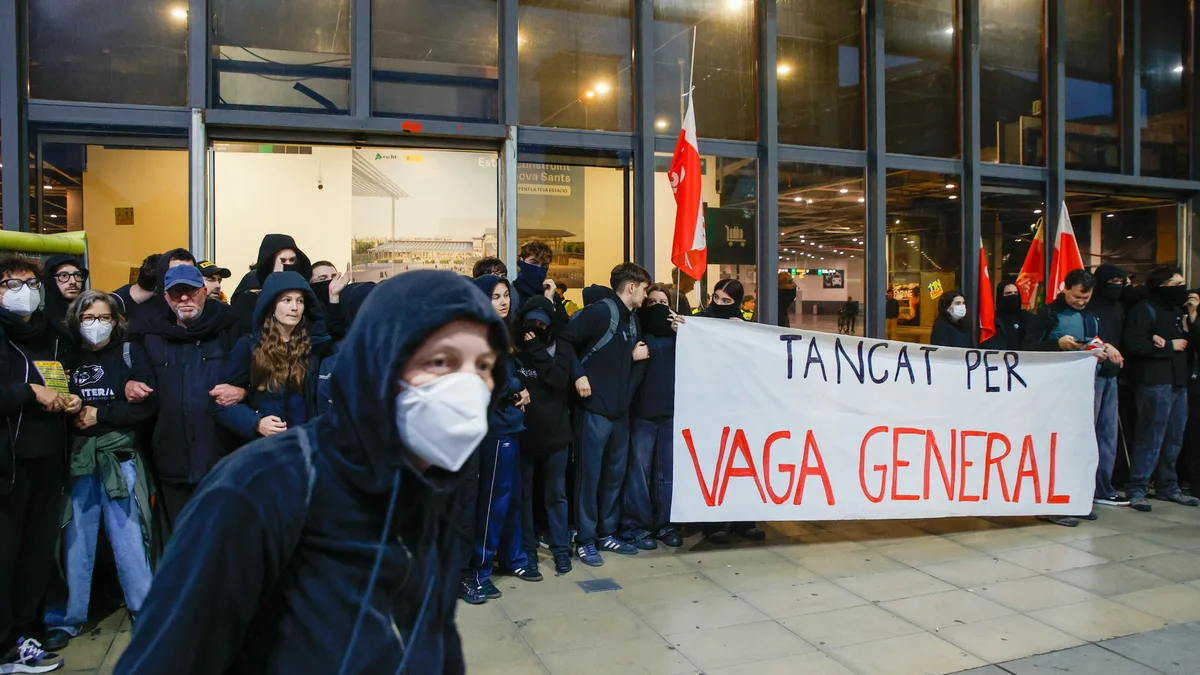
Spanish trade unions held a nationwide strike ahead of the 29 November general election, drawing sharply conflicting assessments from labor leaders and political commentators over worker participation.
While trade union leaders said the stoppage exceeded their expectations, political commentator Jesus Rivases reported that everyday business carried on largely uninterrupted across the country.
The industrial action was called jointly by Spain's two largest trade union confederations, Comisiones Obreras and the Union General de Trabajadores. The stoppage took place during an active parliamentary election campaign, with Prime Minister Pedro Sanchez seeking voter support ahead of the national ballot scheduled for 29 November.
Union Claims and Workplace Disruptions
Unai Sordo, the general secretary of Comisiones Obreras, and Pepe Alvarez, the leader of the Union General de Trabajadores, maintained that they were very satisfied with the outcome of the strike. Sordo acknowledged that the action had seen uneven participation across different sectors, describing the overall impact of the stoppage as asymmetrical.
In a published column reviewing the day, Rivases contested those claims, writing that the action never reached the scale of a true general strike. He noted that routine activity across Spain was not halted and argued that events in the streets did not warrant the special programming broadcast every few minutes by radio network Cadena SER.
The column stated that tangible disruption was largely limited to selected companies and districts in Catalonia, along with several industrial manufacturing plants. Rivases reported that those local walkouts relied heavily on the active presence of information pickets, known in Spanish labor terminology as piquetes informativos, who assembled outside work sites to discourage non-striking employees from entering.
Street Protests and the Maricarmen Eviction
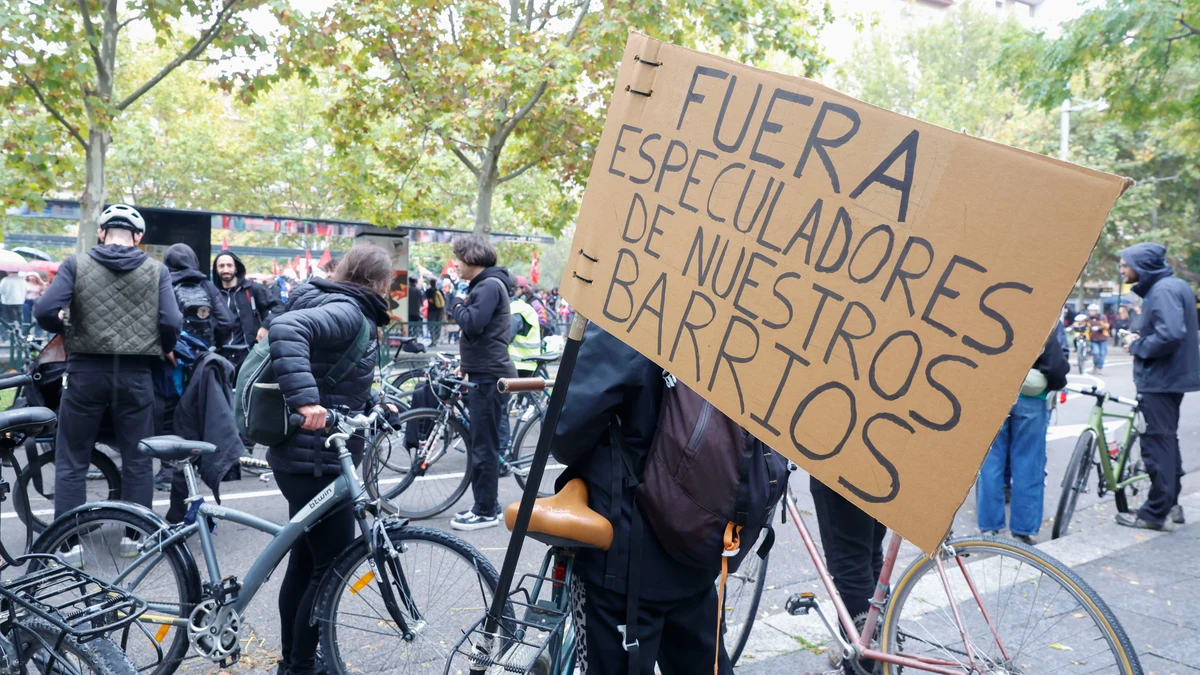
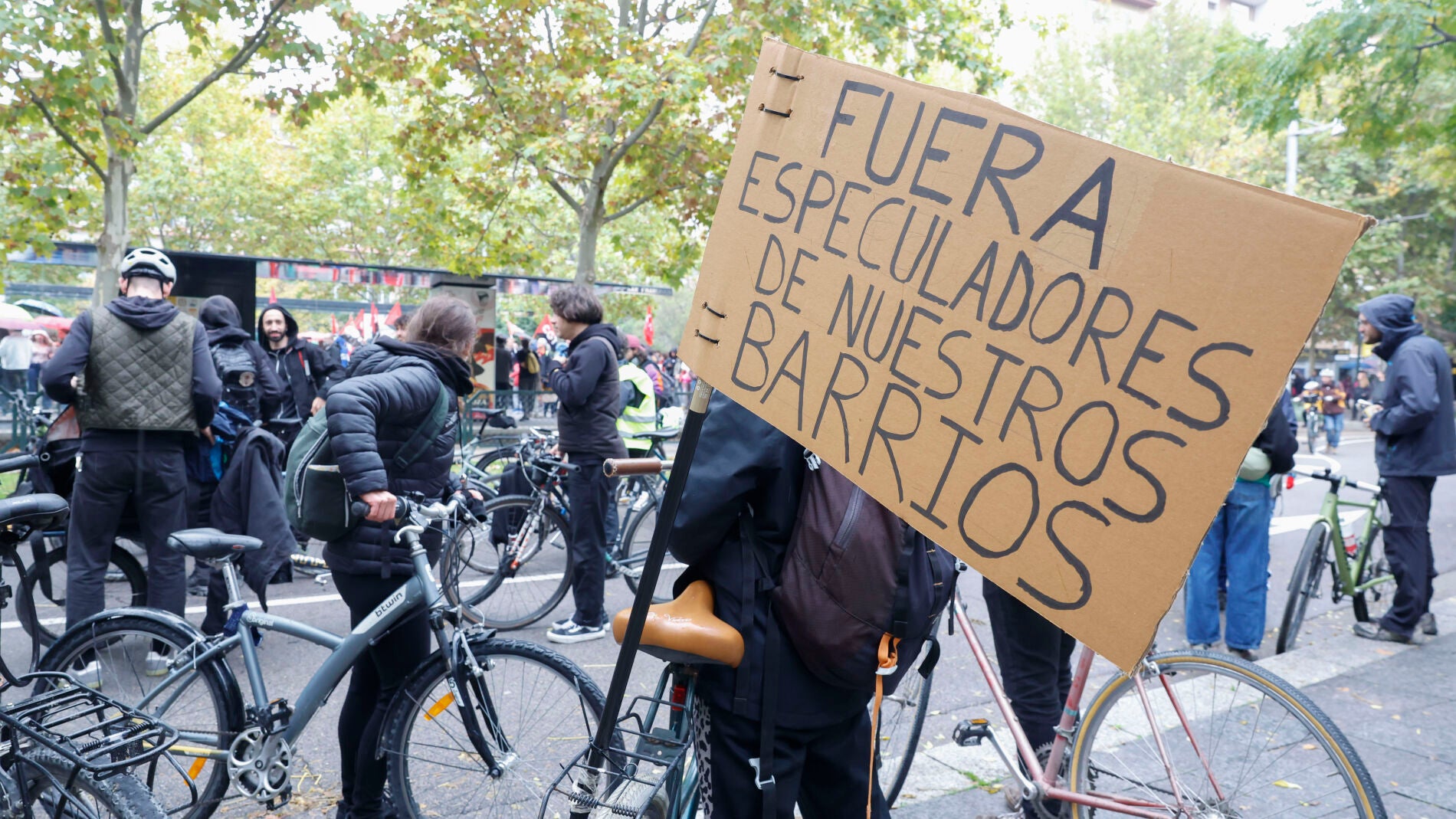
Turnout at outdoor demonstrations faced difficult conditions throughout the day as marchers contended with adverse weather. While labor organizers regarded the public gatherings as an integral part of their planned schedule, crowd sizes were dampened by rain and poor weather across several cities.
The call for industrial action originally gained traction following the eviction of a woman named Maricarmen. Evictions and mortgage repossessions have long served as prominent focal points for social movements and trade unions in Spain, where housing rights groups have frequently mobilized against court-ordered removals.
Rivases noted, however, that the initial human cause appeared to have receded during the strike. On the day of the walkout, the columnist observed, not a single flower had been left outside the door of Maricarmen's former residence in her memory.
Government Strategy Ahead of the 29N Vote
The strike sparked debate across the political spectrum because of its unusual timing and political alignment. Rivases characterized the event as unprecedented, describing it as a general strike aimed against the parliamentary opposition rather than the sitting executive.
Sanchez and his governing team had endorsed the mobilization and cleared their official agendas for the day. Government ministers did not formally join the strike themselves, a posture that drew criticism from political commentators who interpreted the move as an effort to mobilize left-wing voters for the upcoming ballot.
Rivases argued that the administration suffered a political setback by aligning itself with an action that failed to paralyze national economic activity. Referring to Winston Churchill's famous remark that success involves moving from failure to failure without losing enthusiasm, the columnist suggested that the government was pressing ahead despite the difficulties.
The Road to the 29 November Election
Both Comisiones Obreras and the Union General de Trabajadores now face the task of assessing the day's events as the election campaign enters its final weeks. The general election on 29 November will decide the composition of Spain's parliament, the Cortes Generales, and determine the leadership of the next government.
With public services and transport networks operating normally after the walkout, political attention in Spain is expected to return to campaign rallies, party debates, and voter outreach ahead of polling day.