Rossana Alayza Maccera, a Peruvian political scientist and deputy for the Buen Gobierno party for the 2026-2031 term, wrote in an opinion column published on 11 November 2026 that the southern region of Puno faces serious failures in basic public services, including a lack of medical care and justice for women, even though regional funds remain unused.
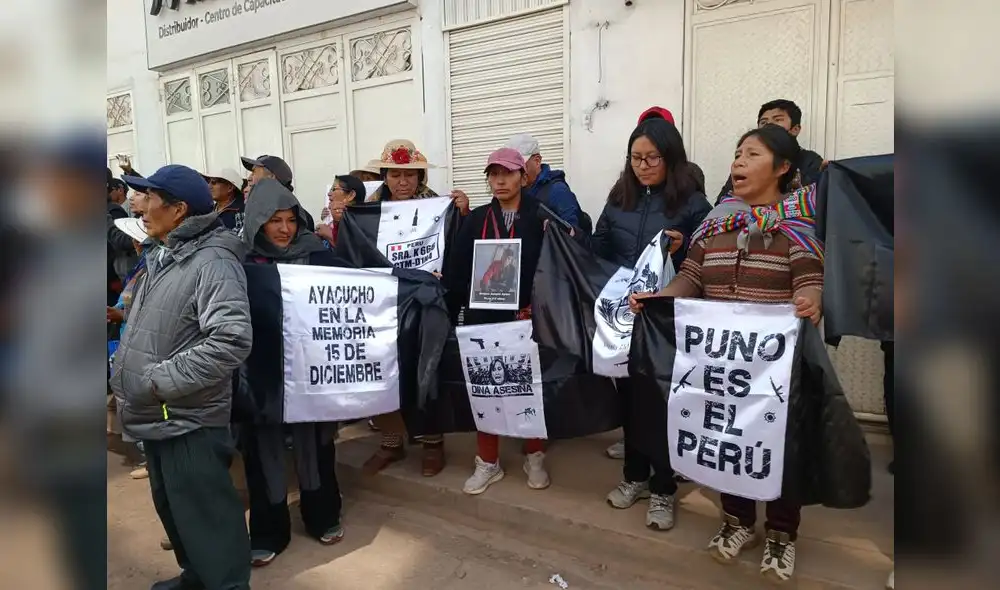
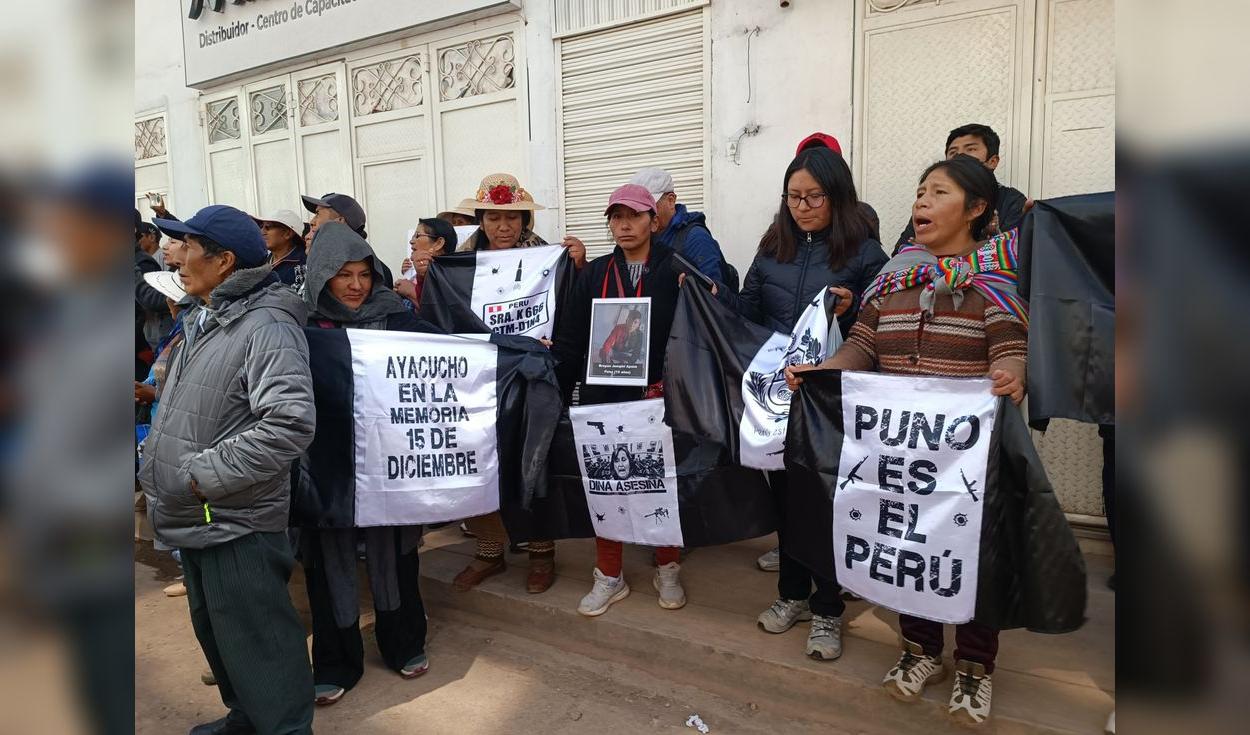
The photograph accompanying her column showed Puno residents rejecting the visit of Phillip Butters to the region, credited to photographer Liubomir Fernández.
Alayza Maccera wrote that Puno's regional government was authorized 3,706 million soles for 2026 but had executed only 2,770 million, leaving 936 million soles unspent, according to figures she attributed to Peru's Ministry of Economy and Finance (MEF). She asked why the money had not been used.
As an example of the shortfall, she pointed to the Virgen del Carmen educational institution in Atuncolla, a school that has stood for 120 years and is, in her words, still standing by a miracle. Rebuilding it would cost 13 million soles, but the file authorizing the work remains stalled. She said fewer students attend each day, and those who remain have grown used to unacceptable conditions.
Gaps in justice for women
Alayza Maccera wrote that the National Specialized Justice System (SNEJ), the body responsible for protecting women's safety and punishing violence against them, has still not been made operational in the region. She said only a handful of courts serve the entire population, resulting in delays in filing complaints, insufficient protection, language barriers, discrimination against Quechua and Aymara women, and domestic violence that kills.
Puno sits in Peru's southern highlands around Lake Titicaca and is home to large Quechua and Aymara populations. The region has repeatedly drawn national attention over unequal access to healthcare, education and justice, and has been the site of past social unrest.
Artisans as a counterpoint
Alayza Maccera also highlighted a more hopeful side of the region. She wrote that artisans from the Uros, the communities known for their floating reed islands on Lake Titicaca, are organizing and turning their traditional weaving into economic opportunities. She said their tapestries and embroidery convey resilience, and that while talent is abundant, there is a lack of promotion and support for it.
She wrote that as a deputy she has committed to acting on the problems she describes, saying that although they date back years, they cannot keep being postponed. She said lawmakers have a responsibility to push for change, demand results, and work toward timely justice, decent schools, accessible healthcare, and a budget that is converted into the works and services that make the people of Puno feel that they matter. She closed by writing that Puno does not ask for charity, it demands rights, and that even wounded, it continues weaving hope.
More from Las Tejedoras
The column appeared under the byline Las Tejedoras, a series that has recently covered other issues affecting women and children across Peru.
A column published on 18 November, headlined "Miente, miente, que algo queda," reported that Peru's Ministry of Education confirmed it holds no information about early sexuality among students, contradicting statements made by a member of Congress.
The Puno column was also listed among the series' recent articles.
A column published on 4 November, "Justicia y esperanza para las niñas Awajún y Wampis," cited a report by UNICEF and Peru's National Institute of Statistics and Informatics (INEI) finding that 46% of Indigenous children in the Amazon face physical or psychological aggression.
A column published on 29 October, "La inclusión del otro," referenced Peru's 2026 National Survey on Perceptions of Inequality, which found that only 38% of respondents consider inequality unacceptable, warning that this could help normalize the country's situation.
A column published on 22 October, "De la ciencia a la política," featured public health expert Magaly Blas reflecting on her experience as a candidate for a council seat in Lima Metropolitana and on the role of scientists in politics.