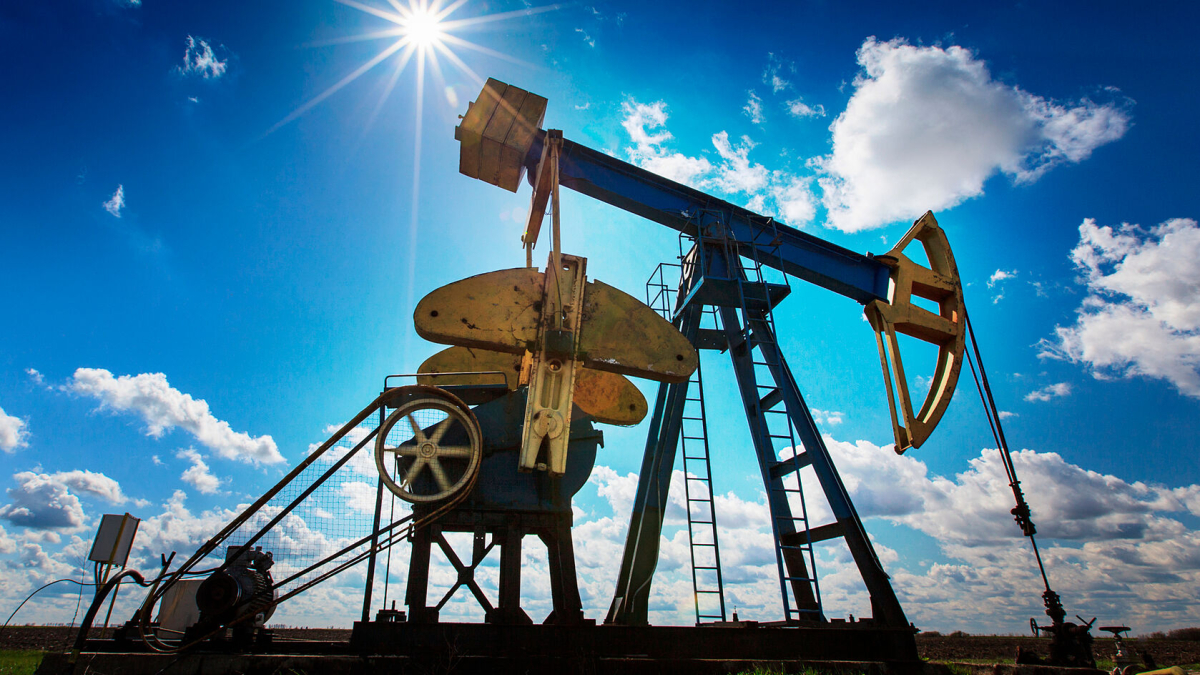
Oil prices fell sharply yesterday as United States President Donald Trump moved to end the military campaign against Iran following severe midterm election losses.
Brent crude, the international benchmark for European energy supplies, dropped below $92 per barrel. The decline marked a steep 21 percent fall over just eight trading sessions, extending a downward trend that began two weeks ago as investors anticipated a conclusion to the conflict.
Trading remained volatile during the day, but prices settled lower after Trump conceded the damaging political impact of the fighting. Following a decisive victory by the Democrats in the congressional midterm elections, Trump acknowledged that the military offensive in the Middle East had harmed Republican candidates at the ballot box.
Growing domestic discontent over the election results forced the president to declare the war over before diplomats could finalize a formal peace treaty. Negotiations brokered by Arab governments are still underway, with several contentious matters unresolved. Negotiators have yet to settle critical issues, including the future of the Iranian nuclear programme and the collection of shipping tolls through the Strait of Hormuz.
Pressure from Israel
The abrupt reversal in Washington surprised financial markets. Prior to the elections, analysts considered an escalation far more likely due to intense lobbying from Israeli Prime Minister Benjamin Netanyahu. Netanyahu had pressed American officials to resume air strikes against Tehran once voting concluded.
Trump and Netanyahu had maintained the joint military offensive against Iran since February. The sudden pivot to end hostilities represents a sharp break from that strategy, easing immediate geopolitical risks across the Persian Gulf.
The drop in crude provides welcome relief for Western nations, which face the approaching winter with their strategic petroleum reserves at historic lows. Western emergency stockpiles currently sit at just 75 percent of operational capacity, leaving consumer nations unusually exposed to sudden disruptions in crude deliveries.
Airlines and Energy Costs
The military conflict has already inflicted severe financial damage on the global transportation sector. Escalating jet fuel costs have hit international carriers hard throughout nine months of combat.
Major European airline groups, including International Airlines Group, Ryanair, Lufthansa and Air France, have collectively paid an extra 3.5 billion euros for aviation fuel because of the price spike caused by the war. For airlines operating on tight margins, soaring fuel bills have driven up operating expenses and eroded passenger profitability.
Economists warn that the broader economic fallout from the war will not disappear as quickly as oil prices have fallen. Cost increases triggered by the fighting have spread deep into the global supply chain, keeping core consumer prices elevated across major economies.
Central Banks and Interest Rates
Inflation in Europe remains stubborn, averaging above 4 percent across the continent. In Spain, consumer price inflation has touched 5 percent, while prices in the United States continue to outpace the predictions of Wall Street economists.
Persistent inflation is expected to force central banks on both sides of the Atlantic to keep raising interest rates, even if fighting in the Middle East draws to a close. Policymakers at the European Central Bank and the Federal Reserve face pressure to ensure that temporary energy spikes do not translate into permanent wage and price increases.
Investor anxiety over higher borrowing costs triggered heavy selling in sovereign debt markets yesterday. A widespread sell-off in United States government debt drove 10-year Treasury yields back up to 4.78 percent, reflecting market expectations that the Federal Reserve will raise benchmark interest rates again before the end of the year.