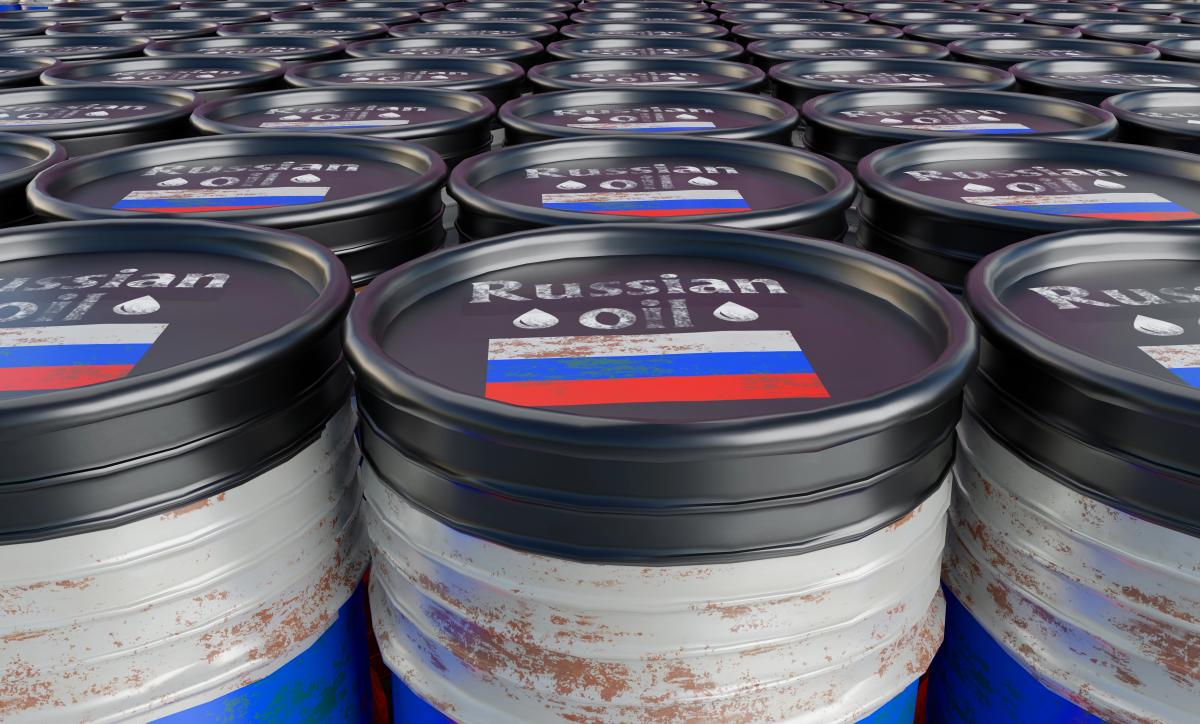


Brent crude oil prices plunged 17 percent this week to settle at 98 dollars a barrel following Democratic victories in the United States midterm elections.
The European benchmark closed Friday at 98 dollars a barrel, registering its largest weekly decline since 2020. Over five trading days, the contract dropped 17.25 percent from close to 118 dollars a barrel as investors reacted to the prospect of diplomatic talks between Washington and Iran.
The Democratic Party secured control of both chambers of the United States Congress in the vote. Financial markets immediately viewed the outcome as a constraint on prolonged hostilities with Tehran, driving North Sea crude down to an intraday low of 93.22 dollars a barrel during trading sessions.
In five sessions, Brent fell from a closing price of 117.64 dollars on Friday, October 30, to trade near 98 dollars by the end of the week. The drop reflected a rapid political shift in Washington, where the balance of power altered after voters went to the polls.
United States midterm elections occur halfway through a president's four-year term, deciding which party controls the Senate and the House of Representatives. A shift in congressional control can alter federal spending, restrict military funding authorizations, and reshape executive foreign policy.
Washington political reaction
On Wednesday, Chuck Schumer, the Democratic leader in the Senate, pledged that his party would act to halt the war in Iran. Schumer stated that he had secured the backing of several Republican Party lawmakers to help bring an end to the hostilities.
Schumer leads the Democratic caucus in the upper chamber of the United States Congress, where legislation regarding war powers and foreign military operations requires broad legislative consensus.
United States Vice President JD Vance also addressed the election results on Wednesday. Vance stated that the war in Iran was the reason his party lost the midterm elections.
United States President Donald Trump attributed the defeat at the polls to the Middle East conflict as well. Trump said the war caused petrol prices to rise slightly for a short time, remarks that energy markets interpreted as a potential signal that Washington could seek an end to the war.
The downward movement in crude prices began prior to election day. On Monday, Brent fell to 104.77 dollars a barrel, marking a drop of nearly 11 percent compared to the close on Friday, October 30.
Yearly gains and geopolitical risk
Despite the steep losses recorded over the week, European benchmark crude remains substantially higher over the course of the year. Brent has gained 60 percent since the beginning of the year and remains up 34 percent since the conflict in the Middle East began on February 28.
Market observers noted that the earlier run-up in prices reflected political anxiety rather than an immediate physical shortage of oil. Norbert Rücker, head of economics and next generation research at Julius Baer, told the Spanish news agency EFE that global physical crude supplies remain adequate.
Rücker said energy prices had appeared disconnected from reality because of a geopolitical risk premium. He added that geopolitical premiums are usually fleeting and tend to dissolve if no further military escalation takes place.
Julius Baer is a private banking and wealth management institution headquartered in Zurich, Switzerland. In commodity trading, a risk premium refers to additional cost built into futures contracts when buyers fear potential disruptions to oil infrastructure, transit chokepoints, or export terminals.
Shipping costs and price forecasts
Other financial analysts observed that secondary costs had surged even faster than the raw fuel itself during the crisis. Ignacio Cantos-Figuerola, equity manager at the Spanish investment firm Abante, explained that transport and insurance costs had risen even more than the underlying commodity.
Cantos-Figuerola said that if the conflict concludes, shipping and insurance costs should decline and help push crude prices down toward 80 dollars a barrel.
Cantos-Figuerola added that the requirement to rebuild depleted commercial and national reserves would keep demand robust, stabilizing prices between 80 and 90 dollars a barrel. However, he noted that the true equilibrium level for crude lies between 60 and 70 dollars a barrel.
Abante is an independent financial advisory and investment management firm based in Madrid. During maritime conflicts, commercial shipping lines and cargo insurers routinely raise war-risk insurance rates on supertankers passing through key waterways such as the Strait of Hormuz, substantially raising landed costs for refiners.
United States crude and European natural gas
The price decline across energy markets was not limited to Brent crude. West Texas Intermediate, the benchmark crude contract for the United States, fell 13.5 percent during the week.
West Texas Intermediate dropped from 104.12 dollars a barrel on the final Friday of October to trade around 90 dollars by the end of the week. WTI is a light, sweet crude oil produced primarily in the Permian Basin and other North American fields, with physical storage and delivery centered in Cushing, Oklahoma.
Natural gas prices in Europe experienced an even larger drop over the same period. The benchmark Title Transfer Facility gas contract tumbled 17.5 percent in a single week, falling from 103.9 euros per megawatt-hour on October 30 to less than 86 euros.
The Title Transfer Facility is a virtual trading hub in the Netherlands that serves as the primary price reference for continental Europe. The decline in both crude and gas prices offers financial relief to European consumers and industrial energy users after months of elevated costs.