

Drivers in Portugal will see substantial relief at filling stations from Monday as retail fuel prices drop by up to 10 cents per litre.
The price of diesel is expected to fall by roughly nine cents per litre, while petrol is projected to decrease by around 10 cents per litre, following recent shifts in global energy markets.
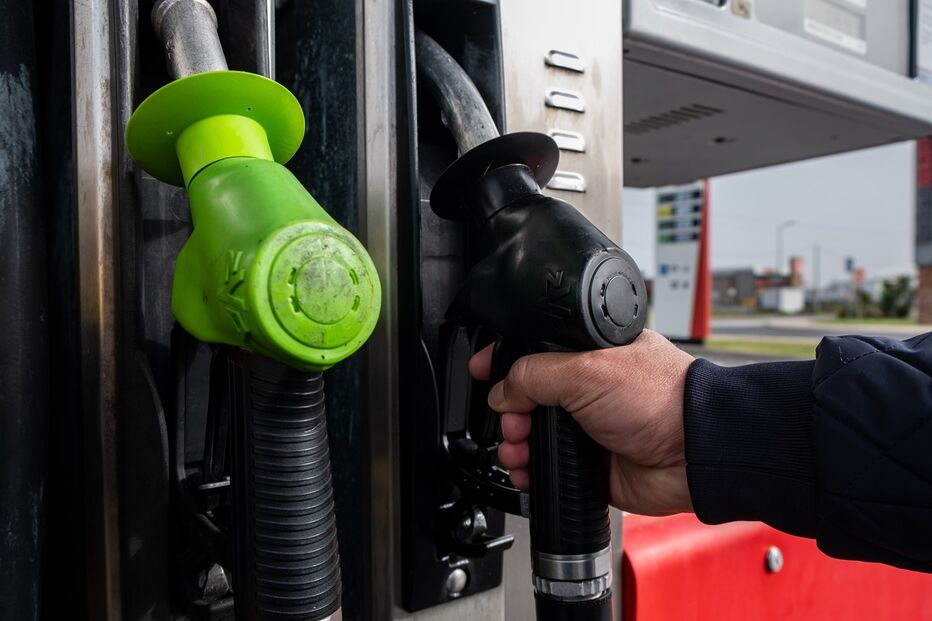
Initial estimates from the energy sector pointed to even larger decreases of 11 cents per litre for diesel and 12.5 cents per litre for petrol. However, consumers will see a smaller reduction at the pump because the Portuguese government adjusted the rates of the ISP petroleum products tax.
Official figures from the Directorate-General for Energy and Geology showed that the national average price stood at 2.205 euros per litre for diesel and 2.000 euros per litre for petrol yesterday. If the industry projections are confirmed after accounting for the weekly ISP tax revision, simple diesel is expected to cost approximately 2.113 euros per litre at service stations, while simple 95 petrol should reach 1.901 euros per litre.
The Directorate-General for Energy and Geology, known as DGEG, monitors official fuel prices across mainland Portugal by tracking daily price reports submitted by filling stations, providing benchmark data for both consumers and regulatory authorities.
Crude oil markets and US elections
The price drop at Portuguese pumps follows a sharp decline in international oil benchmarks earlier in the week, when crude oil fell below 100 dollars per barrel. That decline reflected expectations among financial traders that Donald Trump will have less room to pursue an aggressive policy agenda, including continuing the war with Iran, following defeat in the United States midterm elections.
Brent crude, the benchmark used for European crude imports, dropped below 100 dollars after United States Vice President J.D. Vance attributed the midterm election results directly to the conflict in Iran. Global fuel supplies have faced persistent disruption from the fighting in Iran as well as attacks on oil refineries during the war in Ukraine.
The downward trend in crude prices paused as investors refocused on the continuing stalemate in the Iranian conflict. Brent crude subsequently resumed its climb, trading at 98 dollars per barrel yesterday.
Government fuel tax adjustments
In Portugal, retail fuel pricing remains heavily influenced by state fiscal decisions, particularly through weekly adjustments to the ISP tax, or Imposto sobre Produtos Petrolíferos. The excise mechanism allows the Ministry of Finance to alter tax rates to balance changes in value-added tax revenues when international oil prices fluctuate.
Portuguese Environment Minister Graça Carvalho confirmed that the government intends to maintain its established policy of not profiting from value-added tax on fuel products. Speaking in an interview, Carvalho stated that ministers will continue providing financial assistance to the economic sectors most exposed to energy costs.
Electric vehicle subsidies and relief
Carvalho also addressed wider cost pressures during an appearance on television channel NOW, where she defended government subsidies for low-income families purchasing electric vehicles. The channel is a Portuguese rolling news network operated by media group Medialivre.
The minister explained that state support for electric cars targets households facing significant fuel expenditures, especially families living in low-density rural regions. Carvalho noted that these families depend on private vehicles for everyday necessities, including travelling to work, doing grocery shopping, and taking children to school.
Portugal has promoted electric transport through targeted subsidies funded by the national Environmental Fund, seeking to cut transport emissions while shielding low-income households from fossil fuel price volatility.
Service stations across Portugal will update pump displays on Monday morning when the revised ISP tax rates take effect, with drivers waiting to see whether local retailers pass on the full estimated cuts.