

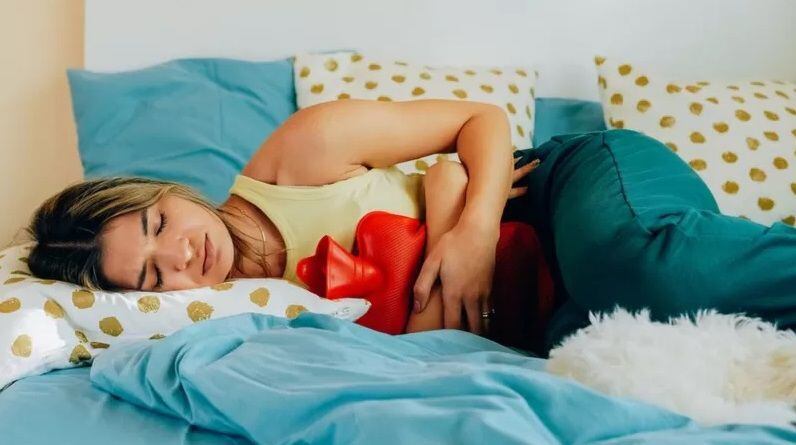
Plan International Ecuador technical advisor Daniela Lisintuña has outlined key menstrual cycle guidance to help women identify health warning signs. Lisintuña stated that the menstrual cycle is an essential indicator of overall health, governed by hormonal interactions between the brain, ovaries, and uterus.
Medical evaluation is required if women experience severe pain, bleeding lasting over seven days, or heavy bleeding that requires changing sanitary products every two hours or less. Lisintuña warned that incapacitating menstrual pain should never be normalized as a routine symptom.
Plan International is a global child rights and humanitarian organisation operating across more than 75 countries, including Ecuador in South America. The NGO works to promote sexual and reproductive health education alongside local community partners.
Four phases of the menstrual cycle
Lisintuña explained that the menstrual cycle can be understood through four distinct physiological phases. A standard cycle is counted from the first day of menstrual bleeding until the day before the next period begins. While a 28-day duration is commonly referenced, cycles ranging between 21 and 35 days are considered completely normal.
The menstrual phase marks the beginning of the cycle, when the endometrium, the inner lining of the uterus, sheds because pregnancy did not occur. During this phase, falling levels of estrogen and progesterone coincide with bleeding. Women may experience mild to moderate cramping, fatigue, lower back pain, headaches, and breast tenderness.
The follicular phase follows the start of menstruation, during which the ovary prepares and matures a new egg. Estrogen levels rise, prompting the uterus to rebuild its endometrial lining. Lisintuña noted that some individuals experience increased energy and well-being during this stage, though individual responses vary.
Ovulation occurs when an ovary releases a mature egg, representing the window of highest fertility during unprotected sexual intercourse. As ovulation approaches, cervical mucus often becomes clear and elastic, and some women experience mild, temporary discomfort on one side of the abdomen.
The luteal phase begins after ovulation as progesterone levels rise to maintain the uterine lining for potential pregnancy. If fertilization does not take place, progesterone and estrogen levels drop sharply, triggering premenstrual symptoms such as abdominal bloating, mood changes, anxiety, sadness, irritability, altered appetite, fatigue, or sleep disruptions.
Warning signs that require medical evaluation
Lisintuña emphasized that severe symptoms should prompt an immediate visit to a healthcare provider. Bleeding between periods, persistent cycle irregularities, or the sudden absence of menstruation without a clear cause all warrant professional examination.
Medical attention is also necessary when menstrual pain prevents a woman from working, studying, sleeping, or completing daily tasks. Lisintuña warned that progressive pain or pain occurring during sexual intercourse, urination, or bowel movements could indicate underlying gynecological conditions that require diagnosis.
To track personal health, Lisintuña recommended recording bleeding patterns, pain levels, sleep quality, physical activity, and emotional changes over several consecutive months. Keeping a log helps individuals identify personal patterns, anticipate physical needs, and spot unusual variations early.
Hygiene practices and daily lifestyle factors
Maintaining menstrual health relies on lifestyle habits such as balanced nutrition, regular exercise, adequate hydration, sufficient sleep, and effective stress management. Lisintuña noted that physical performance and emotional responses during the cycle vary widely among individuals and depend heavily on overall health, age, and social context.
Proper hygiene requires using suitable menstrual products changed at regular intervals, along with consistent hand washing. Lisintuña explicitly advised against vaginal douches, intimate perfumes, or internal cleansing products, explaining that these can disrupt natural vaginal flora and cause irritation.
Routine sexual and reproductive health check-ups should be maintained as part of general wellness. Lisintuña stressed that medical visits should not be delayed until illness appears or until a person becomes sexually active.
Busting common myths and misconceptions
Persistent cultural myths continue to surround menstruation, including beliefs that it is an illness, that menstrual blood is dirty, or that intense pain is normal. Lisintuña also rejected the widespread belief that monthly bleeding is necessary to cleanse or detoxify the body.
Medical evidence shows that menstruation does not serve a detoxifying function. Bleeding may diminish or stop entirely during the use of certain hormonal contraceptives or medical treatments without blood accumulating inside the body. However, unexplained period loss outside of medical treatment requires doctor evaluation.
Lisintuña called for inclusive menstrual education that involves boys, male teenagers, and men alongside girls and women. Broadening education helps dismantle social stigma, mockery, and discrimination, framing menstrual health as a shared responsibility across families, schools, communities, and government institutions.
National campaign to tackle period poverty
To address menstrual health needs across Ecuador, local manufacturing company La Fabril has driven the Niñas sin miedo initiative through its Íntima hygiene brand since 2019. Period poverty refers to the lack of access to sanitary products, hygiene facilities, and menstrual education.
Since its launch, the program has reached more than 162,000 girls and adolescents with menstrual hygiene supplies, educational resources, and personal support. The campaign aims to dismantle taboos so young people can manage their cycles with dignity and self-assurance.
In 2026, the project launched its latest phase, titled Súmate al equipo por más niñas sin miedo, marking its second year of partnership with Plan International Ecuador. The 2026 initiative aims to benefit more than 87,000 girls and adolescents across eight provinces in Ecuador through product distribution and educational outreach.


