
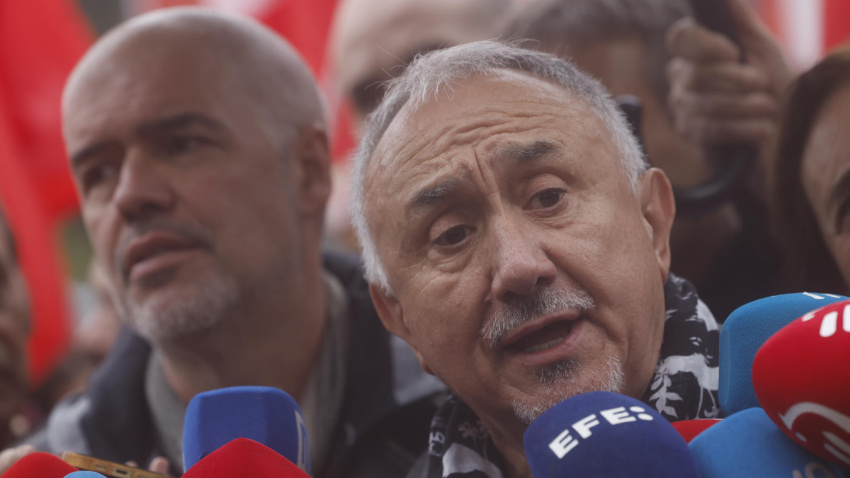
Doctors across Spain's public health system largely stayed away from Wednesday's general strike, according to Víctor Pedrera, secretary general of the Spanish Confederation of Medical Unions (CESM), who described turnout in the health sector as "practically testimonial."
Pedrera made the comments in an interview with Ángel Expósito on the COPE radio programme La Linterna. He said the weak response was not limited to doctors but extended across the whole health sector.
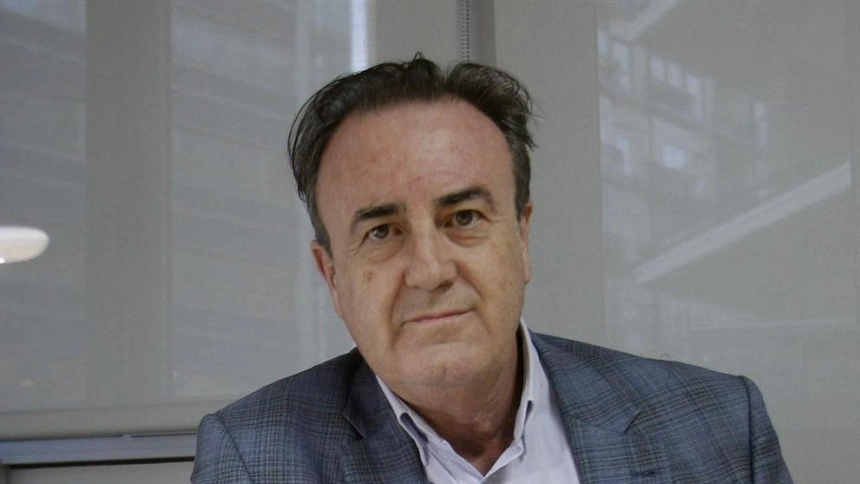
Pedrera said the low mobilisation reflected a sense of abandonment among health professionals. He said doctors feel that the general unions, CCOO and UGT, had sidelined the medical profession, so it made little sense for those unions to then ask doctors for support in the general strike.
He added that CESM itself did not back the walkout because it did not see it as a strike aimed at defending labour rights, but rather one with more of a political character.
Pedrera said the tension was deepened by the fact that CCOO and UGT had not supported an earlier strike called by medical unions against the Ministry of Health. He said doctors were coming from a strike that the unions now calling the general strike had failed to back, and that the medical profession had responded accordingly.
A profession in crisis
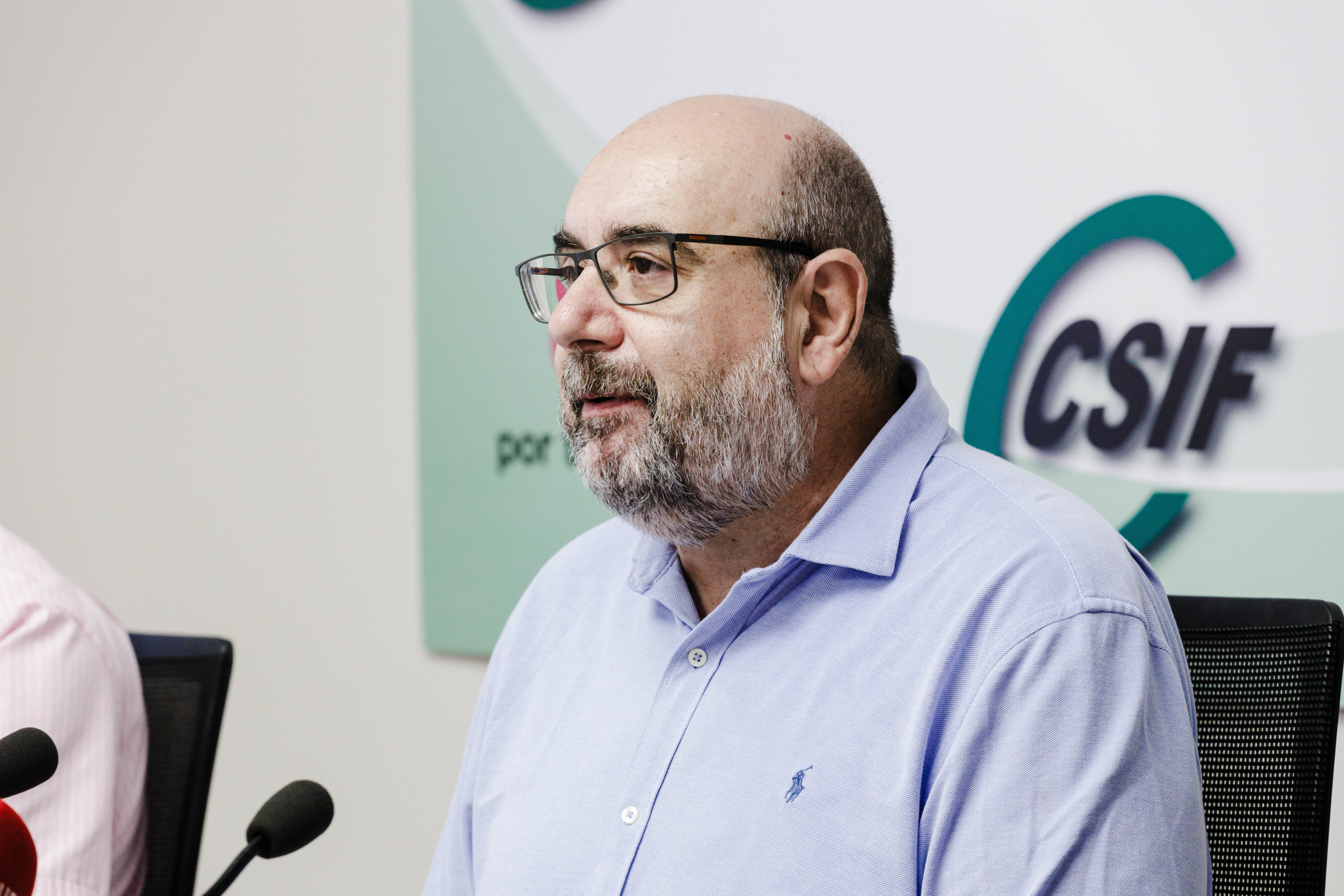
Pedrera used the interview to restate the sector's demands of the next government. He said the medical profession is in a state of crisis, with colleagues feeling a total detachment from public healthcare. He pointed to what he called "nineteenth-century" labour regulations and a generational shift clashing with current working conditions.
According to Pedrera, newer generations of doctors are not willing to be on call around the clock or to work 60 or 70 hours a week to earn a decent salary. He criticised what he called the confusion of the medical profession with other professions that do not have the same qualifications, and said he hoped the incoming government would sit down to negotiate an agreement that has so far not been reached with Health Minister Mónica García.
A disputed new labour framework
One of the profession's long-standing demands is to take part in negotiating the new Estatuto Marco, the framework law that sets the working conditions for Spain's public health staff. Pedrera noted that the bill drawn up under the current ministry lapsed when the Spanish parliament, the Cortes, was dissolved, but he said the bill had been drafted without any involvement from doctors.
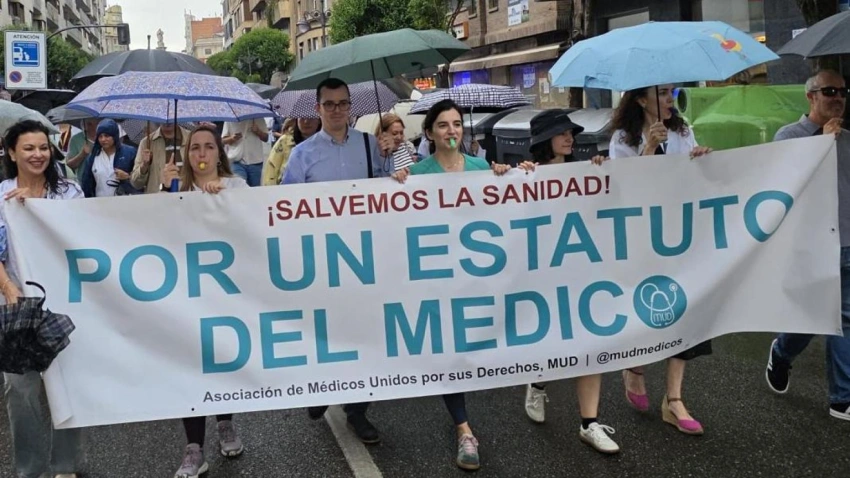
Pedrera said doctors make up at most 14 to 15 percent of Spain's health workforce, a sector dominated by the general unions, where medical representation is very low. He said doctors had been kept on the margins, and that this had led the profession to insist on negotiating its own working conditions directly, rather than through the general unions.
Pedrera concluded that the general strike called this week has nothing to do with the problems facing the medical profession. He said the solution requires sitting down with doctors to offer working conditions that are dignified and that make practising medicine in public healthcare attractive, something he said is becoming increasingly distant.