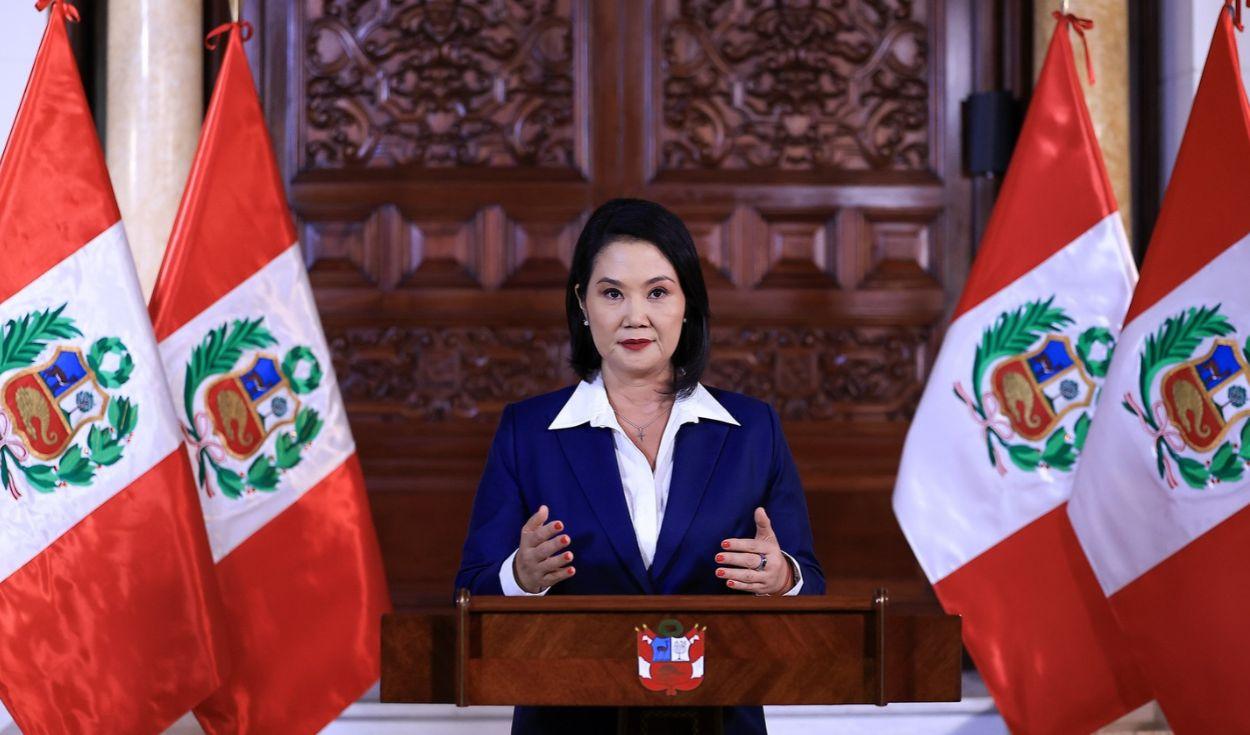
Peru's government under President Keiko Fujimori marked its 100th day in office this week with low public approval, according to a poll by Datum cited by columnist Eliana Carlín in an opinion piece for 247 News Agency. Only 10% of respondents rated the government as good, 38% called it bad, and 47% said it was average.
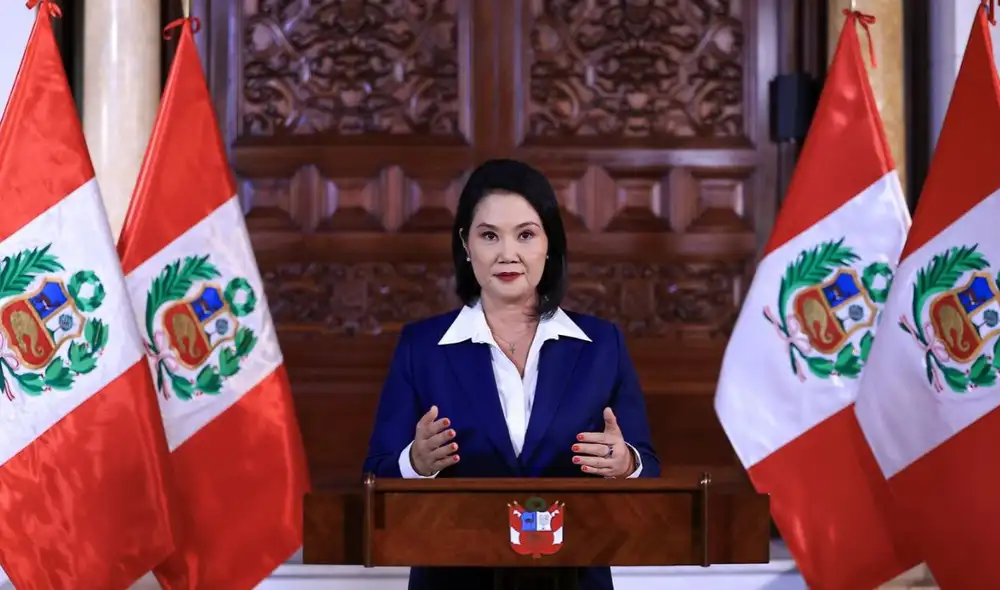
The same poll found that 68% of those surveyed believe no progress has been made against insecurity. Carlín wrote that the 100-day period included 621 homicides, more than six a day, while the executive branch has still not used the special legislative powers it had requested from Congress.
Protests in Trujillo and Huánuco
Carlín wrote that street-level anger has matched the polling numbers. In Trujillo, a city long considered a stronghold for Fujimori's party, a presidential visit to the El Milagro prison ended with relatives of inmates demanding information about their dead and someone throwing an egg at the official vehicle.
In Huánuco, thousands of people brought the city to a standstill over a lack of running water and were dispersed with tear gas, according to the column. Carlín described both incidents as protests against a state that does not respond.
Fujimori promised order and spent fifteen years preparing for power, Carlín wrote, yet 100 days in, her government has become just one more in the series of administrations that followed the removal of former President Pedro Castillo in December 2022. No single political act, she argued, has set the government apart from that series or given it an identity of its own.
A pattern of militarized politics
Carlín argued that the government should be understood through the militarization of politics in Peru, in which force has replaced deliberation as the state's response to social conflict. She dated the current phase to December 2022, after Castillo's removal, when the state met protest with states of emergency and weapons, killing 49 people whose families still have not seen justice, she said.
Congress later wrote that approach into law, Carlín said, through Law 32419, an amnesty measure enacted by then-President Dina Boluarte with the backing of Fujimori's Fuerza Popular party, alongside Fujimori's publicly stated wish to extend that pardon to people who acted in 2022 and 2023.
Fuerza Popular did not inherit that cycle, Carlín wrote, it started it, co-governing from Congress, and from the presidential palace it is now deepening it. She pointed to the government's answer to insecurity, a unified command bringing together the armed forces and the police, with an operations centre at the Army's general headquarters.
She cited a recent column by Manuel Pulgar Vidal, a former Peruvian environment minister, who listed nine unresolved debts limiting the president. Two of them, the military and the police, Carlín said, explain this orientation better than any other factor. She also pointed to Mexico, where, since 2006, deploying the military without reforming the police, intelligence services and justice system has failed to reduce violence on a sustained basis.
Recycled officials and a policy vacuum
Alongside the hardline approach, Carlín pointed to what she called frivolity in office, including the president's hats and TikTok videos. She said this kind of vanity continues a pattern set during the Boluarte period, as do the names of many "new" officials, whom she described as holdovers from that period, campaign donors and figures recycled from the 1990s, forming a network of loyalties rather than a governing team.
Carlín wrote that public policy takes time but demands serious work, and that budget planning, prioritised projects, national policies and social programmes are not built with TikTok videos but with technical teams, measurable targets and accountability. None of that, she said, has appeared in the first 100 days.
The one achievement citizens value most, according to Carlín, is "order" in schools, yet only 21% of those surveyed named it as the government's main success, which she said reflects a non-technical approach that does not resolve the underlying problems. She wrote that the government still lacks any idea of its own for the country.
A government already in power before taking office
Carlín wrote that the previous Congress had opened the door to the current government through a succession of interim leaders, naming former presidents Dina Boluarte and José Jerí, and a figure she referred to only as Balcázar. She argued that Fujimori was already governing before she took the presidential sash, and that the only new development after 100 days is that she must now answer for her government directly.
More columns by Eliana Carlín
In a column published 22 November 2026, "Pantallas apagadas" ("Screens Off"), Carlín wrote that Pope Leo XIV's visit to Peru drew millions of people, but criticised the Foreign Ministry for spending more than 11 million soles on logistics she described as flawed.
In a column published 15 November 2026, "No se puede sanar sin justicia" ("There Can Be No Healing Without Justice"), Carlín wrote that the papal visit underscored the need to heal Peru's past wounds, while questioning decisions taken by Fujimori and Boluarte on human rights.
In a column published 23 October 2026, "Nadie le obliga a no conversar" ("No One Is Forcing You Not To Talk"), Carlín wrote that Peru's two-chamber Congress needs mechanisms to resolve disagreements, but also political will to negotiate and to recognise the other side's legitimacy.
In a column published 18 October 2026, "Cortinas que conocemos" ("Curtains We Know"), Carlín wrote that the Senate's full chamber was due to vote on a bill the following Monday, the 19th, adding that the day would be better spent discussing intelligence than nails.