Spain's official general election campaign began on Friday, November 13, 2026, as the Guardia Civil's anti-corruption unit, the Unidad Central Operativa (UCO), entered the Court of Audit and the Ministry of Equality over alleged diversions of European Union funds, closing out a tense pre-campaign period, columnist Jorge Fernández Díaz wrote.
The pre-campaign had run since October 6, 2026, when the government published the royal decree calling the election in the Boletín Oficial del Estado, Spain's official state gazette. The formal campaign for the November 29 vote now runs 15 days, ending at midnight on Friday, November 27, followed by a day of reflection on Saturday, November 28, before voters go to the polls that Sunday.
General strike marks final stretch
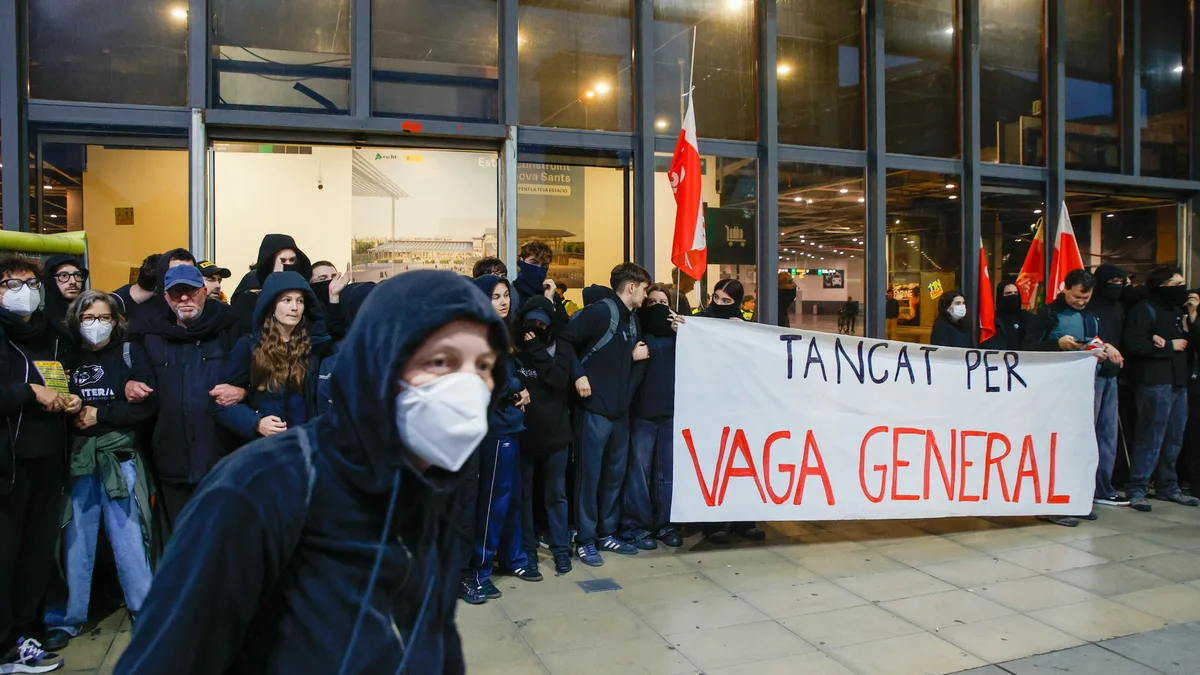
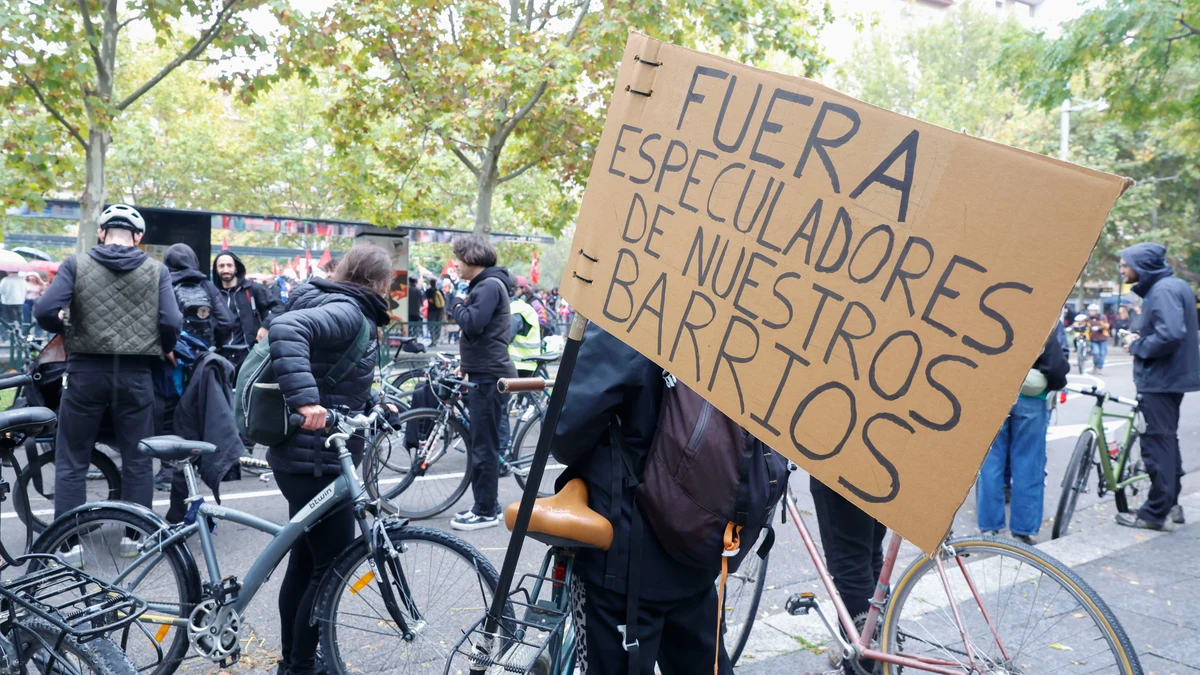
The pre-campaign's defining moment, according to Fernández Díaz, was a general strike called by Comisiones Obreras (CCOO) and the Unión General de Trabajadores (UGT), Spain's two largest trade union federations. He described it as having effectively become a political rally, drawing heavy turnout from union and party activists but little following among working professionals.
As evidence, Fernández Díaz pointed to electricity consumption figures, which he said fell by just 4.6% compared with a normal day during the strike, a far smaller drop than the 19.95% fall recorded during Spain's previous general strike, on November 11, 2012.
The strike was also marked by numerous violent incidents and more than 100 arrests nationwide, the column said. In Barcelona, 32 officers of the Mossos d'Esquadra, Catalonia's regional police force, were injured and more than 50 people were arrested, including French radicals who had travelled to Spain for the strike.
Congress committee's final vote of the term
A day earlier, the Diputación Permanente of Spain's Congress of Deputies, the standing committee that takes on some of the chamber's functions until the new Cortes are seated on December 23, met for what Fernández Díaz called the last session of the outgoing legislature.
The committee validated, by 35 votes to 34, a measure the columnist referred to as the so-called Maricarmen Decree, but rejected a separate measure that would have automatically and indefinitely extended rental contracts. The decree passed after lawmakers from Junts per Catalunya, a Catalan pro-independence party, and the Basque Nationalist Party (PNV) joined the center-right Partido Popular (PP) and the right-wing Vox in voting for it.
Fernández Díaz noted that the outcome meant a reduced bloc of 69 deputies had overturned a position previously agreed by the full 350-seat Congress.
The columnist wrote that this parliamentary defeat gave Prime Minister Pedro Sánchez, of the Spanish Socialist Workers' Party (PSOE), the pretext he used to call the general election, and that his government put housing and evictions at the center of its response in an attempt to overshadow what Fernández Díaz described as a lamentable situation in Ceuta, the Spanish autonomous city on Morocco's northern coast.
Among the deputies who had previously voted to validate the first such royal decree-law were the Socialist lawmakers Óscar Puente and Montse Mínguez, the columnist noted, both of whom have since resigned from their government posts and declined to stand for re-election as deputies.
Corruption investigations open
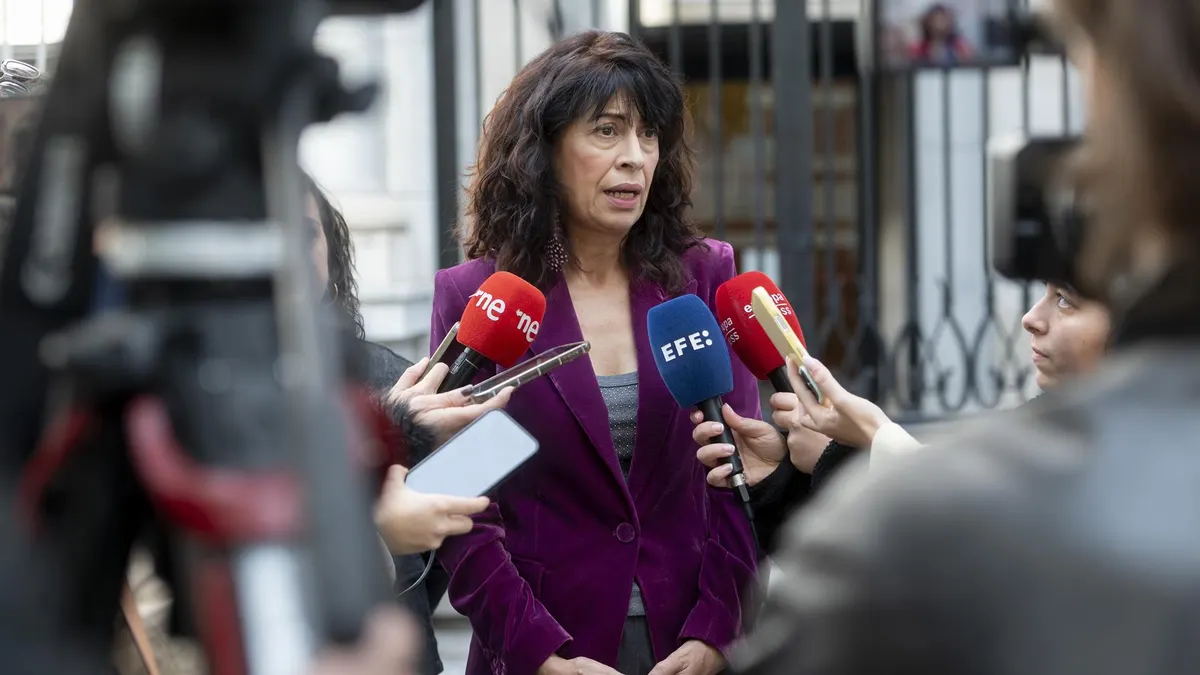
Closing out the pre-campaign period, the UCO, the Guardia Civil's judicial police branch that has led several of Spain's highest-profile corruption investigations, entered the Court of Audit, the body that audits Spanish public accounts, and the Ministry of Equality, the government department responsible for gender policy including domestic violence protection measures.
The move came after the European Public Prosecutor's Office, the European Union body that investigates fraud affecting EU funds across member states, ordered an investigation into alleged diversions of European money earmarked for ADIF, Spain's state-owned rail infrastructure manager.
Investigators are also examining the destination of 6 million euros allocated for anti-abuse tracking bracelets, electronic devices issued to monitor domestic violence offenders that Fernández Díaz said have been marked by repeated failures, false alarms, and alerts that fail to go off.