Rail traffic controllers at Spanish infrastructure manager Adif have called two 24-hour strikes for 17 and 19 November after dispute talks collapsed without an agreement.
The industrial action was announced by the Sindicato de Circulacion Ferroviario following an unresolved session of the state company's dispute committee.
Union officials are demanding immediate staff recruitment across traffic control centres and stations, substantial revisions to technical safety instructions, and the accelerated commissioning of modern signalling on the high-speed line linking Madrid and Seville.
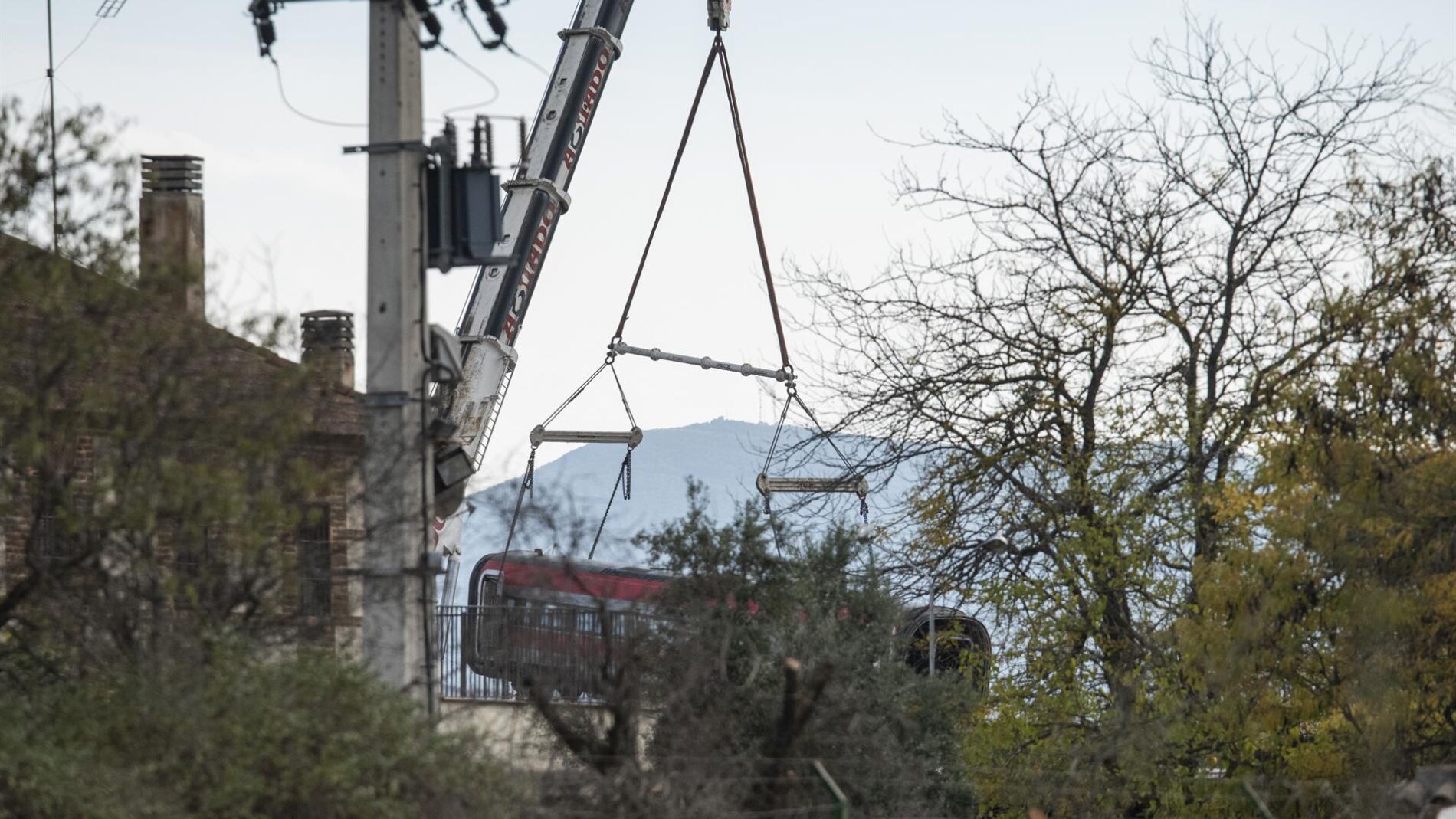
Adif, known formally as the Administrador de Infraestructuras Ferroviarias, is the state-owned enterprise responsible for operating and maintaining Spain's railway network, managing track infrastructure, stations, and the regulation centres that direct train movements nationwide.
Staffing shortages in control centres
A central demand raised by the union is an urgent increase in personnel across Adif's regulation and control centres as well as at passenger stations.
Union representatives said current staffing levels leave control rooms without sufficient cover during mandatory rest breaks, while restricting the granting of leave, the coverage of medical absences, and work-life balance for personnel.
The union also called for increased resources to ensure continuous training for railway workers, proposing practical exercises on simulators covering emergency scenarios in which standard traffic systems malfunction.
In its official statement, the union urged Adif to revise the operating instructions that set maximum limits on continuous traffic control shifts, arguing that excessive controller fatigue presents a direct threat to railway safety.
Safety instructions and signalling upgrades
The union's demands extend to changes in technical instructions that govern day-to-day operations across the national rail network.
Union officials called on Adif to publish notices regarding temporary speed restrictions at least once every day for all rail traffic, noting that speed limitations on certain lines are currently communicated only on a weekly basis.
The union also requested revisions to operating rules governing how many track maintenance projects or safety equipment repairs a single traffic controller can manage at one time.
Additional requests include alterations to safety consignments that govern simultaneous train entry routes into stations to prevent hazardous movements during arrivals.
On the infrastructure network, the union demanded the immediate entry into service of the European Rail Traffic Management System on the Madrid-Seville high-speed line.
The corridor opened in 1992 as Spain's inaugural high-speed link and continues to rely on the German-designed LZB signalling system alongside older track circuits, which the union said suffer from severe obsolescence and recurring reliability problems.
Protests and wider rail sector strikes
The strike declaration came after separate dispute negotiations initiated by Adif's General Works Committee also collapsed without reaching an agreement between management and employee representatives.
As a result, railway unions confirmed they will proceed with a planned public protest in Madrid outside the Congress of Deputies on 16 November, the day before the first planned strike.
The dispute unfolds alongside wider labour unrest across Spanish transport, after an initial meeting between Spain's Economy Minister, Carlos Cuerpo, and the train drivers' union Semaf ended without an agreement.
That stalemate led Semaf to call a general railway sector strike on 17 November, which will now coincide with the first 24-hour stoppage called by the infrastructure controllers.
The Sindicato de Circulacion Ferroviario will then stage its second 24-hour stoppage on 19 November.
Passenger impact and minimum services
The union's statement did not specify which passenger or freight services might be suspended during the two 24-hour walkouts.
Transport authorities have not yet published the mandatory minimum service levels that will apply to rail operations across the country on the strike dates.
Under Spanish labour law, the government sets mandatory minimum operational thresholds during public transport strikes to maintain essential transport links and protect basic mobility.
Travellers will need to await formal announcements from Adif and passenger train operators regarding minimum services and expected timetable disruptions to assess the full impact on their journeys.