


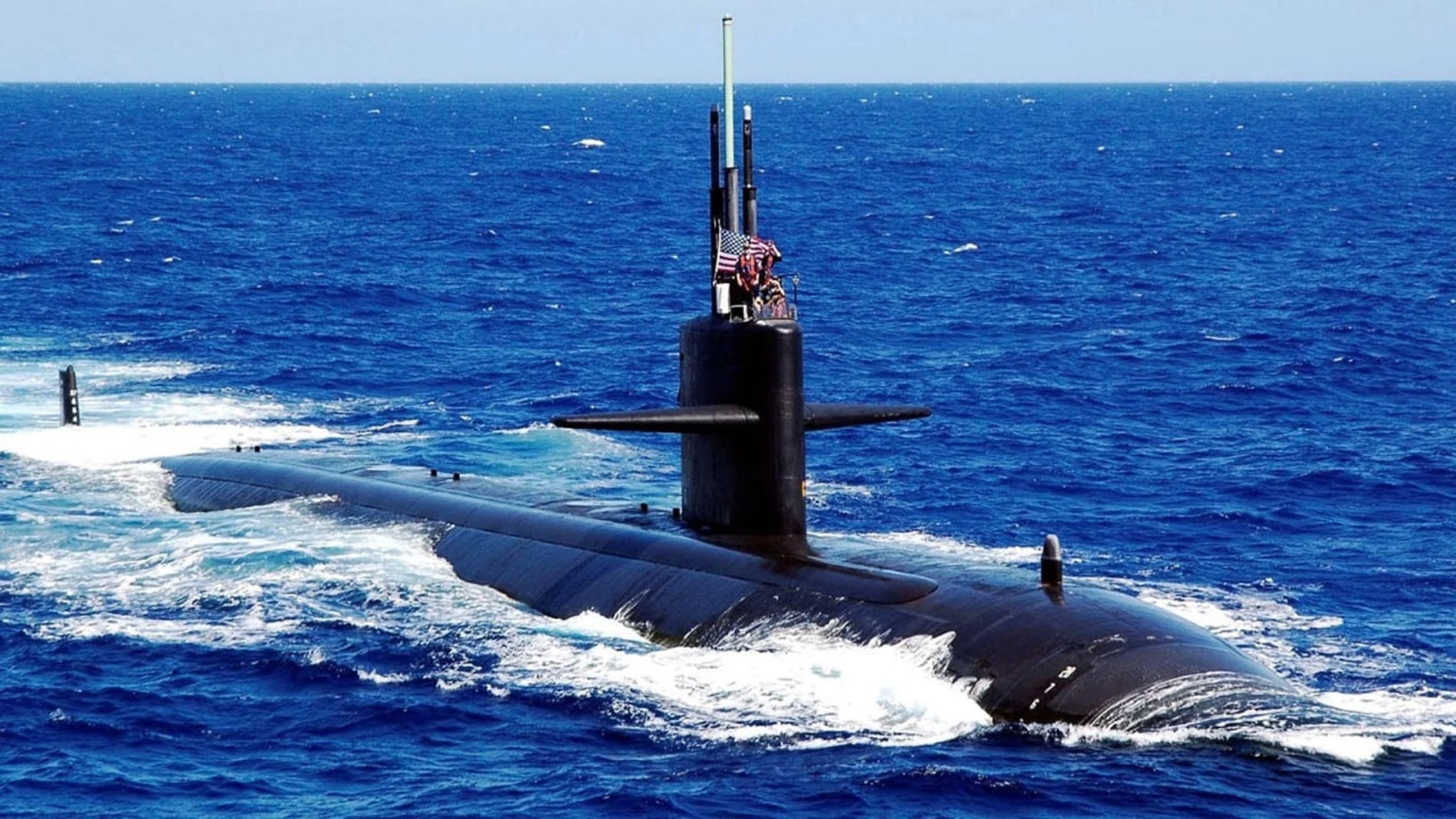
Lockheed Martin has tested its SensorMAX artificial intelligence sonar system with the United States Navy during military exercises in the Pacific Ocean. The advanced technology processes acoustic data from sensor networks to double underwater threat detection capabilities for naval missions. It continuously monitors ocean sounds and delivers a constant stream of information to ground control stations and combat aircraft.
The system uses artificial intelligence and machine learning to analyze spectral energy in the water. A core advantage of SensorMAX is its closed-loop workflow, which encompasses data capture, labeling, model retraining, and operational deployment. When operators identify a new sound signature that is not in the system, they can label the noise and retrain the machine learning model in less than five minutes per iteration.
After retraining, the software update is sent wirelessly through an encrypted data package directly to combat aircraft. This quick process improves how operators identify underwater threats during active missions.
Testing during RIMPAC exercises off Hawaii
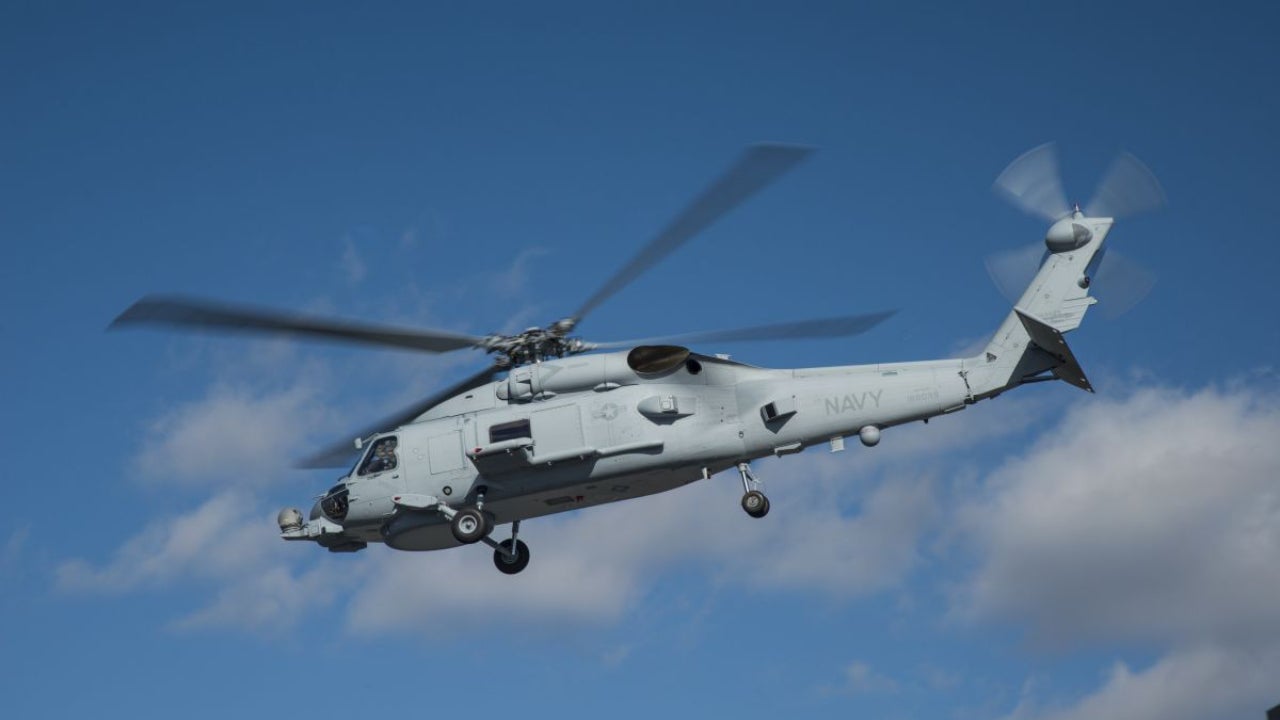
The defense company demonstrated the operational potential of the system off the coast of Hawaii during the international RIMPAC exercises. During the test, United States Navy MH-60R helicopters equipped with Lockheed Martin technology carried out anti-submarine warfare missions against an underwater threat. The helicopters deployed sonobuoys that acted as underwater microphones to capture acoustic data from the environment.
The advanced SensorMAX interface allowed operators to manage up to eight sonobuoy surveillance streams at the same time. This capability doubles the capacity of existing anti-submarine systems. Ground operators processed the newly detected noises and sent optimized acoustic intelligence back to the helicopters and the fleet within minutes.
Future military applications and sensor compatibility
The demonstration shows how the defense industry aims to accelerate the deployment of military capabilities through technological innovation. Devon Rodgers, vice president and general manager of Submarine Mission Systems at Lockheed Martin, said that the company is investing its own resources to refine the artificial intelligence system and provide the navy with tools for future conflicts. Rodgers noted that SensorMAX is platform-agnostic, allowing it to work with any type of acoustic sensor.


