

Astronomers from the US National Solar Observatory captured the most detailed images of the Sun in history using Hawaii's Inouye Solar Telescope. The record images revealed previously hidden plasma traps on the solar surface.
The Inouye facility sits on the summit of a volcano on the island of Maui. It is the largest solar telescope in the world, taking several images per second with a resolution three times higher than previous generation solar telescopes.
The images provided an explanation for the nature of plasma vortices caused by Kelvin-Helmholtz instability. Astrophysicists previously assumed these vortices existed, but earlier technology could not capture them.
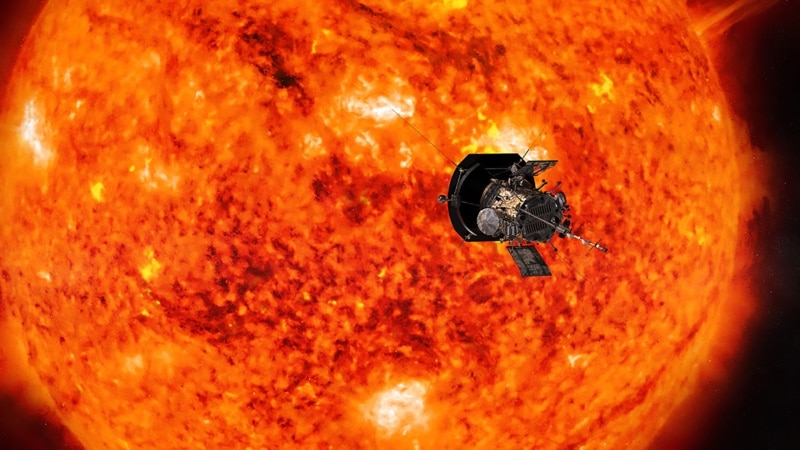
Plasma vortices and space weather
The funnel-shaped vortices measure between 500 and 2,000 kilometers in diameter, which is microscopic on the scale of the Sun. Astronomers have now obtained precise images of these structures.
The rotating, red-hot vortex traps accumulate and release energy while altering the magnetic field on the surface of the Sun. This process explains space weather, solar flares, bursts of solar energy, and the origin of prominences.
The discovery could also have practical value for humanity, as solar storms can disrupt satellites and power grids on Earth. Study results were published last week in the scientific journal Nature.
David Boboltz, an astrophysicist at the National Solar Observatory, said he hopes studying plasma vortices will help researchers better understand and eventually learn to predict space weather.


