

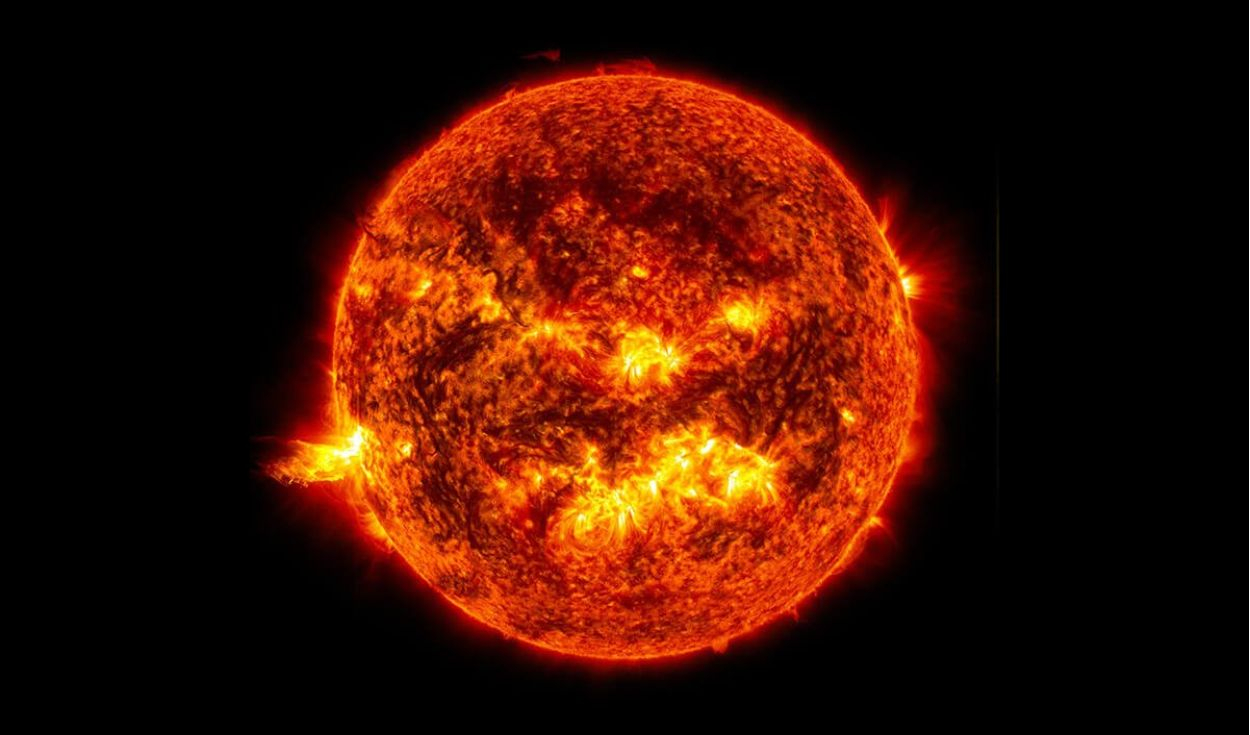
A group of scientists has captured the most detailed images ever taken of the surface of the Sun using the Inouye Solar Telescope, the most powerful solar observatory in the world. The photographs and videos, published in the journal Nature, reveal hot gas swirls and magnetic fields that had remained hidden until now.
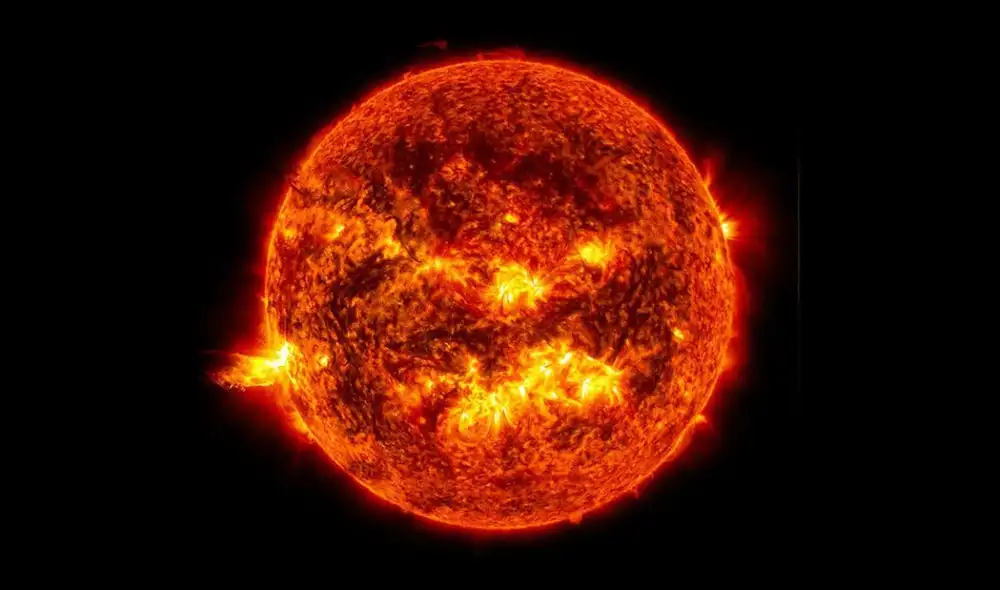
The unprecedented images focus on the Sun's photosphere, which is the visible layer of the star. They show spiral vortices generated by moving hot gas and the twisting of magnetic fields, revealing a physical process known as Kelvin-Helmholtz instability in extraordinary detail.

Researchers at the National Solar Observatory in the United States said these solar swirls act as the main force driving the accumulation of magnetic energy. When that accumulated energy reaches high levels, it releases in the form of solar flares and coronal mass ejections that affect the space environment around Earth.
Solar flare mechanism
The Kelvin-Helmholtz instability occurs when streams of hot gas slide past one another to form spiraling vortices. Scientists said they have identified this specific mechanism as the trigger for explosions of plasma and magnetic fields that the Sun ejects into space, a process never before observed with such clarity on the star.
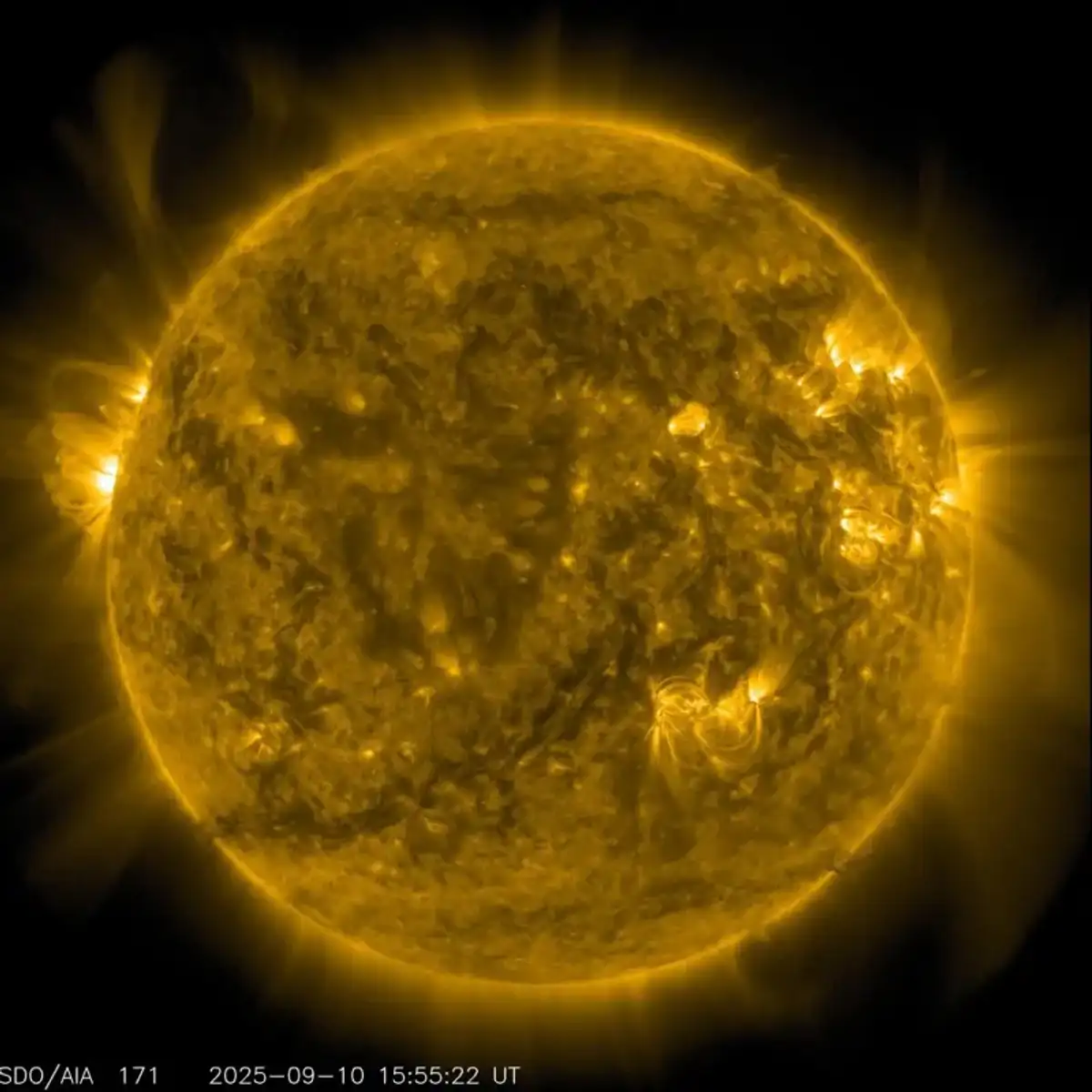
A NASA photograph also captured material expulsions from the solar surface, showing how plasma is ejected into space. The movement of gas continuously twists magnetic fields, allowing vast quantities of energy to accumulate before erupting as solar flares.
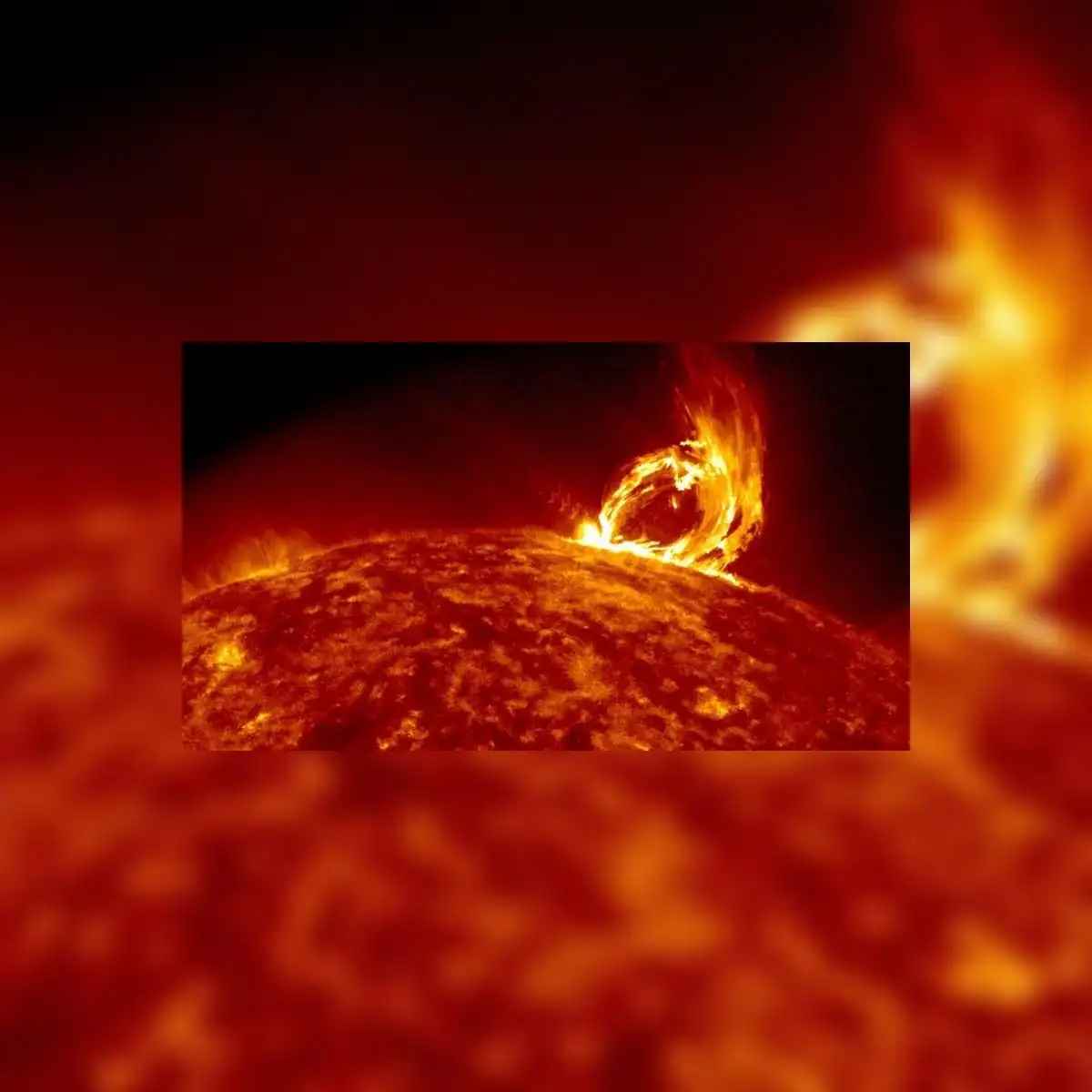
Space weather predictions
Understanding how solar explosions originate will allow scientists to improve prediction models for space weather. Space weather events can disrupt the operation of satellites, navigation systems, electrical power grids, and communications equipment on Earth.
Improved knowledge of solar activity will also help protect future space missions, where solar storms pose severe risks to astronauts and orbiting equipment. Researchers expect the discovery to aid the development of more accurate warning systems for extreme solar events.


