
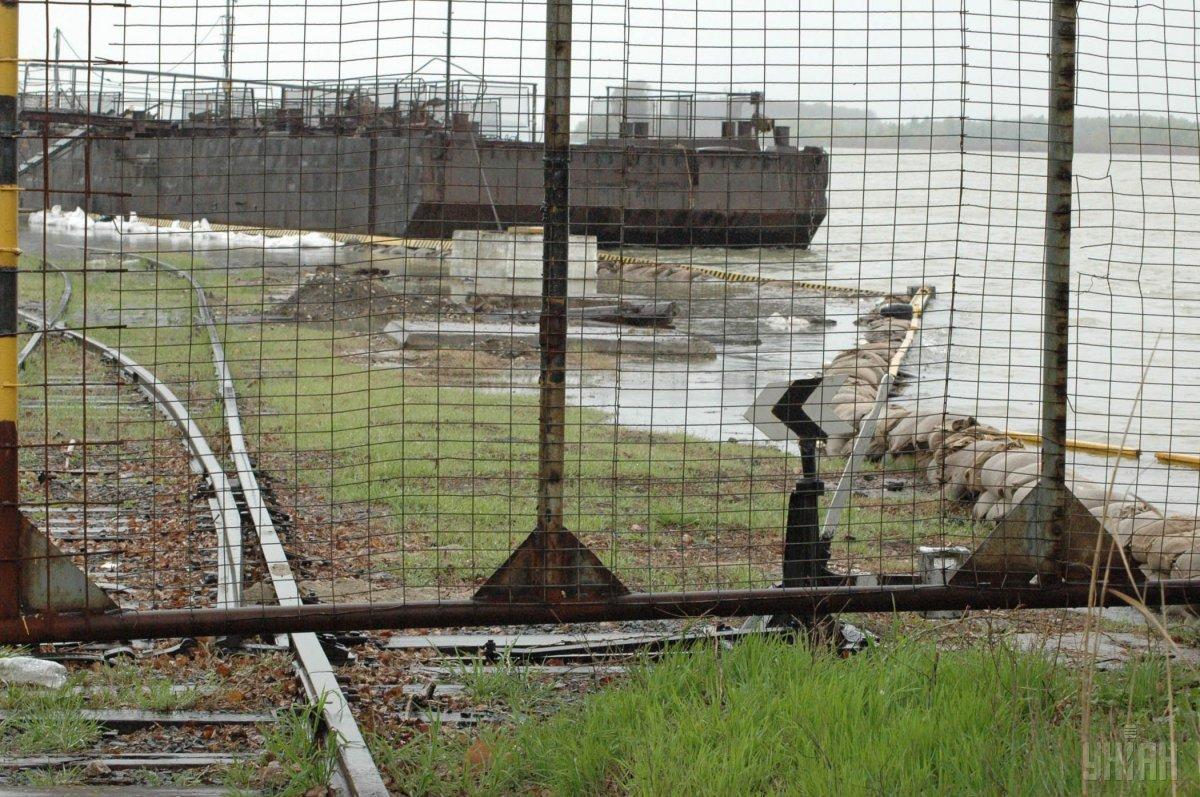
Romania sank four barges filled with stones in the Danube River on Thursday to redirect water toward its only operating nuclear reactor, Reuters reported. The river's flow dropped to a record low of 1,400 cubic meters per second, roughly one-third of its normal August average.
The state water management agency said it began a controlled sinking of the four barges one by one from 12:00 GMT to create a river barrier. Officials expected the impact to be noticeable within a day.
Cernavoda nuclear power plant shutdown risks
The two reactors at the Cernavoda nuclear power plant, operated by Nuclearelectrica, generate one-fifth of Romania's electricity. With one reactor already offline due to low turbine cooling water, drought affecting hydroelectric plants, and imports limited by regional shortages, Romania faces energy deficits. The government prepared a rolling blackout schedule for industrial consumers, though power cuts will not be needed for five to six days while the active reactor operates.
Nuclearelectrica may shut down the remaining reactor in five to six days if the barge barrier fails. If the maneuver generates excess water, operation could extend to nine or ten days. Authorities previously blasted rock earlier in the week to keep the reactor running.
ING Bank analysts called the government action an emergency response rather than an energy strategy, saying it creates no new generation capacity. Separately, expert Stanislav Ignatyev told UNIAN that critical water levels in Ukrainian reservoirs do not threaten Ukraine's nuclear power plants, which rely on a different operational principle.