

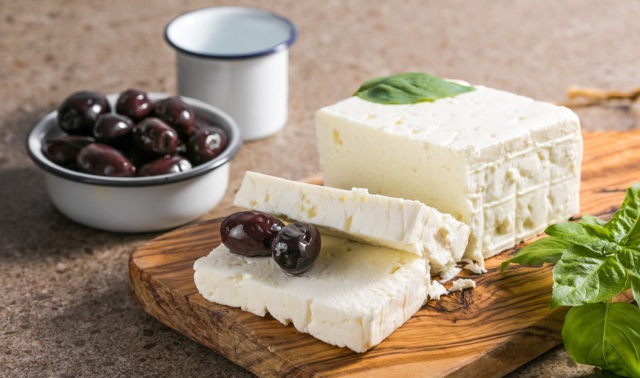
Greek feta cheese reserves might not last until the end of 2026, with prices expected to climb as high as 16 euros per kilogram due to a severe shortage of sheep's milk.
Two animal diseases and a shrinking livestock population have reduced sheep's milk production by an estimated 80,000 tons, creating a 20,000-ton deficit for feta cheese, an industry official said.
Michalis Sarantis, president of the National Interprofessional Organization of Feta, told the annual Panhellenic Exporters Association conference that it would take at least two years and significant effort for milk production to return to pre-pox levels.
Demand from foreign markets continues to grow, with feta exports rising by about 7 percent this year, further pressuring supplies.
Sarantis said the current price of feta ranges from 12 to 13 euros per kilo but could climb to between 15 and 16 euros.
Differentiating from white cheese
The price increases are pushing a significant portion of consumers towards cheaper alternative white cheeses, Sarantis said.
Feta has Protected Designation of Origin status in the European Union, meaning only cheese produced in certain regions of Greece using specific methods and proportions of sheep's and goat's milk can bear the name. Similar cheeses made elsewhere or with cow's milk are often sold generically as white cheese.
Sarantis said he plans to request more than 3 million euros a year from the Hellenic Agricultural Organization to promote feta and give it added value, helping consumers distinguish it from generic alternatives. He noted the sector contributes funds to the organization annually and has built up a reserve of about 70 million euros at the Bank of Greece.
Sarantis said industry colleagues had invested heavily and were at a good level, but that developing livestock and milk production was now required.
He said that any amount of feta produced would be sold as long as prices were manageable, stressing the need for biosecurity in farm units and knowledgeable breeders with vision.
Calls for government support
Beyond private sector efforts, Sarantis said the government must do more to assist farmers.
He said state agronomists should leave their offices and go out to the countryside to help raise production levels.
Christos Apostolopoulos, president of the Association of Greek Dairy Industries, highlighted another issue exposing tourists to generic white cheese.
He noted that regulations previously required a traditional Greek village salad to contain 50 grams of feta. This rule was abolished following the financial crisis and has not been reinstated by any government.
Apostolopoulos said he raised the issue not because there was a surplus of feta, but because tourists were being exposed to generic white cheese.