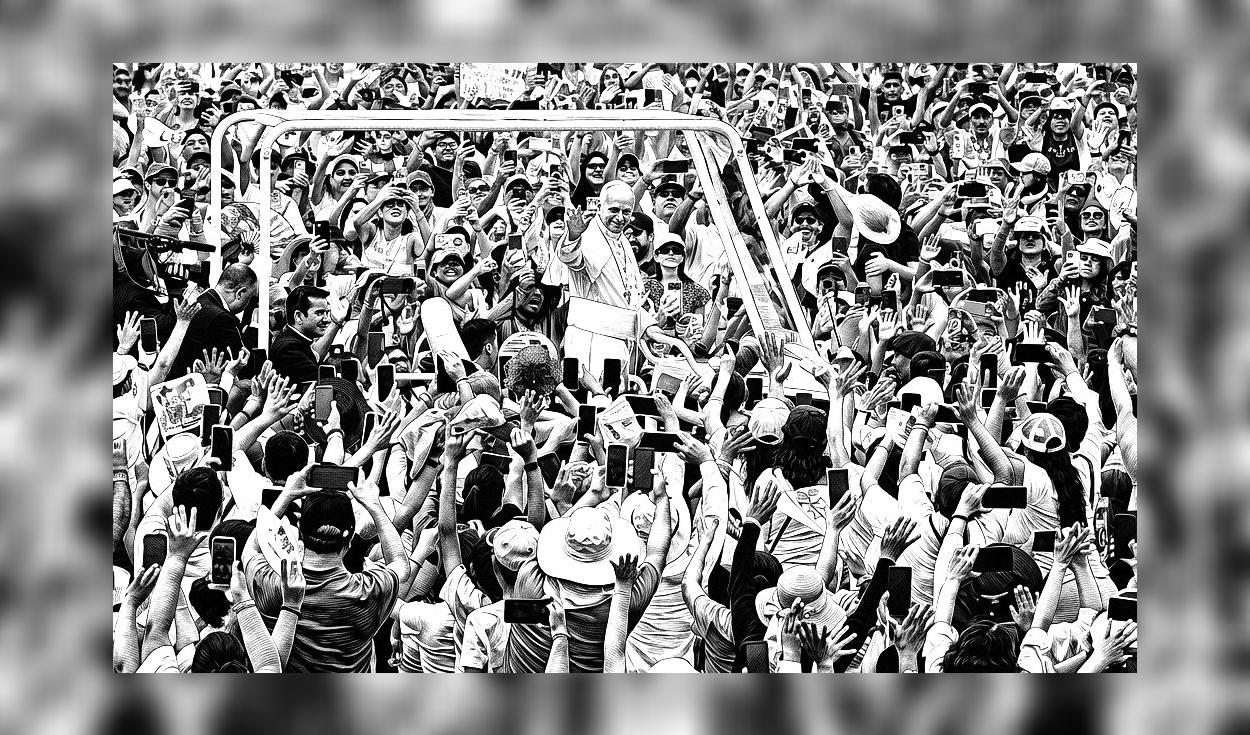
Peruvian columnist Hernán Chaparro wrote in a column published by La República on 22 November 2026 that the recent visit of Pope Leo XIV to Peru moved most Peruvians deeply, and that the emotional response went beyond anything said during the trip itself, resting on a bond built over years with the man known before his election as pontiff as Robert Prevost.
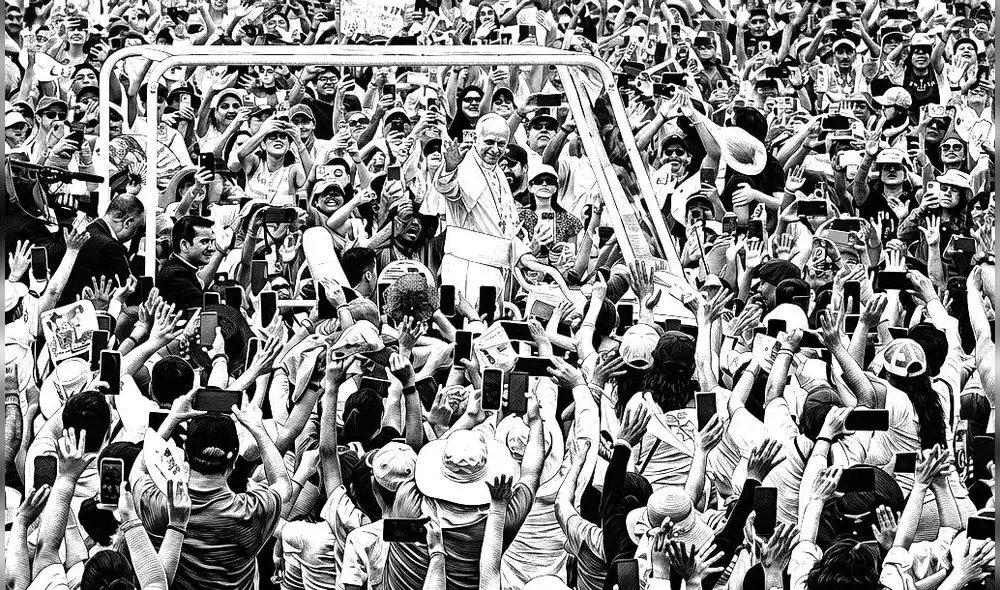
Chaparro argued the reaction cannot be explained only by the Catholic Church's standing in Peru. He noted that surveys consistently show the church holding far higher public trust than other Peruvian institutions, which is why it is often asked to mediate conflicts, at a time when state institutions have lost credibility.
A shared history with Peru
Citing research on Pope Francis's foreign trips, Chaparro wrote that studies have pointed to the importance of what some researchers call "biographical closeness" (Bohiques & Rivas Otero, 2020), meaning it matters whether a visiting pope and his hosts know each other and share lived experience. With Prevost, he wrote, Peruvians share a common history tied to significant moments, some experienced directly in cities such as Chiclayo, Callao, Trujillo and Cajamarca, and others followed indirectly through news coverage and social media.
Chaparro recalled that coverage of Prevost's election as pope, and of his recent visit, revisited moments when the priest walked alongside ordinary Peruvians' needs, particularly those of the most vulnerable. He listed Prevost's march calling for a Truth and Reconciliation Commission to be convened, his work during the COVID-19 crisis installing oxygen plants, his involvement in 2017 and 2023 in responding to the El Niño Costero floods and the Yaku cyclone, and his part in the Vatican's evaluation of the Sodalicio de Vida Cristiana over allegations of sexual abuse.
In each case, Chaparro wrote, the future pope's presence reflected commitment to citizens' demands rather than simply delivering Mass or sermons from a distant pulpit. He said that emphasising Prevost's Peruvian nationality crystallises a bond whose emotional weight goes beyond his identity documents.
A leader shaped by context
Chaparro also pointed to the interaction visible during the visit itself. Drawing on what he described as contextual leadership theory, he wrote that a leader is formed not only by personal qualities but by how those qualities connect with a specific place, situation and the people involved. What Peru witnessed, he said, was a combination of the pope's particular character and the way Peruvians live their faith and daily struggles, against a backdrop of institutional blindness and leaders who fail to connect with citizens' demands. Peru, he wrote, is a country thirsty for leaders with empathy.
'The Peruvian people are also my people'
According to Chaparro, the bond links a fervently believing population proud to welcome a Peruvian pope like one of their own with a figure he described as sensitive, who was changed by his years in Peru and who sought to build a relationship of reciprocity and respect to raise what he sees as matters of the common good.
Chaparro wrote that Prevost has repeatedly stressed what he received from Peruvians during his years as missionary, bishop and now pope, saying this experience consolidated convictions he had already been cultivating and that he has tried to return that affection to the faithful. He recalled Prevost saying that in Peru he was taught to be a bishop and that he has now learned, a little more, to serve as Successor of Peter. On his pastoral learning in Chiclayo and Zaña, Chaparro recounted Prevost saying that one night he asked God to teach him to be a pastor, and that looking back over the years since, he understood the people there had been part of God's answer to that plea, for which he wanted to thank them with all his heart.
Chaparro wrote that this empathy is what gives weight to Prevost's calls for justice and wellbeing for those who need it most, and it is what gives special meaning to his description of the Peruvian people as also being his own, and to his words expressing joy at returning to Chiclayo, together with his visibly moved expression at several points during the visit.
A contrast with Peru's politicians
Chaparro contrasted that relationship with the one between Peruvian citizens and many of the country's politicians, some of whom he compared to the biblical image of whitewashed tombs, figures whose words and actions diverge so far that keeping one's word is no longer a real concern. He concluded that the pope's visit left many messages, through what he did, what he said and what he continues to do.
About the columnist
Chaparro writes a regular opinion column for La República on Peruvian politics and public opinion.
Recent columns by Chaparro have examined political polarization linked to fujimorismo,
threats he sees to Peruvian democracy,
law-and-order messaging from candidates such as Rafael López Aliaga,
and the factors that shaped the recent municipal vote.
Test yourself
According to Chaparro, which Peruvian institution enjoys notably higher public trust than others?
What did Prevost help install in Peru during the COVID-19 crisis?
Which Catholic organization did Prevost help evaluate over sexual abuse allegations?