


The Sturgeon Full Moon will illuminate the sky on Friday, August 28, 2026, coinciding with a partial lunar eclipse that will see Earth's shadow cover 93 percent of the lunar disk. Peak illumination will occur at 07:18 Moscow time in the constellation of Aquarius, when the moon reaches the exact point on the opposite side of Earth from the Sun.

Full moons occur roughly every 29.5 days when the lunar disk becomes fully illuminated by sunlight. The August event marks the culmination of a monthly cycle that began with a waning moon from August 1 to 11, followed by a new moon on August 12 and a waxing phase from August 13 to 27. Following the full moon, the lunar disk will wane through August 31.
Viewing Times Across Regions

Observation conditions will vary significantly across different parts of the world. In Moscow and most of European Russia, skywatchers will struggle to observe the peak of the full moon and the eclipse simultaneously, as the moon will slip below the horizon by 07:18 Moscow time. Observers there can catch only the initial eclipse phases shortly before dawn, provided skies remain clear of clouds. Partial visibility is also expected in Kaliningrad Oblast if weather permits.
Across Russia, local times for the full moon on August 28 include 06:19 in Kaliningrad (UTC-1), 07:19 in Moscow (UTC+3), 09:19 in Yekaterinburg (UTC+5), 11:19 in Novosibirsk (UTC+7), and 14:19 in Vladivostok (UTC+10).
The fullest views of the eclipse will belong to observers in North America, South America, and West Africa, where all phases will be visible from start to finish. In Europe, observers will catch early morning views of the satellite turning a blood-red color as it enters Earth's shadow. Viewers worldwide can also watch live online streams provided by Time and Date and YouTube.
Celestial Objects and Saturn Visibility

While the intense glare of the blood-red moon and eclipse will obscure most fainter background stars, several bright celestial bodies will remain visible to observers equipped with binoculars or telescopes outside city lights. Saturn will appear close to the full moon, glowing with a distinct yellow light that will be visible to the naked eye under clear weather. Telescopic observations will reveal the planet's signature rings, though fine structural details will remain obscured.
Native American Origins and Wildlife Context
The name Sturgeon Moon is an unscientific designation handed down from Native American traditions. Indigenous tribes noticed that sturgeon were most easily caught in the Great Lakes of North America during this specific time of year following the August full moon.
Sturgeon are large freshwater and diadromous fish that have survived from prehistoric times as living fossils. Certain species can grow up to 3.5 meters in length, reach ages of 150 years, and require 20 years to mature sexually. Today, all 26 species of sturgeon face extinction risks, making the full moon's name a reminder of natural conservation needs.
Different Native American tribes used alternative seasonal names for the August lunar month based on their immediate environments. The Anishinaabe called it the Rice Moon, the Assiniboine referred to it as the Black Cherry Moon, and the Cherokee named it the Fruit Moon to mark ripening crops. The Cree designated it the Feathering Moon or First Flight Moon when fledglings learn to fly, the Dakota knew it as the Harvest Moon, and the Tlingit called it the Mountain Shadows Moon after the long shadows cast by peaks.
Native American communities named each full moon and lunar month according to lunar calendars, selecting terms that reflected animal behavior, weather patterns, and seasonal chores. These tradition-based names continue to be gathered and published by sources such as The Old Farmer's Almanac, the Alaska Native American Indian Tourism Association, and the Ojibwe Culture Preservation Project.
Traditional Names Across Cultures
Native American naming traditions span the entire calendar year:
- January: Wolf Moon, Cold Moon
- February: Snow Moon, Hunger Moon, Bear Moon
- March: Worm Moon, Eagle Moon
- April: Pink Moon
- May: Flower Moon
- June: Strawberry Moon, Hot Moon
- July: Buck Moon, Berry Moon, Salmon Moon
- August: Sturgeon Moon, Mountain Shadows Moon
- September: Corn Moon, Mating Moon
- October: Hunter's Moon
- November: Beaver Moon, Ice Moon
- December: Cold Moon
Other global cultures also named the August full moon after agricultural cycles and seasonal harvests. Anglo-Saxons knew it as the Grain Moon to mark cereal harvests, the Chinese designated it the Harvest Moon for active crop collection, and Celts called it the Dispute Moon, likely connected to the onset of the mushroom gathering season.
Esoteric Claims and Scientific Findings

Esoteric practitioners maintain that energy surrounding the full moon affects human psychology and physical health. They claim that the period creates vulnerability in the nervous system, leading to heightened anxiety, insomnia, and emotional sensitivity. Adherents caution that stress-prone individuals face increased risks of interpersonal conflicts, flare-ups of chronic cardiovascular conditions, and reduced attention spans that could elevate accident rates.
Those following esoteric traditions recommend practices such as energy cleansing rituals, meditation to perceive intuitive signs, completing ongoing creative projects, and expressing gratitude. They advise against making impulsive financial or personal decisions, ignoring bodily fatigue, or engaging in arguments, suggesting that new endeavors be postponed until a later phase.
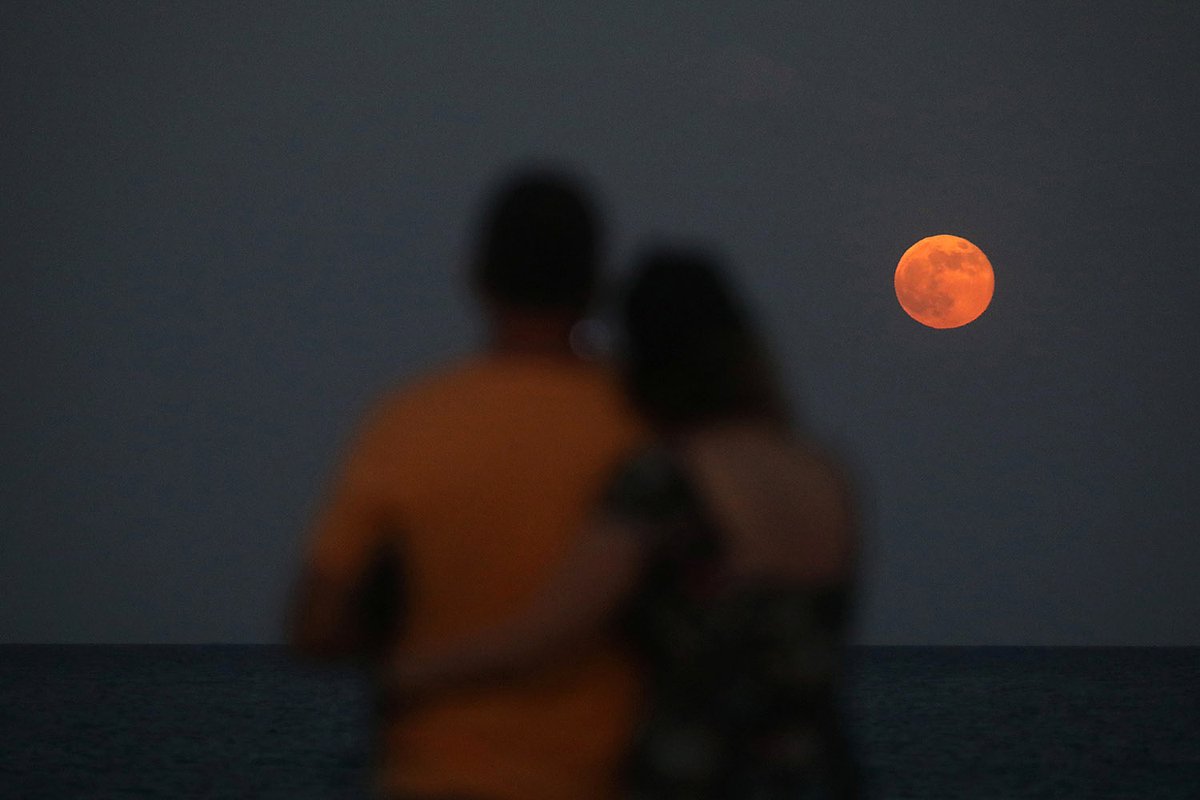
Mainstream scientific research does not support assertions that lunar phases influence human physiological or mental health. A 2014 study published in the journal Current Biology found no statistically significant relationship between lunar phases and variations in human sleep, behavior, or psychiatric health. Similarly, a research review in Frontiers in Pediatrics concluded that the full moon exerts no reliable effect on child physiology or psychology.
Future Full Moons and 2027 Schedule
Following the August 28 event, four additional full moons will occur in 2026, including two supermoons:
- September 26: Harvest Moon or Corn Moon
- October 26: Hunter's Moon
- November 24: Beaver Moon (Supermoon)
- December 24: Cold Moon (Supermoon)
In 2027, the Sturgeon Full Moon will take place on August 17, reaching peak illumination at 07:29 Moscow time.


