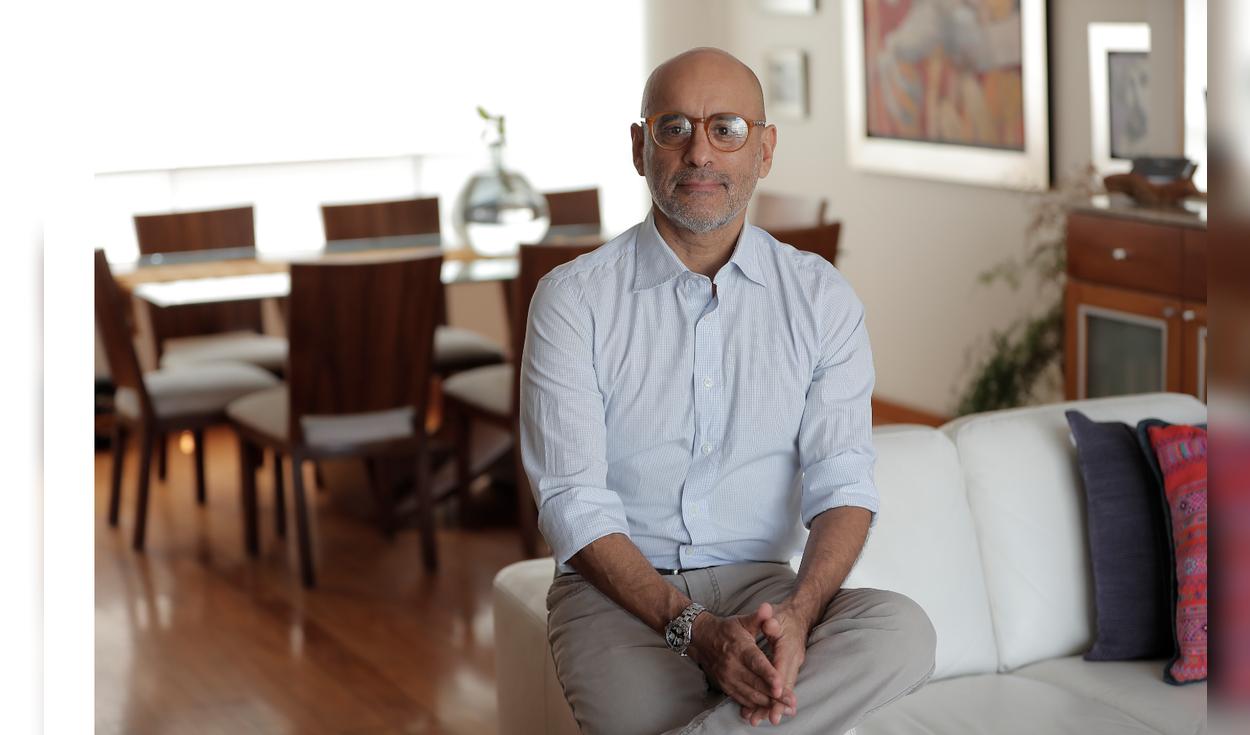
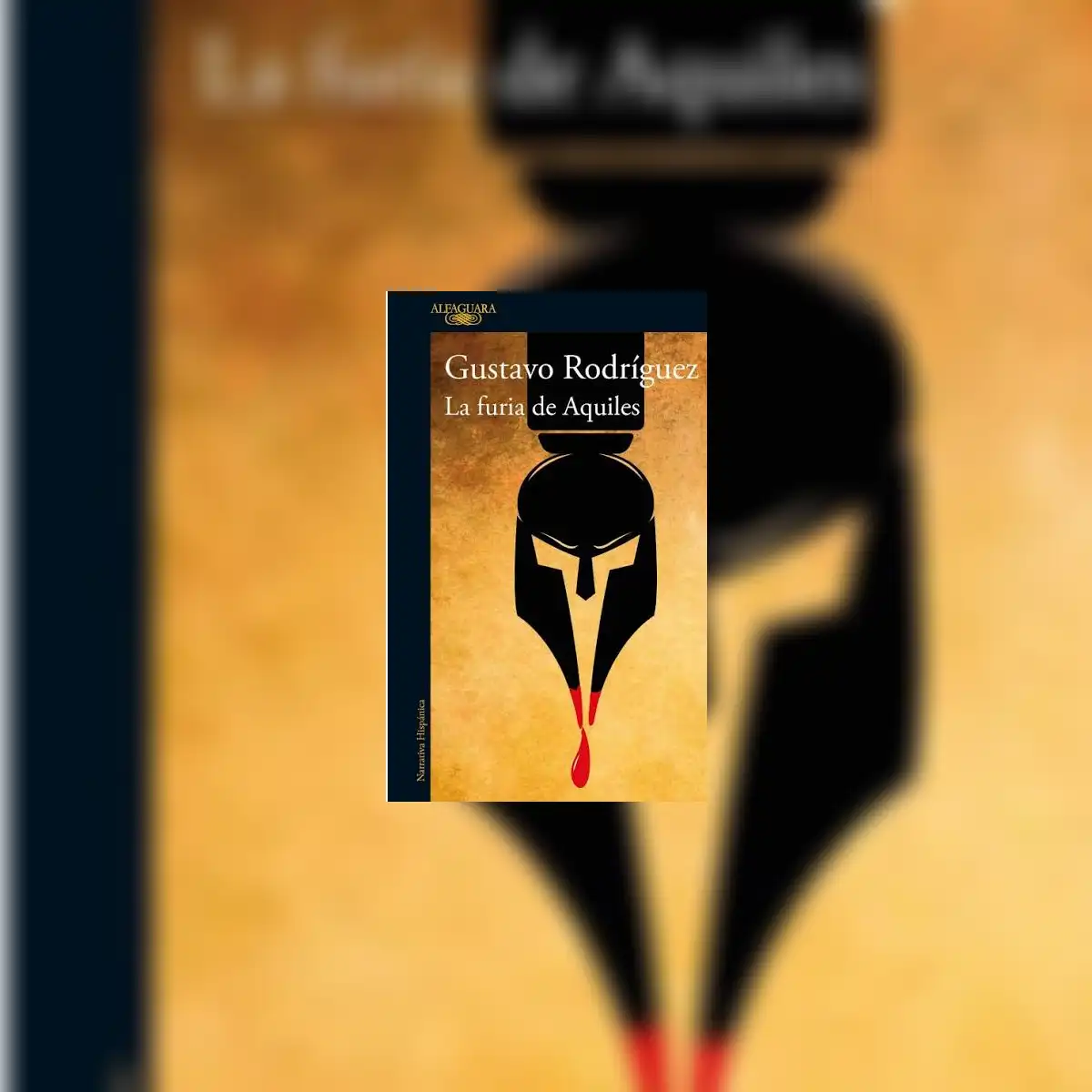
Peruvian author Gustavo Rodríguez, winner of the Premio Alfaguara de Novela for his book "Cien cuyes," spoke to La República about the 25th-anniversary edition of his debut novel, "La furia de Aquiles," originally published in 2001 by Alfaguara and now on a new reprint.
The novel follows Aquiles López, a middle-class young man who moves to Lima to study and build a professional life, and who faces prejudice as he experiences both success and failure. Rodríguez said the humor running through the book gives the character dignity.
Writing without expectations
Rodríguez said he set out to write the novel as a personal challenge, reconnecting with earlier stories from a volume called "Cuentos de fin de semana" and with the teenager who used to write on his father's typewriter. He said that at the time there were no creative writing workshops or master's programs in Peru, and no mentors, so he had to invent his own way of writing a novel. He said the best part of the book was that he had no aspirations or expectations, and simply followed his instincts.
A letter to his own character
The anniversary edition opens with a letter from Rodríguez to Aquiles López. Asked whether he is Aquiles López, he said he does not know to what extent he himself is not a character built for an audience, since he is a shy person who began writing because he disliked talking or opening up. He said the letter functions as one character addressing another.
He said what he is most grateful to the character for is realizing there was a coded message in his relationship with his father. He has worked on that relationship in real life, he said, but making Aquiles López an orphan in the novel, in effect killing off the father figure, reveals what he needed to process at the time. He said his novels accompany different stages of his life: Aquiles López and his friends are teenagers or young adults, while his most recent novel deals with elderly characters.
Humor and dignity
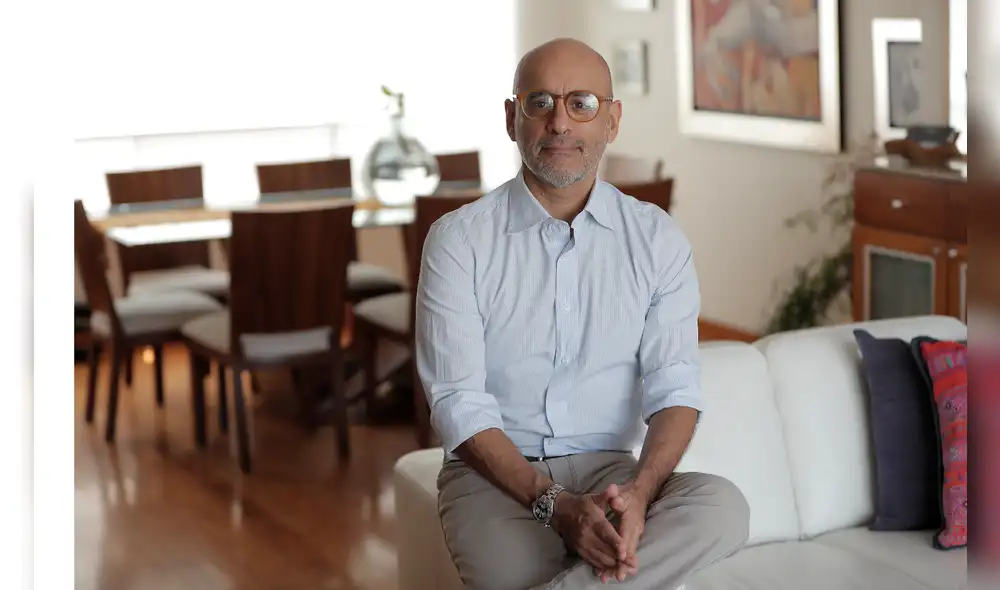
Rodríguez said not taking yourself too seriously is what guarantees dignity in daily conduct, because taking yourself too seriously risks making you an object of ridicule without realizing it. He said that flaw affects Peruvian literature and culture broadly. He said he is tired of pompous author photography and prefers to show the human side, including cracks and insecurities, which is why he favors antiheroes. He said that even when he worked in advertising, he avoided writing winning characters.
Many Aquiles Lópezes
Asked whether Peru is full of people like his protagonist, Rodríguez said society is full of Aquiles Lópezes, including himself, driven by insecurity and the pose adopted to fit in. He said that tendency has worsened since the novel was written, intensified by the internet and social media, which force people to always appear successful. He said Aquiles López is a loser because he pursues a version of success that does not serve him: an accumulation of money, possessions, attention and flattery. Real success, Rodríguez said, is having a genuine network of affection around you.
Dinner with his daughters
Asked what success means to him personally, Rodríguez said that whenever he returns from a trip, he messages his daughters to invite them to dinner, and they drop whatever they are doing to join him. He said it took him almost his entire life to realize what truly matters.
Asked whether his daughters are his anchor, he said they began building that connection for him and helped him overcome the cynic inside him. He said society is brutal and people sometimes play at being cynical to avoid being beaten down by it. With his daughters, he said, he learned that showing his emotions openly, without becoming overly sentimental, can be more rewarding, and that the same openness has been rewarded in his writing through readers' emotional responses.
On fame and the writer's role
Rodríguez said he was fortunate to make mistakes early, when he worked as an advertising executive and became vain under the spotlight at a young age. He said that experience taught him that no profession makes a person inherently valuable. He said he doubts readers who claim one of his books changed or saved their life, noting that a firefighter saves lives, but he is not sure a writer does.

"The figure of the writer has been devalued"
Rodríguez said that over the past 25 years, the figure of the writer has been greatly devalued, with almost anyone now calling themselves a writer. He said being a competent witness to events is not the same as being a true writer, since not everyone can move readers emotionally, create unforgettable characters or break new ground in language. He said that in an era that favors "what happens" over "how it happens," giving an instruction to artificial intelligence is, for some, already enough to be considered a writer. He said writers themselves have fed that trend, including through writing workshops that lead people to believe anyone can become a writer.
Rodríguez said he considers himself an eternal aspiring writer, adding that he doubts anyone would save one of his books from a fire, or choose to read him if they had only an hour left to live. He said this is why he feels such affection for his first novel, which he wrote purely on instinct, with no expectations of festivals or literary recognition. He said he aspires to remain a writer who does not need to prove anything to anyone, acknowledging that he says so from a position of privilege, since festivals do invite him.
A finalist for the Herralde Prize
Asked about an earlier remark that he may have constrained himself after the success of his debut, Rodríguez said he did not go through a dark period as a writer, but one in which he paid closer attention to the literary market. He said that did not mean he wrote bad novels: his second book, "La risa de tu madre," was a finalist for the Herralde Prize, written under the pressure of confirming a career in the craft. He said he now prefers to return to his roots and be, in his words, an animal that writes.
Dua Lipa's recommendation
Rodríguez also addressed singer Dua Lipa's recommendation of his novel "Cien cuyes" through her Service95 Book Club, which reaches close to a million followers. He said the recommendation surprised and moved him, and described Dua Lipa as an artist becoming a literary ambassador who recently curated the London Literature Festival. He said he is grateful for the reception from readers around the world and that he enjoys seeing literature rooted in popular culture well received without pretension, calling himself happy to be "a pop writer."
He said that description would have been impossible to embrace 25 years ago, when he wrote "La furia de Aquiles," in an era when writers were only taken seriously if they posed on a marble pedestal with books behind them for the photograph. He said that bias persists today.
Test yourself
What prize did Gustavo Rodríguez win for 'Cien cuyes'?
How many years old is 'La furia de Aquiles' in this anniversary edition?
Who recommended 'Cien cuyes' through her book club?
Where it happened
Lima, Peru