Former world judo runner-up Quino Ruiz has criticised the grants given to Spanish martial artists as laughable compared to funding for professional football.
The Spanish coach, who trains Olympic and world champions at his club in Brunete near Madrid, expressed frustration over the wide gap in financial support between football and other elite sports.
Ruiz explained that national judo competitors must adapt to a tight federation budget despite practicing one of the most physically demanding disciplines in international sport.
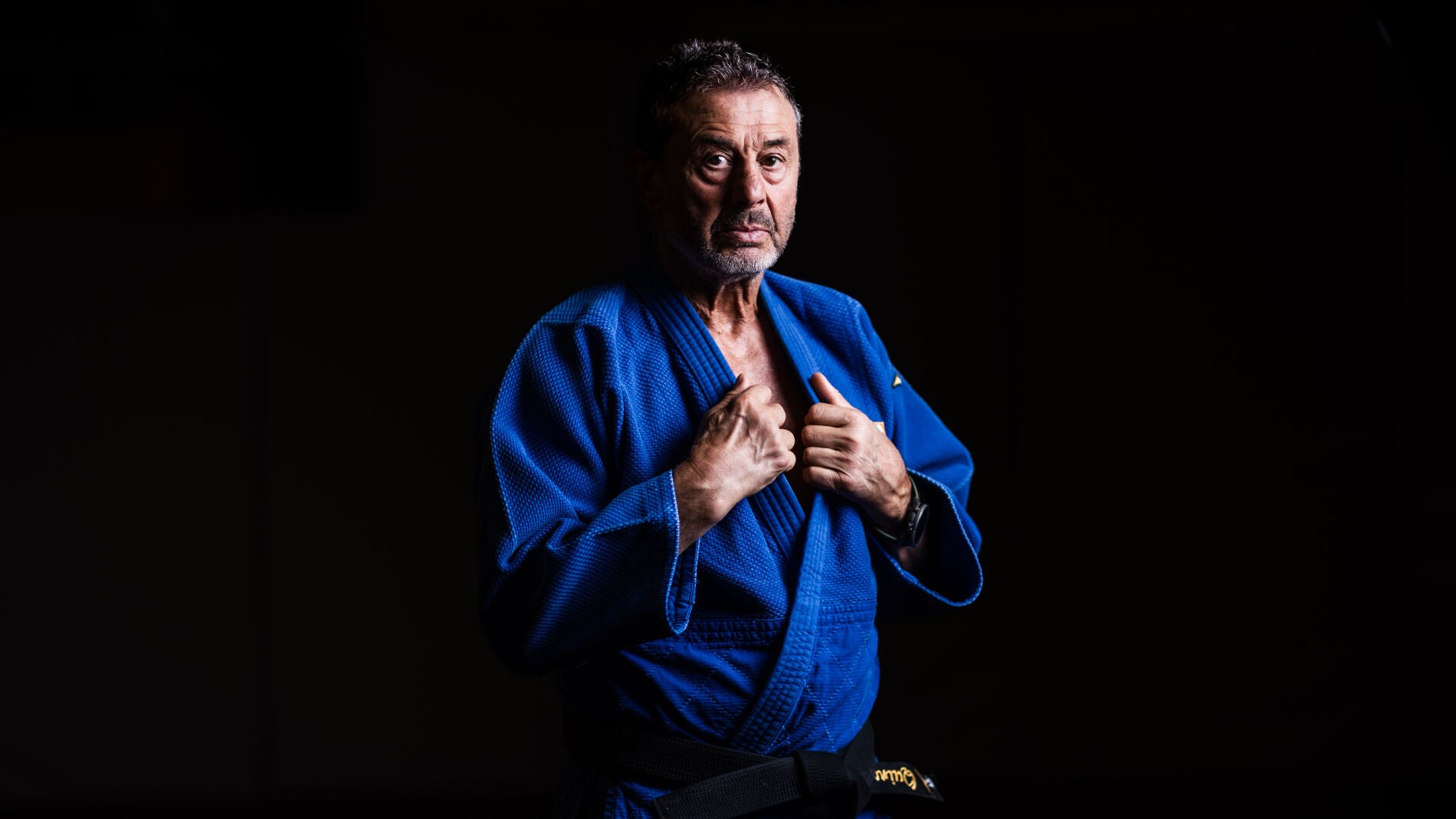
He noted that while matching the budgets of football, tennis, basketball, or golf is impossible, non-football athletes deserve significantly higher backing. He added that neither the economic rewards nor the social recognition given to judokas reflects the sacrifices made by young competitors.
Ruiz praised Alejandro Blanco, the president of the Spanish Olympic Committee, whom he described as a deeply admired figure fighting to dignify the profession. He said Blanco is working to secure Social Security coverage, standard worker insurance contributions, private healthcare, and retirement pensions for elite competitors.
Coaching Philosophy at Brunete Judo Club
Addressing suggestions that he is the most respected judo teacher in Spain and among the top coaches in the world, Ruiz insisted that personal ego is irrelevant to him. He stated that his primary concern is seeing his students achieve results that reward their hard work and dedication.
While acknowledging that professional recognition is gratifying, Ruiz emphasized the grueling nature of his routine. He explained that he spends long hours on the tatami managing various groups, noting that female judokas require different training methods and technical development compared to male judokas.
Ruiz added that despite the demanding schedule, his love for the sport makes the effort feel like a passion rather than work. He considers Dojo Quino Club de Judo in Brunete to be a family bound by a romantic philosophy toward athletic competition.
Characterising Spanish judo as a collection of exceptional individual talents across every weight class rather than a unified collective, Ruiz said success depends on surrounding oneself with like-minded peers. He noted that every athlete joining his Brunete gym arrives with the shared intention of winning and becoming the best.
Training World and Olympic Champions
Among the elite judokas training under Ruiz is Fran Garrigós, a world champion and Olympic medalist whom Ruiz described as one of the greatest athletes he has ever witnessed. Ruiz said Garrigós approaches every training session at maximum intensity, transmitting non-stop effort and pushing beyond his limits even when exhausted.
Ruiz also coaches Nico Shera, a two-time world champion in the 90-kilogram weight division who currently ranks third in the world in the 100-kilogram category. Ruiz praised Shera as the top judoka in the world in his weight class and expressed complete confidence that he will win an Olympic medal at the Los Angeles 2028 Olympic Games following two previous Olympic appearances without a medal.
A Self-Taught Competitive Career
Before establishing himself as a top trainer, Ruiz enjoyed a successful competitive career as a world runner-up, European champion, and three-time Olympian who earned an Olympic diploma. However, he admitted that failing to capture an Olympic medal remains a lingering regret.
Ruiz recalled competing at a time when judo was largely unknown in Spain and operated with minimal resources. He said his international achievements helped open the door for subsequent generations of Spanish competitors who realized they could also succeed on the global stage.
Describing the training methods of his era as rustic and rudimentary, Ruiz explained that athletes had to learn independently by travelling between clubs, observing others, and reviewing competition videos hundreds of times. He credited Master Lee, a pioneer Korean coach who arrived in Spain at a young age, as an influential reference for Spanish judokas.
Ruiz added that he developed his own style through constant movement, careful observation, and intuition because formal technical guidance was scarce. He noted that he often felt like an autonomous athlete moving between facilities during a period when many competitors focused solely on themselves.
Reflecting on his future in judo, Ruiz declared that he retains abundant passion for the sport, adding that he will step away and stay home the day he no longer feels that drive on the mat.