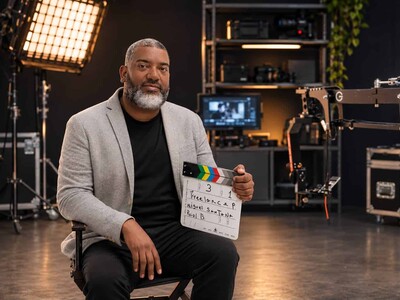
A new documentary titled "El Sistema Punta Cana" follows three children as they learn to play musical instruments, showing how their training reaches far beyond the classroom and into their family lives. The film is directed by Dominican filmmaker Miguel Ángel Santana Jiménez.
The production follows the students through three settings that make up their learning process: the classroom, the home and group rehearsals. Through these scenes, it shows that learning to play an instrument takes more than artistic skill. It requires consistency, patience, support from others and a willingness to work as part of a group.
The camera captures teachers giving instructions and children repeating a piece of music, along with moments when the students practice at home and discover how their individual instruments fit into a group performance. These everyday scenes let viewers see the progress, the setbacks and the satisfaction that come with the children's musical training.
Santana Jiménez said he wanted to tell a story that went beyond instruments and music classes. He said he wanted to show how the learning becomes part of the children's daily lives, how it affects their homes, and how support from families and teachers is essential to their growth.
Music learned at home
One focus of the documentary is the role families play in the children's musical education. According to the film, the learning does not stop when class ends. It continues at home, where practice and parental support become part of a routine that demands commitment.
This perspective brings out other benefits of music education tied to personal development and getting along with others. Santana Jiménez said music also teaches children to listen, to share, to be patient and to work as a team. He said the documentary aims to help audiences recognize the value of small steps that, over time, become major personal and collective achievements.
The film also traces the origins of El Sistema Punta Cana and presents some of the needs the center has in order to keep up its educational work and expand access to music training for children.
Santana Jiménez said it was important to give visibility both to the work of educators and to the support these kinds of initiatives need in order to continue. He said that behind every child who learns to play an instrument are committed teachers, families who provide support and an institution that needs backing to keep doing its work.
A different kind of project
For Santana Jiménez, the documentary marks a chance to explore a different kind of storytelling in his career. He said that with "El Sistema Punta Cana," he and his team took on the challenge of approaching a reality from a more human, documentary-style perspective, calling it an opportunity to observe, listen and tell a story that deserves to be known.
With this production, the director builds his narrative around observing everyday processes rather than focusing only on the final artistic result. His interest lies in showing everything that happens before the children manage to play a piece together, including listening, practicing, making mistakes and trying again.
A career in advertising and sports
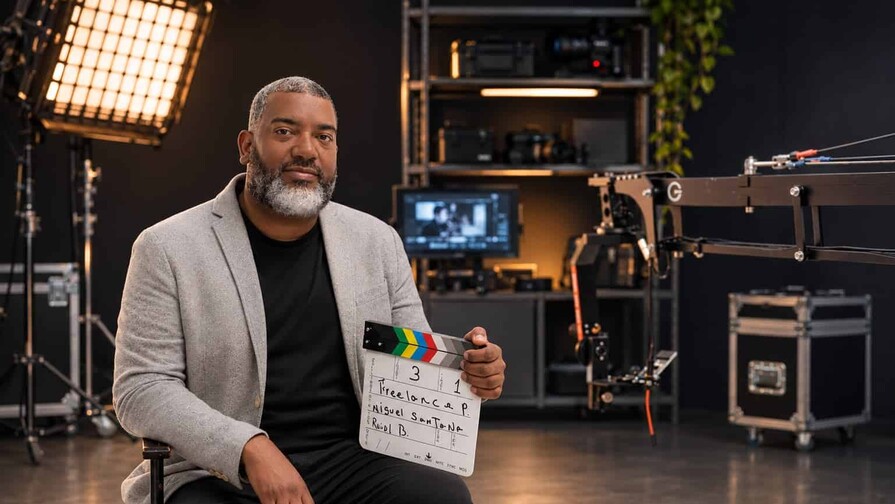
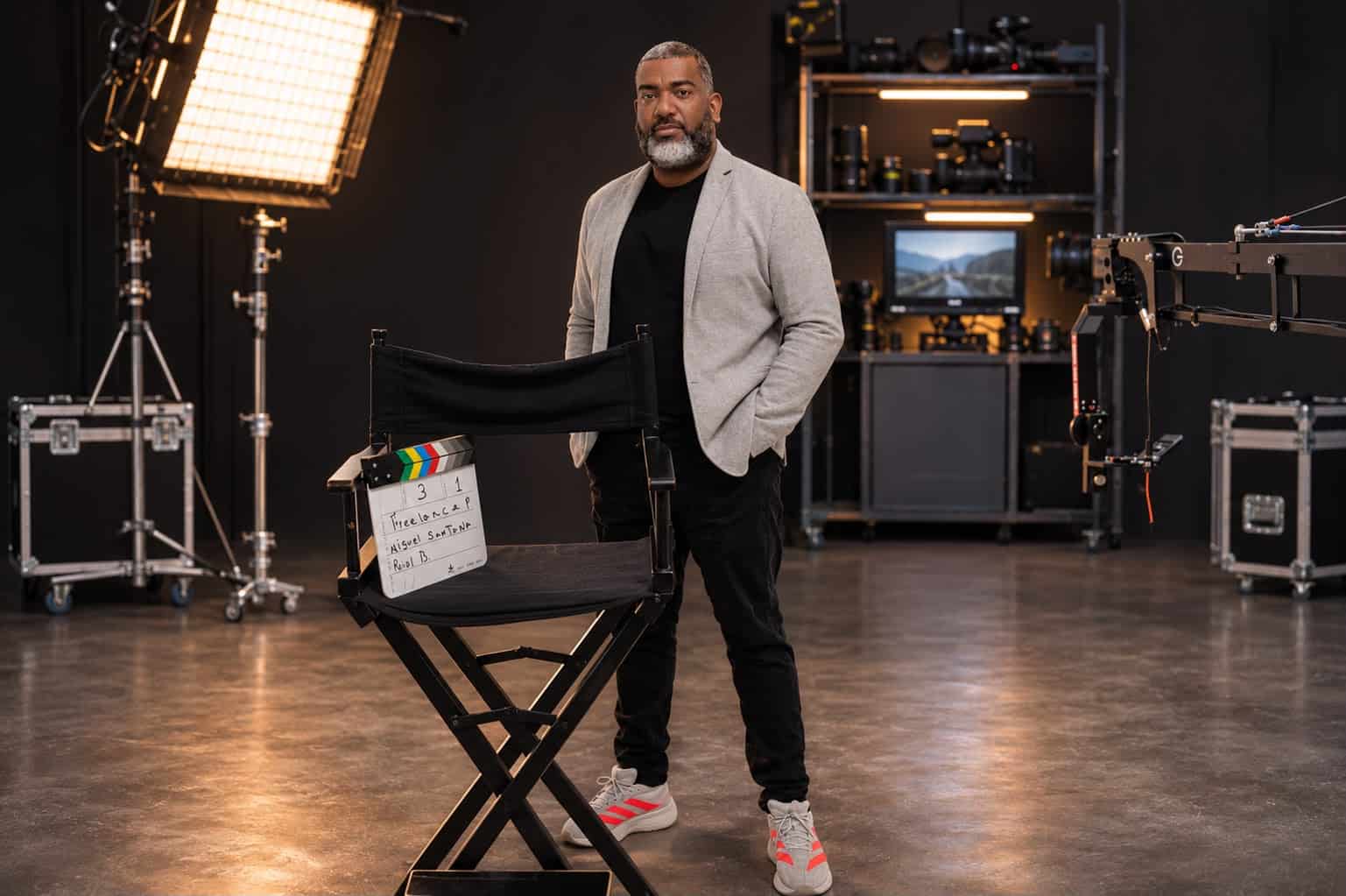
Miguel Ángel Santana Jiménez is a Dominican filmmaker trained in film at Congo Films in Bogotá, Colombia. His work spans directing, producing and audiovisual production for advertising, sports and institutional projects.
His credits include directing and producing the commercial "Around the World" for FedEx, as well as work on the audiovisual production of Terra Inferno, an event held in Cap Cana in 2021 whose coverage reached audiences through PX Sports México. He has also worked on projects and broadcasts linked to ESPN and Fox Sports México, with experience in multi-camera productions and live coverage of golf, polo, futsal and basketball.
Santana Jiménez is the founder of Mirrorless Films, a platform through which he develops his audiovisual projects and explores different ways of telling stories through film.
Test yourself
How many students does the documentary "El Sistema Punta Cana" follow?
What three settings does the film show as part of the children's learning process?
Where did director Miguel Ángel Santana Jiménez train in film?
Have your say
Do you think music education should be a required part of school curricula?
Where it happened
Punta Cana, Dominican Republic