US Treasury Secretary Scott Bessent unveiled Operation Economic Outcast on August 24 in a new bid to isolate Iran from global financial trade networks.
The campaign represents an effort to force Iran's trading partners to choose between maintaining commercial ties with Tehran and retaining access to the US financial system. Speaking in Washington, Bessent announced a limited set of immediate measures while leaving open whether the US will directly target major Chinese financial institutions and oil buyers essential to Iranian revenues.
The campaign comes as Chinese President Xi Jinping prepares for a scheduled visit to Washington on September 24. Imposing direct secondary sanctions on Chinese state entities risks provoking retaliation from Beijing and reigniting a bilateral trade conflict ahead of the summit.
Michael Parker, a former US Treasury official who served as an investigator and division chief at the Office of Foreign Assets Control, said Bessent's statements functioned primarily as a public warning to support private diplomacy. Parker told Radio Free Europe / Radio Liberty that Washington was offering major foreign players, including those in China, a window to adjust their behavior and save face before broader measures are enforced.
Parker added that the ultimate effectiveness of the policy depends on how far the US and its allies are willing to go against tier-one financial institutions. He noted that targeting the largest banks would determine whether the effort marks a true turning point in economic enforcement.
Sanctions targets and the China challenge
The US government has enforced sanctions against Iran for decades, but Tehran has consistently adapted by relying on front companies, intermediate brokers, shadow maritime fleets, and financial channels operating outside direct American jurisdiction. Federal officials claim that US agencies have now mapped every node, network, and broker utilized by Tehran to sell oil and bypass restrictions.
Sanctions experts emphasize that closing these remaining supply routes will be difficult without tackling China, which remains the principal purchaser of Iranian crude oil.
Bessent stated that the Treasury Department has identified specific entities continuing business with Iran and will grant grace periods of varying length for companies to end those operations. When asked about Chinese oil purchases, Bessent stated that no entity is beyond the reach of US sanctions, warning that any institution facilitating transactions that turn Iranian oil into revenue will be targeted.
Bessent added that any organisation facilitating money laundering on behalf of Iran will be cut off from the US dollar system, stating that the countdown has begun. He noted that US President Donald Trump is contacting foreign leaders to demand an end to commercial engagement with Tehran, though he did not specify whether Trump would speak directly with Xi.
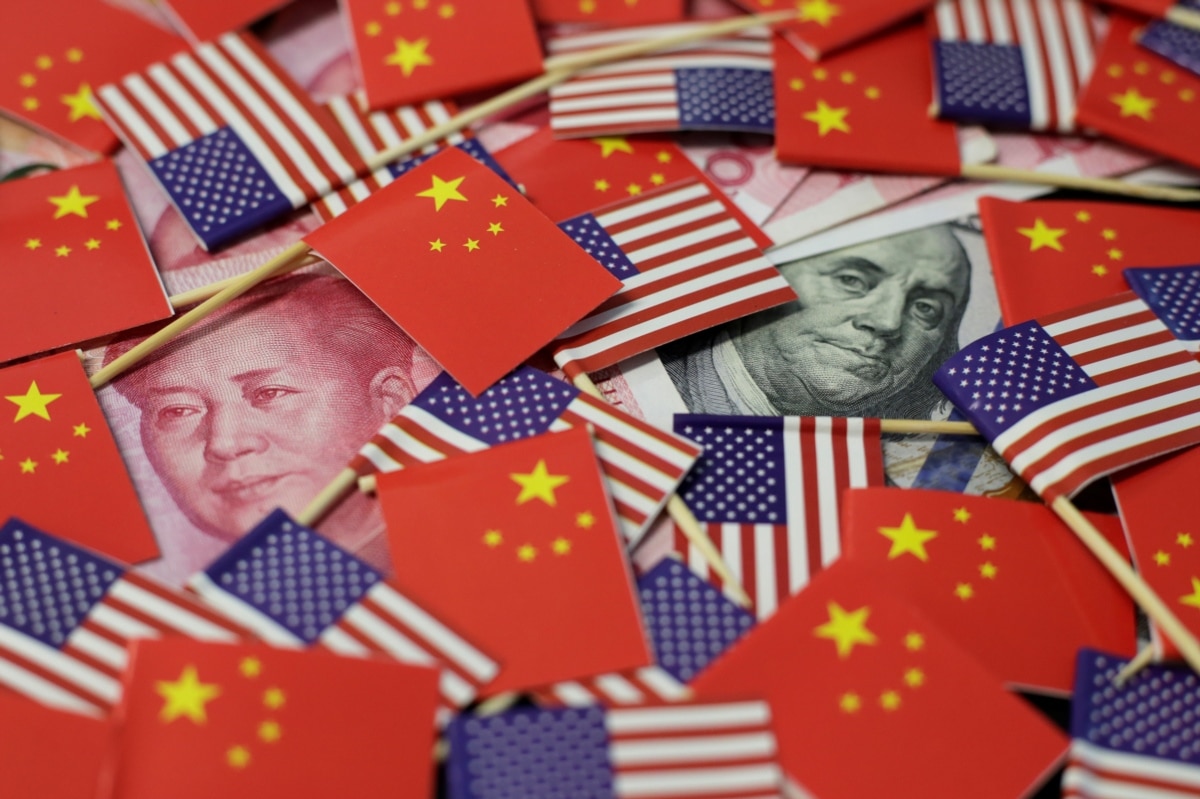
Financial market impacts and target institutions
Max Meizlish, a research fellow at the Foundation for Defense of Democracies and former official at the Office of Foreign Assets Control, noted that the Treasury Department sent warning letters in April to financial institutions in China, Hong Kong, Oman, and the United Arab Emirates. The notices warned of secondary sanctions if the institutions continued assisting Iranian evasion schemes.
Meizlish stated that stopping financial flows to Iran is impossible without confronting China directly. He highlighted China's Bank of Kunlun, which was blocked from the US dollar system in 2012, as a primary target that should lead the sanctions list. Meizlish described earlier US actions against the bank as mostly symbolic, adding that renewed sanctions could force its parent organisation, China National Petroleum Corporation, to sever ties with Iran.
The Chinese Embassy in Washington responded to the announcements by calling for diplomatic resolution. Embassy officials stated that sanctions and pressure do not assist in resolving the Iranian issue, urging all parties to act responsibly through political channels.
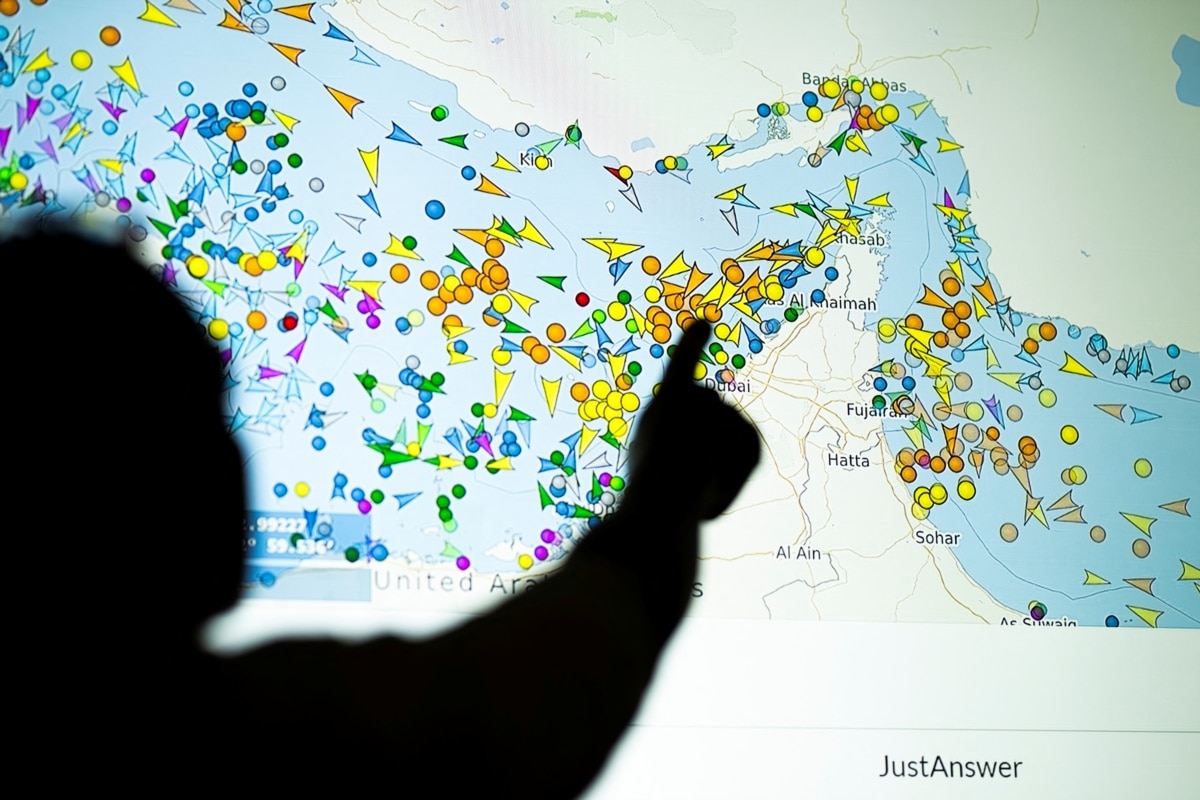
Meizlish noted that Bessent's public warnings serve to prepare global markets for potential financial shocks. International commerce has already suffered from major disruptions to oil, liquefied natural gas, and commodity transport through the Strait of Hormuz, alongside a spike in bond yields that has unnerved investors.
Risks of escalation and strategic goals
Jim Mullinax, a former State Department official who previously led the Office of Sanctions Policy and Implementation before retiring earlier this year, explained that the impact of bank sanctions depends heavily on which institutions are targeted. Mullinax told RFE/RL that China's four largest banks do not handle Iranian transactions because Beijing typically routes such trade through separate, specialized institutions.
Mullinax noted that this structural separation gives Washington room to penalize specific banks involved in Iranian commerce without disrupting the wider global financial system. However, he warned that Chinese retaliation remains likely if major banks are targeted, which could lead to wider escalation across international markets.
Supporting the decision to offer grace periods, Mullinax stated that shutting down financial channels is more valuable than freezing specific asset amounts. He added that diplomatic cooperation is preferable to imposing punitive measures on foreign institutions.
Regarding Washington's strategic objectives, Mullinax stated that the administration appears to view economic pressure as leverage to return Iran to negotiations over reopening the Strait of Hormuz, halting nuclear development, and ending support for regional armed groups.
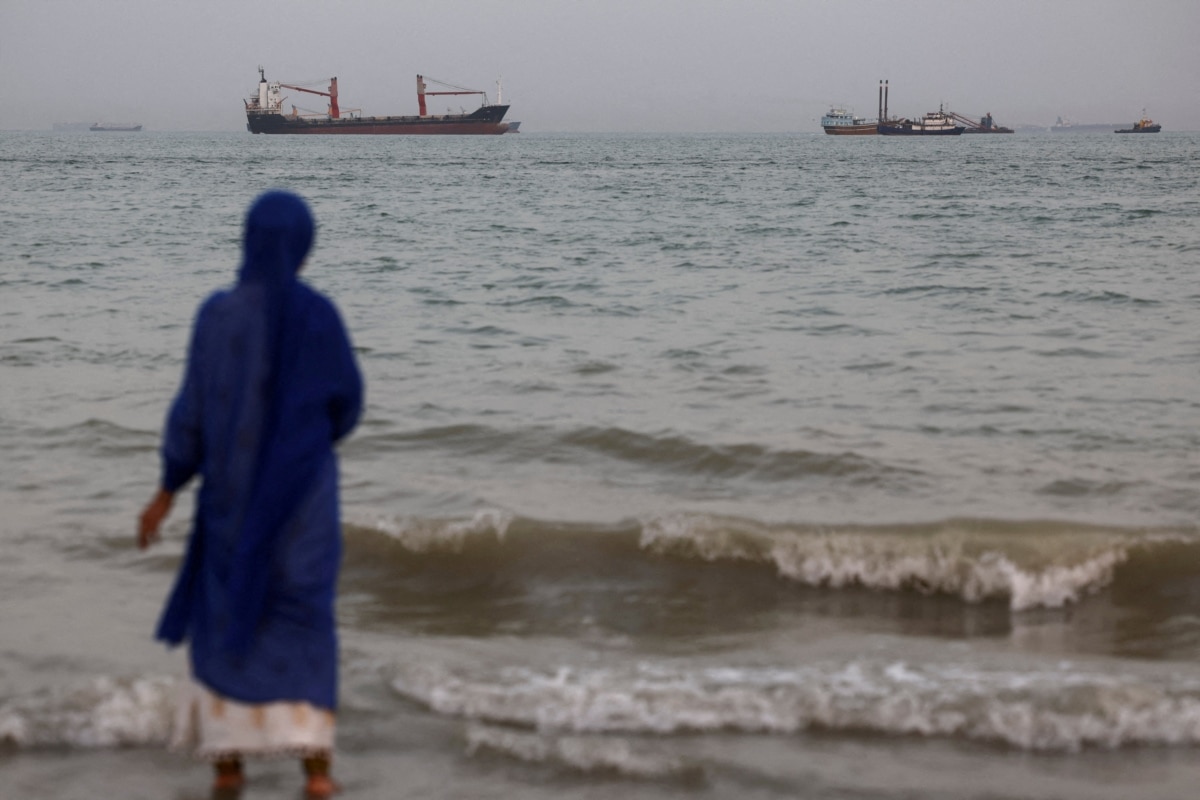
Mullinax warned of potential humanitarian and economic fallout, noting that severe trade disruptions already affect global markets and that civilian hardship is approaching. While international framework rules provide exemptions for humanitarian supplies such as food and medicine, Mullinax questioned whether the current administration would preserve those protections.
Mullinax concluded by questioning whether economic pressure can force political concessions from a regime accustomed to operating under sanctions. He noted that while Tehran faces severe internal strain, it retains the ability to inflict economic disruption on global trade, leaving the ultimate success of Operation Economic Outcast dependent on whether Washington is prepared for a broader financial confrontation with China.