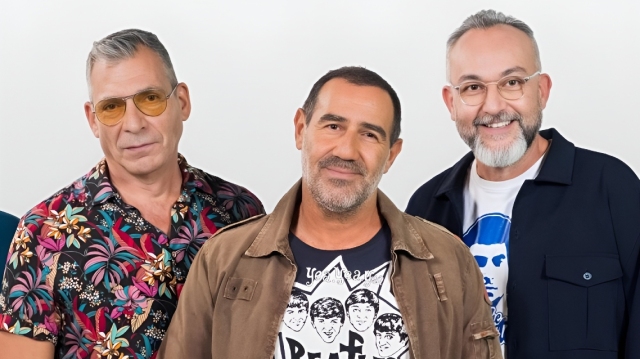

Spanish journalist and columnist Manuel Lopez Sampalo has proposed creating an official regional holiday in Catalonia on October 1, featuring satirical pilgrimages, police clash reenactments and the return of bullfighting to Barcelona. Writing from Cadiz on September 30, 2026, Sampalo suggested formalising the anniversary of the 2017 illegal Catalan independence referendum into a traditional festival.
Sampalo argued that nine years after the vote took place, the date has become a fixed fixture on the political calendar for supporters of Catalan independence. He proposed launching the official regional holiday next year in 2027 to mark the tenth anniversary of the referendum.
The columnist stated that October 1 has joined other major dates for the nationalist movement, comparing its significance to the Diada celebrated on September 11 or the birthday of former regional president Jordi Pujol on June 9. He wrote that looking back with perspective, the broader Catalan independence process has been reduced to a folkloric pantomime, a nationalist pilgrimage and a traditionalist small scale coup d'etat with elements resembling a film by Spanish director Luis Garcia Berlanga or a novel by Eduardo Mendoza.
A satirical breakdown of the independence movement
In his column published by 247 News Agency, Sampalo likened the independence movement to a syncretic regional festival combining equinoctial paganism with populist religiosity. He claimed the movement already possesses its own elements of popular celebrations, including holy martyrs, a patron saint, formal processions and regional dances.
Sampalo identified former civic leaders Jordi Sanchez and Jordi Cuixart, alongside the Catalan public subjected to police action, as the holy martyrs of the celebration. He designated former regional president Carles Puigdemont as the patron saint under the name Saint Carles Puigdemont, while describing older female supporters and Esquerra Republicana de Catalunya activists wearing neck braces and showing broken fingers as the queens of the festival.
The columnist further described a secular procession of people walking down Las Ramblas in Barcelona singing that they are people of peace, decorated with estelada flags and yellow ribbons. He noted a nine day period extending from the Feast of La Merce on September 24 to October 3, marking the date King Felipe VI delivered a televised address to the nation.
Sampalo also highlighted floral offerings presented to the Mossos d'Esquadra police force instead of the traditional monument to Rafael Casanova, alongside regional dances such as the sardana. He defined a modified variation called the sarvalo, which he described as dancing a sardana while national police hit participants with batons.
The author added that the festival includes gastronomic offerings such as calçotadas and cold tomato soup contests featuring porra antequerana, washed down with traditional ratafia liqueur. He remarked that the only missing element was a human tower crowned by former regional vice president Oriol Junqueras, claiming organizers lacked the courage to attempt it.
Proposals for an official regional pilgrimage
To establish the event officially, Sampalo proposed a nationalist pilgrimage to the Santa Maria de Montserrat Monastery located on the mountain near Barcelona. He cautioned participants to take care during the steep climb to avoid falling off the path.
The columnist compared the suggested journey to the annual pilgrimage undertaken by residents of Andujar to the Sanctuary of the Virgin of the Cabeza in Andalusia. However, he suggested that instead of offering flowers to the Virgin Mary, participants should pay tribute to former Catalan parliament speaker Carme Forcadell smudged with soot while riding Catalan donkeys rather than traditional oxen and mules.
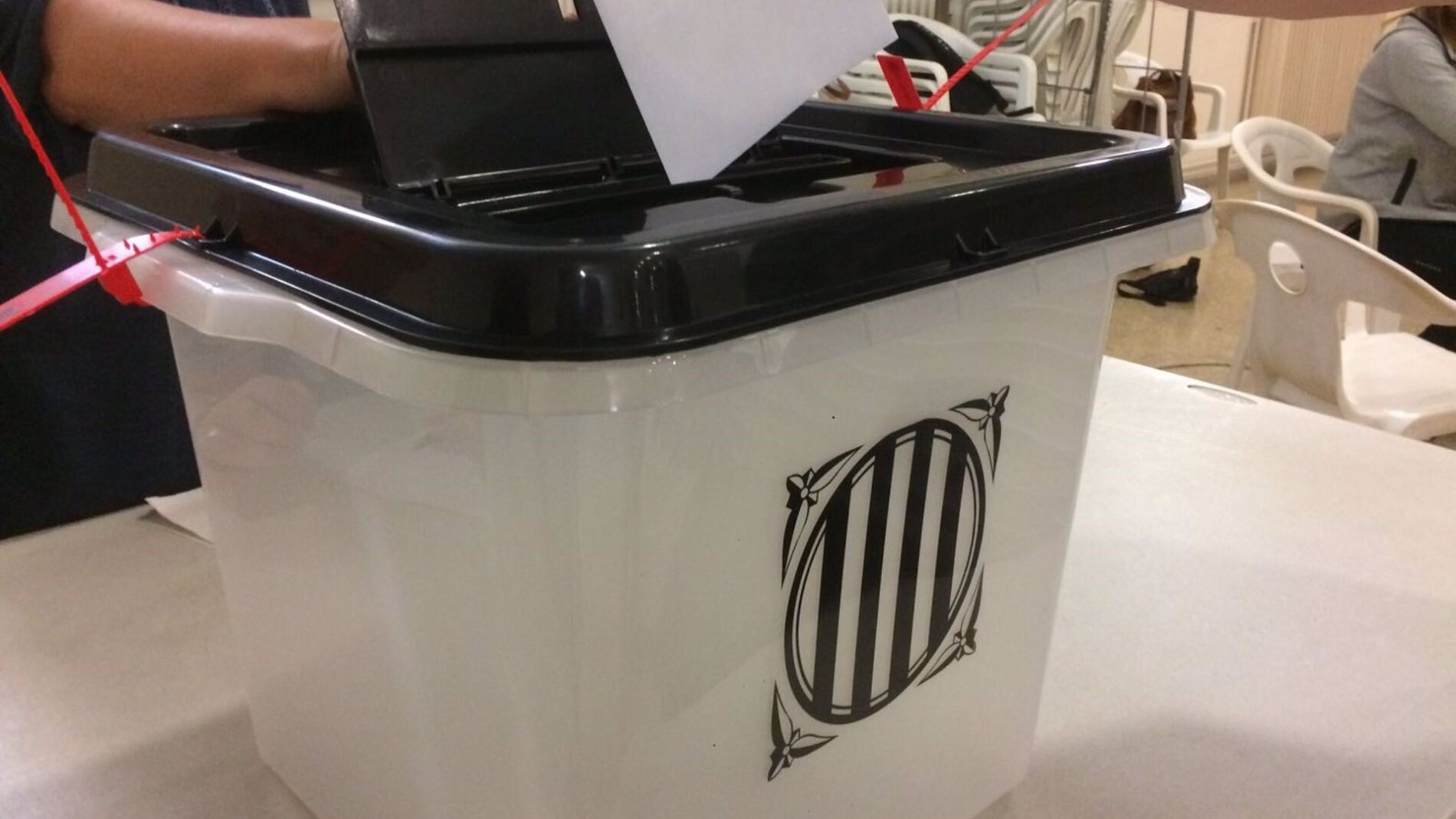
Sampalo also proposed a historical reenactment depicting clashes between police officers and voters attempting to cast ballots in plastic urns imported from China. He suggested structuring the performance after the traditional Battles of Moors and Christians held in the eastern Levante region of Spain.
A guided tour of independence movement landmarks
The column outlined a guided tour covering key locations associated with the 2017 referendum events. The first stop would be the entrance to the Catalan Ministry of Finance, where protest leaders climbed atop vehicles belonging to the National Police Economic and Financial Crime Unit to block officers from exiting.
A second stop would visit the entrance to the Parliament of Catalonia, commemorating the brief declaration of independence that was proclaimed and immediately suspended. Sampalo characterized this moment as representing the movement's abrupt interruption.
The tour would also include the Port of Barcelona, where Sampalo proposed that the Spanish Legion could disembark from a replica of the cruise ship featuring the cartoon character Tweety Bird, mirroring their traditional Holy Week landing in Malaga. The vessel had been used by Spanish authorities in 2017 to house police reinforcements deployed to Catalonia.
Sampalo suggested that television journalist Jordi Evole could act as a festival town crier, walking through the streets showing tablet videos of police actions against voters. He compared this role to early twentieth century bohemian poet Pedro Luis de Galvez, who visited bars in Madrid carrying his deceased child in a box to solicit money.
Musical performances and cultural events
The columnist proposed a varied musical lineup for the festival, featuring performances by popular Spanish music acts. The suggested concert poster includes Catalan pop duo Estopa, a tribute band for rock group Jarabe de Palo, and rock group Leno.
The lineup would also feature post-punk band Golpes Bajos, singers Bertin Osborne and Jose Manuel Soto as the headlining act, and a rociero choir from Huelva performing the song A por ellos dedicated to the Civil Guard. Sampalo additionally proposed a collaborative performance of the song Soy español featuring Catalan rapper Valtonyc, who moved to Belgium following legal proceedings in Spain.

The return of bullfighting to Barcelona
As part of the proposed regional celebration, Sampalo called for the reinstatement of bullfighting at the Plaza Monumental in Barcelona. He noted that the anniversary comes fifteen years after the final bullfight took place at the venue in September 2011, following a regional ban passed by the Catalan parliament.
Sampalo recalled that the final bullfight at La Monumental featured matador Serafin Marin wearing a cape styled after the Catalan senyera flag, with politician Albert Rivera watching from the stands. For the new festival, he proposed a solo performance by matador Morante de la Puebla facing six bulls.
The proposal suggests that radio presenter Carlos Herrera, who spent his youth in Mataró, could watch from the alleyway while smoking Dominican cigars. Sampalo concluded by suggesting the entire bullfight should be dedicated to former regional president Carles Puigdemont as the presiding guest of honour, stating that in the absence of independence, fighting bulls from the Nunez del Cuvillo ranch would serve as an acceptable alternative.