


Rafael Pampillón, a professor of economics at Universidad CEU San Pablo in Madrid, said jobs at Spanish car maker SEAT appear secure even as parent company Volkswagen Group presses ahead with a global restructuring that includes cutting around 100,000 jobs. He made the comments on the Spanish radio programme La Linterna, broadcast on COPE.
Pampillón was interviewed by host Ángel Expósito and Pilar García de la Granja, director of Mediodía COPE, in the programme's economics segment, Clases de Economía. The discussion focused on the future of SEAT and its main Spanish plant in Martorell, near Barcelona.
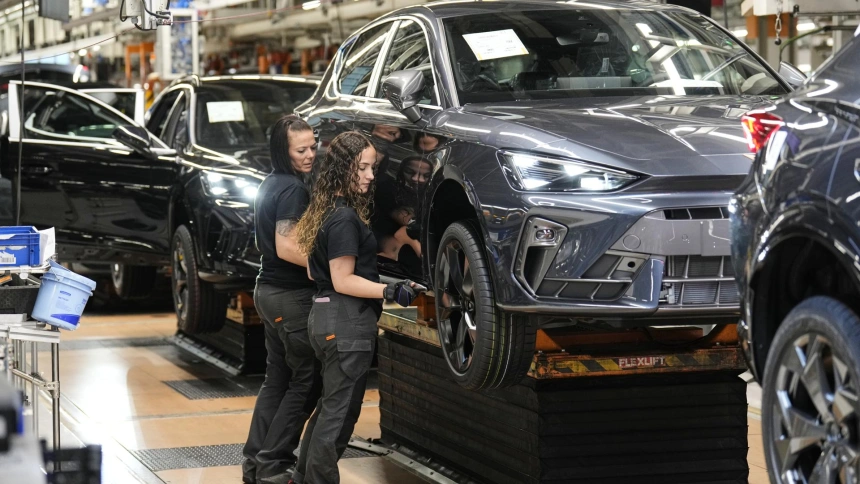
Volkswagen Group's factories in Spain sustain 13,000 direct jobs and around 100,000 indirect ones, and SEAT's Spanish activity, centred on Martorell, is equivalent to 1% of the country's gross domestic product, according to the programme.
Job guarantees at Martorell
The German parent company has not raised the prospect of closing SEAT, and Spanish authorities and unions are confident that industrial activity will be preserved as the historic brand transforms and invests in electric vehicles.
Matías Cárdenas, president of SEAT's works council, said the company is offering permanent contracts in 2026 and could keep expanding its workforce in 2027. That stands in contrast to Volkswagen's plan in Germany, where the company intends to cut 50,000 jobs by 2030.
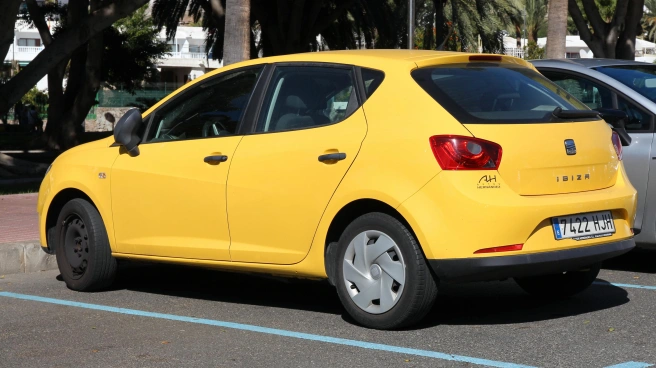
Pampillón said that as long as employment holds, which he said appeared guaranteed, the important thing was that jobs were preserved. He said analysts broadly agreed that protecting employment at the factories was the priority, adding that job guarantees appeared to extend beyond 2030.
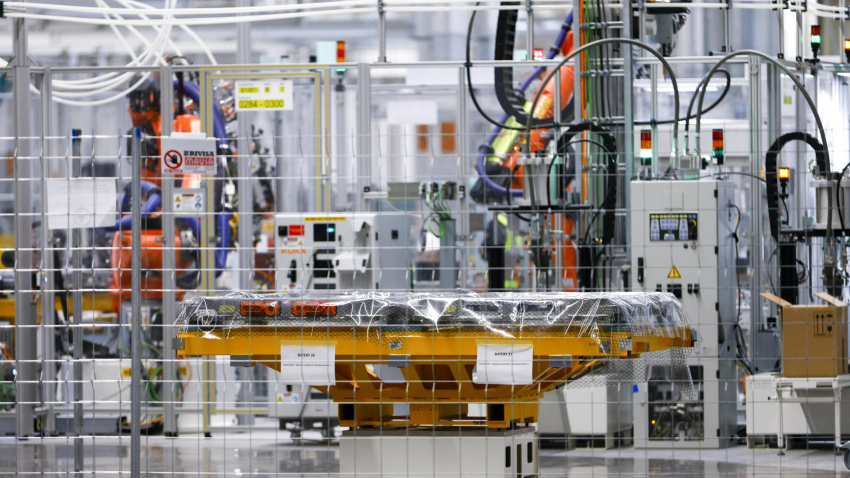
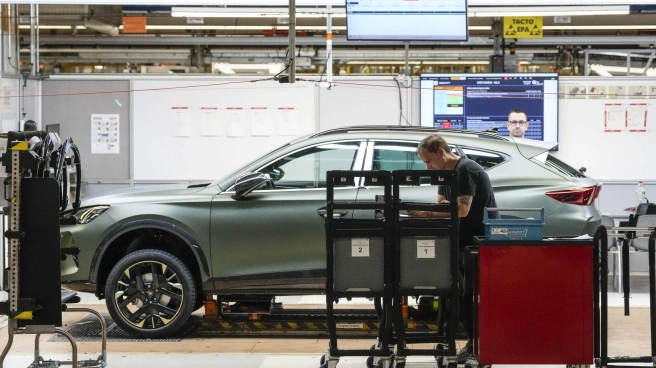
He described the Martorell plant as a large, highly automated and modern factory that has already undergone extensive retrofitting to electrify car production.
Pampillón also noted that Volkswagen's Cupra brand, which grew out of SEAT, now outproduces its parent brand, with about 330,000 units a year compared with 260,000 for SEAT. He pointed to SEAT's sentimental value as part of Spain's history and collective memory, but said the main focus should remain on sustaining the plant's workload.
Electric transformation and investment
García de la Granja said SEAT employs almost 15,000 people directly, with gross annual salaries ranging between 32,000 and 45,000 euros, on top of the roughly 100,000 indirect jobs the company supports.
Answering questions from García de la Granja about the outlook for the Spanish plants, Pampillón said production lines would replace traditional models with vehicles such as the Volkswagen Polo and other electrified models, which he said had already been in production for two months.
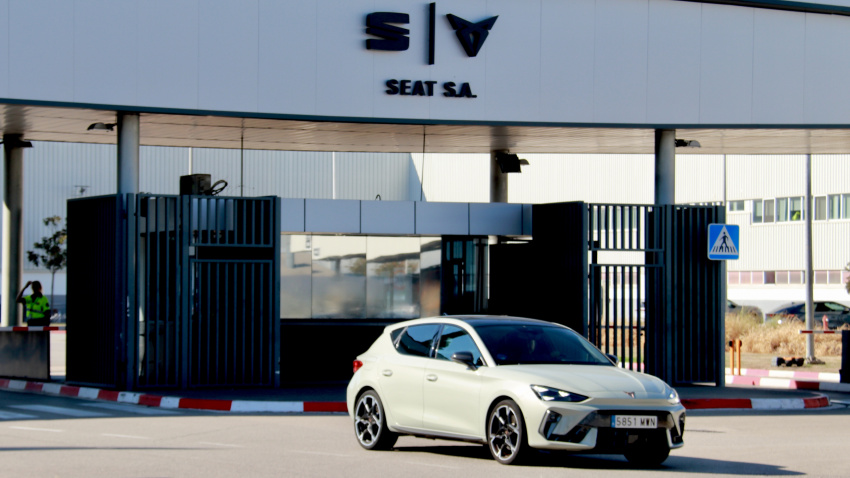
He said the Martorell site had received 3 billion euros in investment to remodel the factory and electrify its entire production. He said demand was moving toward electric vehicles as manufacturers try to compete with Chinese rivals, since electric cars do not use petrol or diesel and consumer demand for them keeps rising.
The challenge from Chinese carmakers
Eduard, a worker at the SEAT plant in Martorell, said hiring through temporary employment agencies was increasing, and that whether at Cupra or SEAT, workers wanted to keep quality jobs.
Asked about Volkswagen's global announcement of around 100,000 job cuts, Pampillón said it was a symptom of strict European Union regulation combined with the advance of Asian manufacturers. He cited Chinese brands BYD and Chery, which he said produce hybrid and plug-in electric vehicles at lower cost.
"They have software companies that make cars, and we have mechanical companies that make cars," Pampillón said, describing the gap in competitiveness.
He warned that Chinese companies control the entire supply chain, including rare earths, batteries, software and sensors, and that the Asian sector competes with the advantage of state aid. Pampillón said technological adaptation at factories such as Martorell was essential to sustaining Spain's industrial base.


