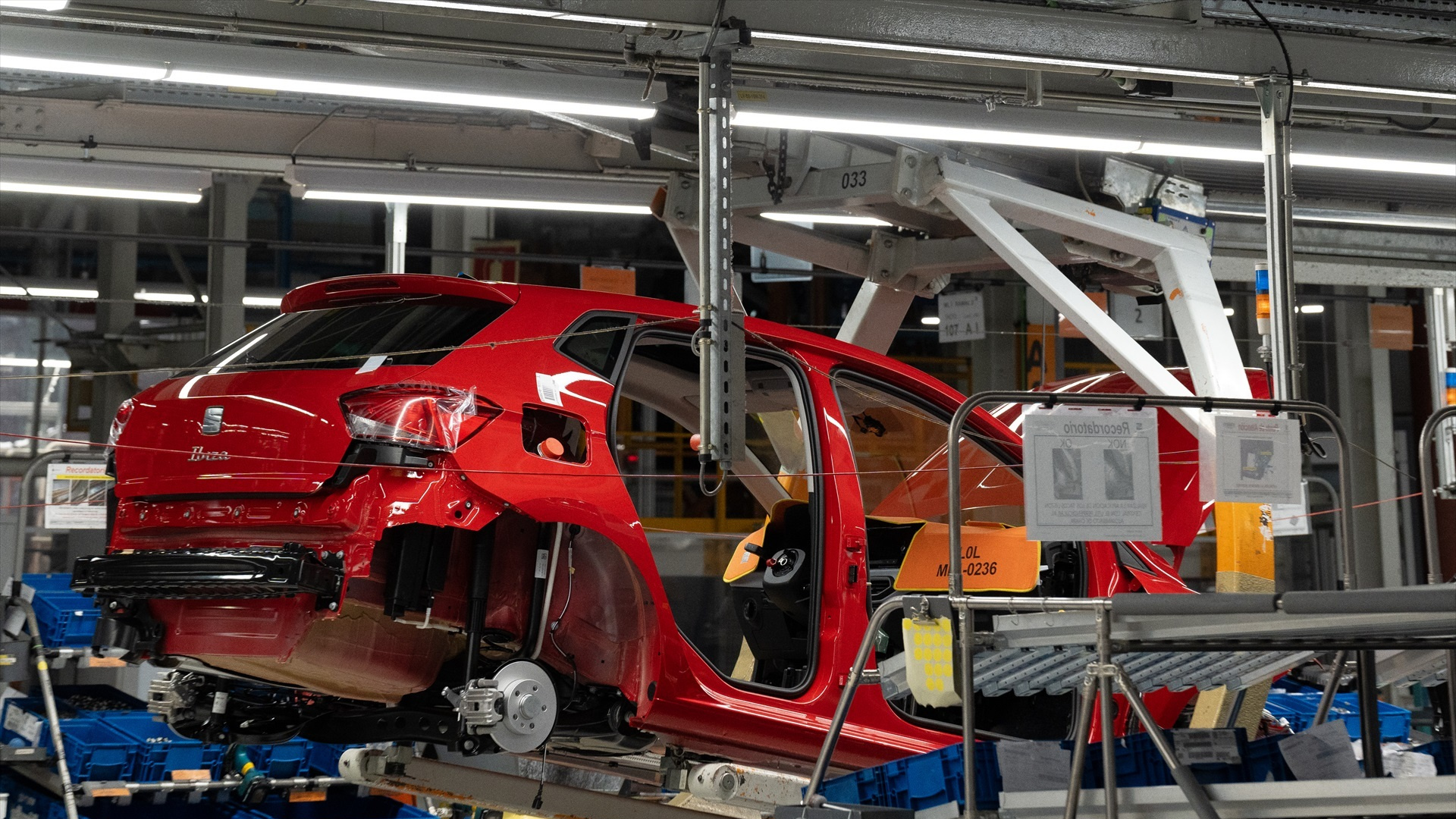
German economic publication WirtschaftsWoche has reported that Volkswagen Group is considering a gradual phase-out of the historic Spanish car brand SEAT, pointing to late 2029 as a potential timeframe for withdrawing the badge from the market.
SEAT responded to the reports by emphasizing that no decision has been taken regarding the future of the brand and stating that it will formally communicate any strategic changes when appropriate.
Founded in 1950 as Sociedad Española de Automóviles de Turismo, SEAT has operated for more than 75 years as Spain's iconic national carmaker. Headquartered in Martorell near Barcelona, the company became a wholly owned subsidiary of the German automotive giant Volkswagen Group in the late 1980s.
Rising competition from Chinese electric vehicle makers
The potential retirement of the SEAT brand comes as parent company Volkswagen Group undergoes one of the largest corporate restructuring processes in its modern history. The Wolfsburg-based conglomerate is working to lower operational costs, simplify internal management structures, and focus capital allocations during a difficult period for European vehicle manufacturers.
A major driver behind Volkswagen's cost-cutting push is intense competition from Chinese car manufacturers, particularly within the fast-growing electric vehicle sector.
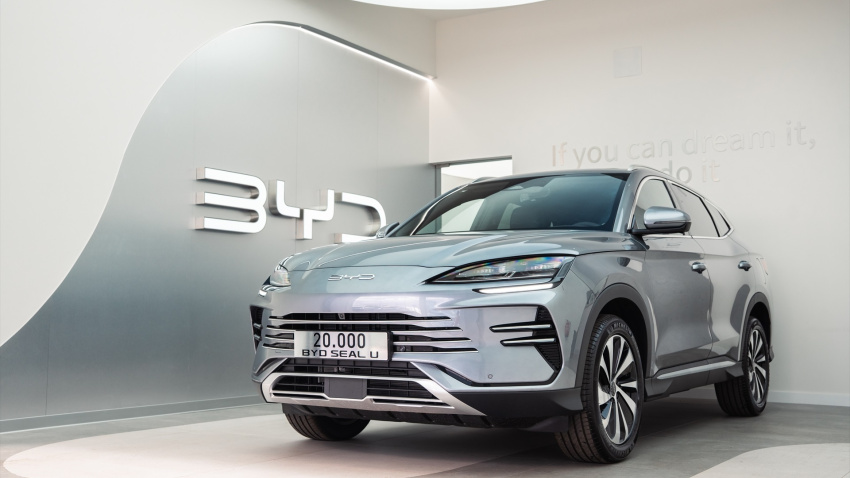
Volkswagen has lost market share in China to domestic manufacturers such as BYD, which have grown rapidly by delivering electric vehicles offering advanced technology at competitive price points. Chinese brands have also accelerated their expansion across European markets, with BYD recently celebrating the delivery of its 20,000th BYD Seal U model in Spain.
In response to these market pressures, Volkswagen has proposed a significant reduction in its overall model lineup and a simplification of its internal product range, requiring every brand and vehicle model to justify the investment needed to remain competitive.
Shift in focus toward the Cupra performance brand
A key factor in Volkswagen's strategic evaluation is the rapid rise of Cupra. Launched in 2018 as a standalone performance brand originating within SEAT, Cupra has grown into the primary commercial driver for the combined SEAT&CUPRA organization, establishing an international, technology-oriented, and aspirational market profile.
According to the report by WirtschaftsWoche, a gradual withdrawal of the SEAT brand would allow Volkswagen Group to reduce internal complexity and channel greater technical and financial resources into expanding the Cupra lineup.
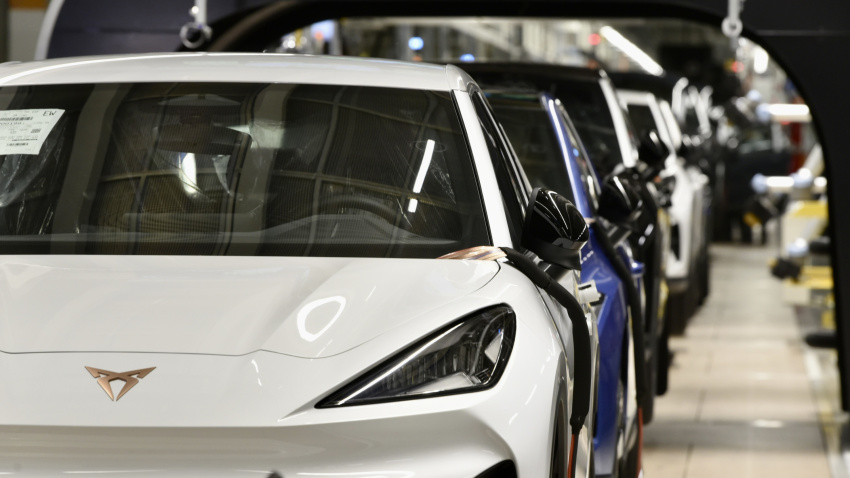
Such a move would align with organizational changes implemented by Volkswagen at the beginning of 2026, when Volkswagen, Škoda, SEAT&CUPRA, and Volkswagen Commercial Vehicles began sharing common operational structures across production, technical development, and purchasing.
By consolidating administrative and technical operations across its mass-market brands, Volkswagen aims to eliminate duplicate workflows and capitalize on economies of scale. Developing new electric vehicle architectures, modular platforms, battery packs, and vehicle software requires multi-billion-euro capital outlays that demand strict cost efficiency.
Spain's role as a major electric manufacturing hub
Industry analysts note that phasing out the SEAT brand badge would not automatically lead to the closure of Spanish factories or the dissolution of SEAT S.A. as an industrial enterprise.
Spain is playing an increasingly vital role in Volkswagen Group's global electric vehicle production strategy. The primary SEAT S.A. manufacturing plant in Martorell, located in Catalonia, has already commenced assembly of fully electric models, including the CUPRA Raval and the Volkswagen ID. Polo, while also integrating high-voltage battery system assembly into its production lines.
Volkswagen, SEAT, and their industrial partners previously committed nearly 10 billion euros to electrify Spain's automotive manufacturing infrastructure. That capital commitment includes facility upgrades at the Martorell plant near Barcelona, the Pamplona vehicle assembly plant in Navarre, and the construction of a dedicated battery gigafactory in Sagunto, near Valencia.
As Chinese vehicle brands enter the Spanish market with force and prompt competitive responses from domestic manufacturers, other automotive plants in Spain are also adapting. Industrial activity at the Figueruelas manufacturing plant in Zaragoza has ramped up with the objective of becoming the first production facility in Europe to assemble Chinese-branded vehicles.
This dynamic creates a paradoxical situation where a historic Spanish automotive brand could lose prominence or vanish from showrooms, even as Spain consolidates its position as a central manufacturing hub for Europe's electric car industry.
Software demands and strong joint financial performance
The underlying driver of this transformation is technological. While automotive competition historically centered on styling, mechanical engineering, internal combustion engines, and build quality, modern car buyers prioritize software capability, digital connectivity, electric driving range, driver assistance systems, mobile integration, and over-the-air software updates.
Because creating proprietary digital technology requires billions of euros in software engineering, major automotive groups are increasingly sharing standardized vehicle platforms, mechanical components, battery packs, and software suites across multiple brands to avoid maintaining parallel development projects.
Financial results from the first half of 2026 demonstrate that SEAT is not facing an immediate financial crisis. The combined SEAT&CUPRA business unit generated an operating profit of 122 million euros during the first six months of 2026, marking a substantial increase from the 38 million euros reported during the same period in 2025.
Because these figures cover the joint financial performance of SEAT&CUPRA rather than SEAT as an isolated brand, they indicate that Volkswagen's deliberations stem from broader industry pressures around electrification, software investment, and Chinese competition rather than simple operational unprofitability.
For now, SEAT maintains that no decision has been taken regarding its future. However, the fact that the continuation of one of Spain's most iconic industrial brands is under discussion illustrates the scale of the ongoing transformation in the European automotive sector.