Spanish Prime Minister Pedro Sánchez is adopting a strategy of chaos to hold power despite mass protests and parliamentary defeat over Ceuta, political analyst Abel Hernández reported.
The government faced widespread public rejection during Wednesday demonstrations and lost key votes in the Congress of Deputies, while public officials within the governing Socialist Party launched an unprecedented internal rebellion.
Writing for the 247 News Agency, Hernández reported that three state ministers, responsible for defense, interior, and foreign affairs, have seen their standing burnt out by the handling of the Ceuta crisis. Despite the mounting pressure, Sánchez has shown no intention of reshaping his government or calling an early general election, raising doubts over whether he retains the confidence of King Felipe VI.
Ceuta is a Spanish autonomous territory on the North African coast bordering Morocco, long situated at the center of border control and diplomatic relations between Madrid and Rabat. Under Spain's parliamentary system, executive authority is held by the prime minister at the Moncloa Palace in Madrid, dependent on sustaining a voting majority in the Congress of Deputies.
Growing Opposition and Cabinet Pressure
Hernández stated that political figures fear Sánchez may attempt to undermine Spain's 1978 constitutional order, which established the nation as a parliamentary monarchy. The commentator noted that Sánchez publicly denies the existence of a democratic alternative, labeling the main opposition Partido Popular as far right while seeking to prevent a transfer of power with tacit support from coalition partners.
Spain's 1978 Constitution marked the nation's transition to modern democracy following the end of General Francisco Franco's regime, defining the role of the constitutional monarchy and political parties. The center-right Partido Popular stands as the primary opposition force in Spanish politics, holding the largest number of seats opposing the ruling coalition.
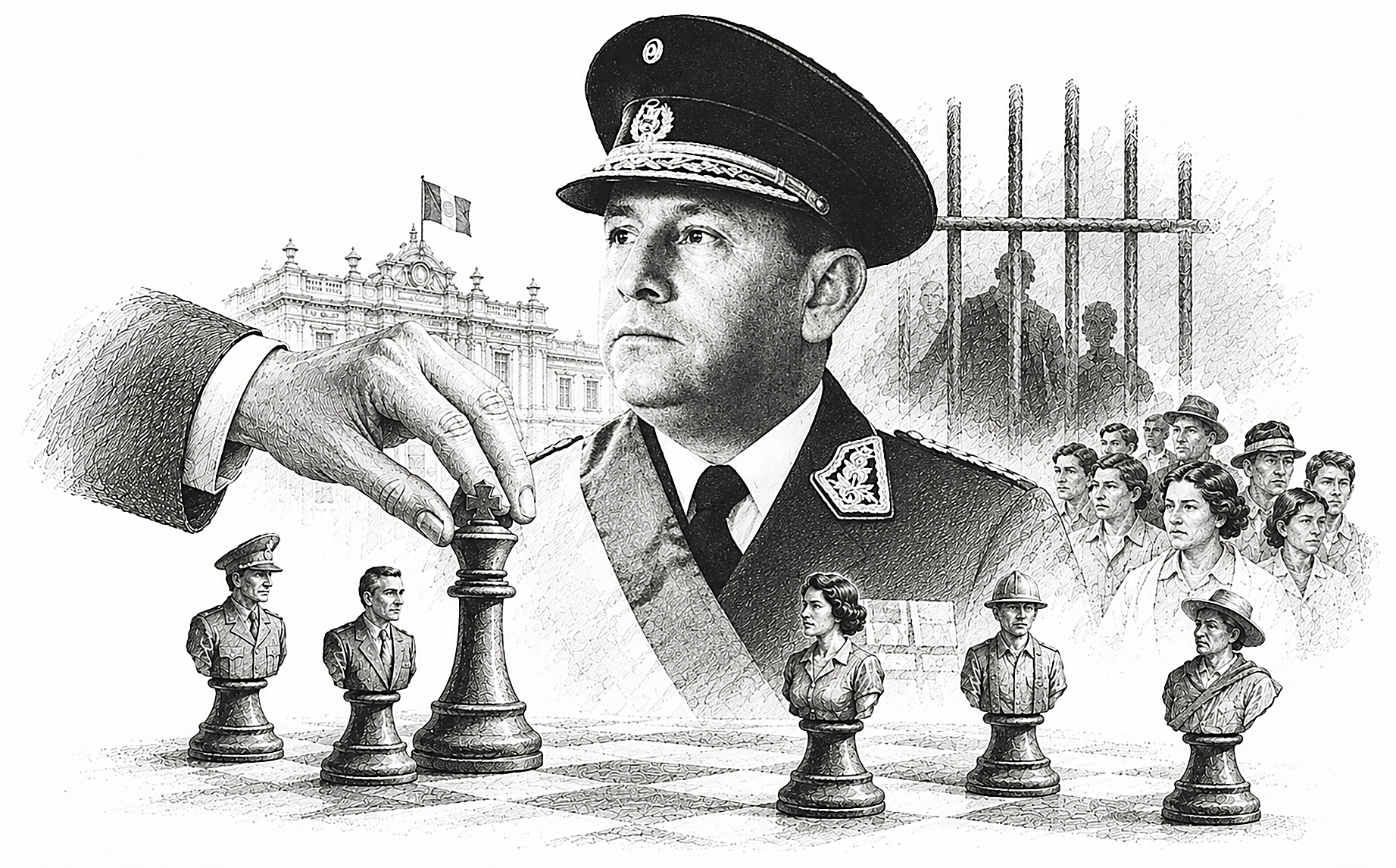
According to the commentary, Sánchez has anchored his position at the Moncloa Palace on the historic Spanish Civil War slogan asserting that opponents shall not pass. Hernández observed that while millions of voters continue to support the prime minister, his political survival strategy increasingly relies on ideological polarization to avoid political exile or legal scrutiny.
Allegations of Election Suspension Plans
Prominent figures across various political factions have aligned in predicting a turbulent conclusion to the current parliamentary term as resistance to removing the administration grows. Critics have also targeted the Democratic Memory Law, widely referred to as the law of grandchildren, characterizing the legislation as an attempt at electoral manipulation ahead of upcoming votes.
Repeated public slights aimed at the crown have heightened political tension across Spain. However, opinion polls show that King Felipe VI maintains strong public popularity that contrasts sharply with the prime minister's low approval ratings, suggesting the monarchy would comfortably win a broad vote of public support.
A reliable source cited in the report claimed that government officials have discussed using a formula termed a state of democratic emergency to suspend next year's general elections. Supported by a favorable ruling from the Constitutional Court, the administration would justify the move by arguing that elections cannot be held if they lead to governance by far-right forces.
The Constitutional Court of Spain serves as the highest legal body evaluating constitutional rights and executive emergency powers. General elections in Spain are scheduled for next year, when voters across the country's autonomous communities will decide the composition of parliament.