


Spain's opposition Popular Party leader Alberto Núñez Feijóo will return to Ceuta on Wednesday to lead political action over the city's ongoing migration crisis.
The visit to the North African exclave comes on the eve of Prime Minister Pedro Sánchez's planned appearance before an extraordinary plenary session of the Congress of Deputies, the lower house of Spain's parliament in Madrid.
As the new political term opened on Monday, August 31, the migration situation in Ceuta dominated national politics, pushing aside other party priorities as September began.
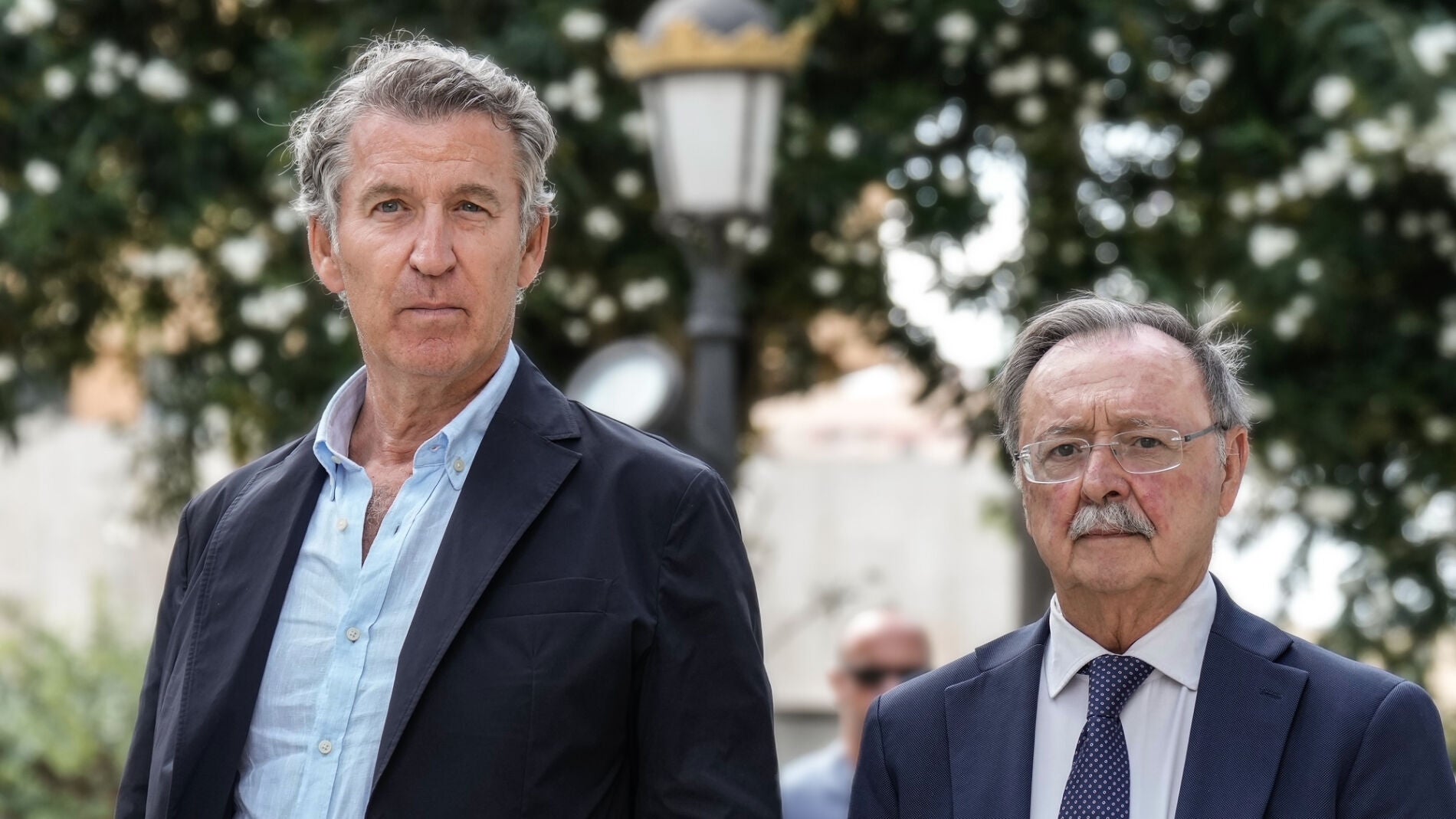
The Popular Party, known as the PP, is focusing heavily on expanding its presence in the autonomous city throughout the week to highlight what it describes as central government inaction. Party sources stated that Feijóo's upcoming trip would mark his third visit to Ceuta since the border crisis erupted, contrasting his presence with that of Sánchez.
Ceuta, a Spanish autonomous territory located on the North African coast opposite Gibraltar, forms one of the European Union's two direct land borders with Africa alongside Melilla. According to PP officials, the Prime Minister has visited Ceuta only once, traveling to the city on July 31 immediately after the initial border surge occurred.
Sánchez then departed for La Mareta, the official presidential summer retreat on the island of Lanzarote in the Canary Islands, conducting subsequent government business through remote virtual meetings or occasional appearances in Madrid.
The opposition party noted that cabinet ministers have maintained a similarly sparse schedule of visits to the enclave. Over the weekend, the only official government agenda item related to the crisis was a Saturday television interview given by Territorial Policy Minister Ángel Víctor Torres to Spanish public broadcaster TVE.
On Monday, PP deputy secretary general Juan Bravo made another trip to Ceuta to meet local representatives. Party sources claimed that Sánchez has visited Ceuta the same number of times as former Prime Minister José María Aznar, who held office from 1996 to 2004, whereas Bravo has visited the city more times than all current cabinet members combined.
PP officials added that their continuous presence in Ceuta demonstrates their commitment to the city's residents and to defending Spain's international borders.
Backlash from government parliamentary partners
Discontent over the executive's handling of the Ceuta crisis has extended beyond the main opposition to include the government's parliamentary partners. During committee appearances in the Congress of Deputies last week, several political groups expressed dissatisfaction with the official response, with a Basque Nationalist Party deputy remarking that the central state was absent.
Allied parties also questioned why the governing coalition continues to shield Morocco from blame regarding the border crisis. Parliamentary spokesperson Verónica Barbero of the left-wing coalition Sumar, a junior partner in Sánchez's governing coalition, accused neighboring Morocco of turning a blind eye and permitting the border breaches, if not actively encouraging them.
Meanwhile, the left-wing Podemos party dispatched a formal letter to the European Commission in Brussels. The party requested urgent European Union intervention to address the humanitarian situation, citing what it described as negligent management by the Spanish government and subsequent attacks against migrants in the city.
Municipal rallies ignite political feud
The political dispute has intensified ahead of a series of nationwide demonstrations scheduled for Wednesday, September 2, which coincides with the official celebration of Ceuta Day. Over 100 rallies are planned across more than 260 municipalities on the Spanish mainland and islands to show solidarity with residents of the enclave.
The demonstrations have been called by the Spanish Federation of Municipalities and Provinces, an association of local authorities known as the FEMP, which is currently chaired by the Popular Party. Organizers intend the events to demonstrate widespread public support for the border city.
In response, the governing Spanish Socialist Workers' Party, known as the PSOE, sent internal instructions to its elected officials and public representatives over the weekend, urging them to boycott the demonstrations. Socialist leaders accused the PP of using the humanitarian crisis for partisan political purposes to attack the government from party headquarters on Calle de Ferraz in Madrid.
However, PP deputy secretary for regional policy Elías Bendodo announced on Sunday that the opposition will organize its own support rallies in Socialist-governed municipalities where local mayors refuse to convene them. Bendodo stated that the gatherings are intended to support Ceuta and demand a prompt return to normality, adding that the initiative is not directed against any political group.


