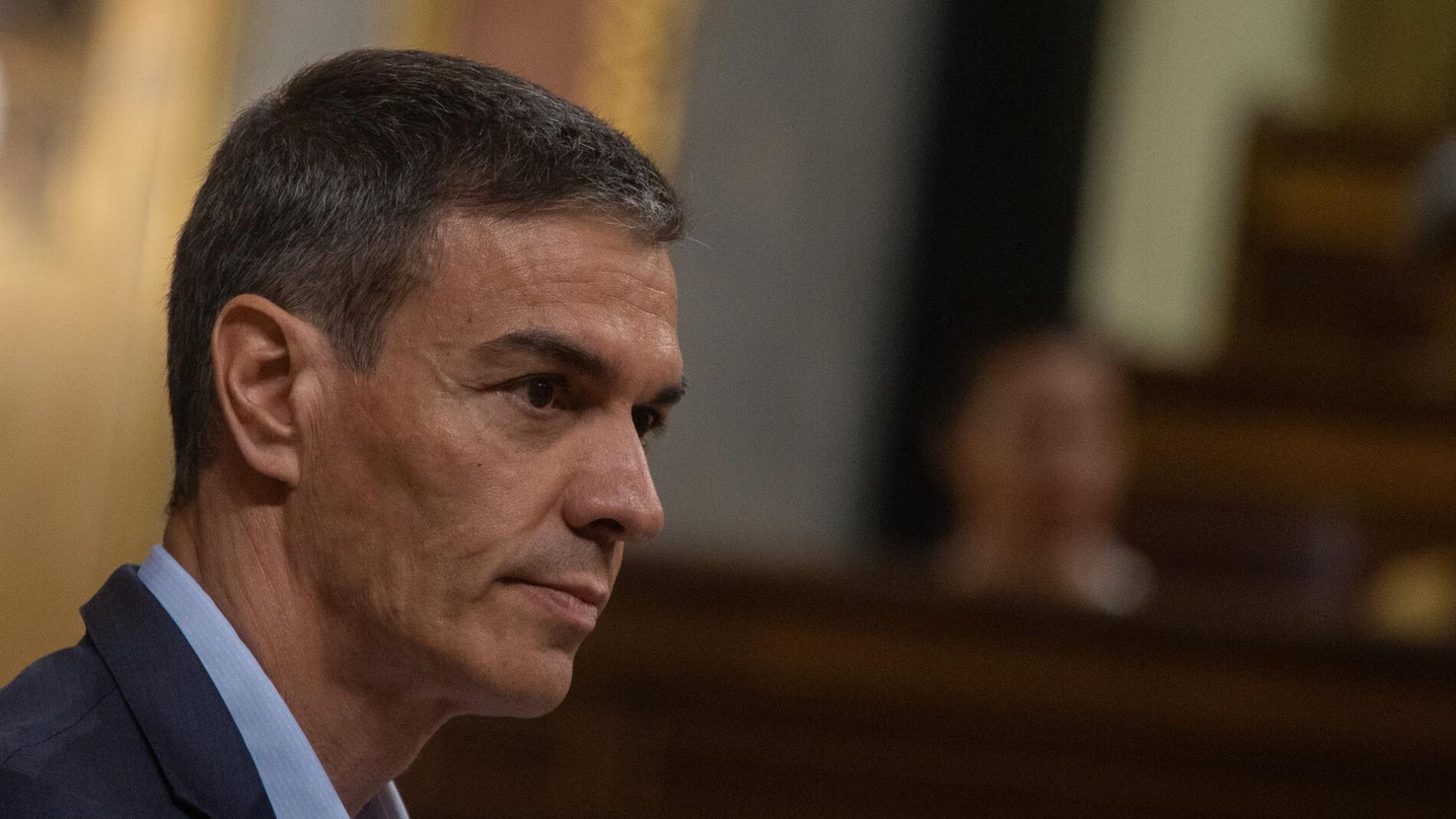
Spanish Prime Minister Pedro Sánchez is moving to present draft General State Budgets for 2027 despite lacking parliamentary support, after the Spanish Congress of Deputies rejected his government's financial stability path and spending ceiling for a second time.
The parliamentary defeat leaves Spain facing a fourth consecutive year without new public accounts, as the executive continues to operate on extended 2023 budget figures after failing to submit draft budgets for 2024, 2025, and 2026.
The rejection of the financial path by lawmakers in Madrid has intensified political pressure on the governing coalition, bringing the prospect of an early general election closer.
Spending Ceilings and Treasury Deficit Targets
The Spanish Ministry of Treasury, known as Hacienda, approved a non-financial spending margin of 4 percent and set a national budget deficit target of 0.1 percent for the upcoming fiscal framework.
These fiscal targets passed through the Treasury with support exclusively from regional governments led by the Spanish Socialist Workers' Party, failing to secure agreement from regions governed by opposition parties.
Under Spain's public finance framework, the Council of Ministers must establish a non-financial spending ceiling before submitting detailed department budgets to parliament.
Although the cabinet formally approved the 4 percent spending expansion, the lower house of parliament voted down the proposed limits, halting the legal process required to move forward with the 2027 financial plan.
Loss of Junts Support and Governance Crisis
Political analysis published by 247 News Agency columnist José María Rotellar highlighted that passing a national budget has become virtually impossible following a political breakdown with Junts per Catalunya.
The Catalan nationalist party holds decisive votes in the 350-seat Congress of Deputies, where Prime Minister Sánchez relies on a fragile multi-party bloc to sustain his minority administration.
The government also faces growing parliamentary isolation alongside surrounding investigations into alleged corruption, leaving the executive unable to assemble majorities for key legislative initiatives.
One year ago, Sánchez publicly described the presentation of a draft budget as a waste of time, arguing that any proposal would derail in parliament without guaranteed votes.
The Prime Minister has since changed his stance, confirming plans to submit a draft budget for 2027 while acknowledging that he cannot confirm whether the measure will survive a parliamentary vote.
Economic Projections and Fiscal Sustainability
The economic growth projections embedded in the government's proposed spending framework are extraordinarily high when compared to forecasts issued by independent economic research institutions.
Rotellar noted that the government's stability goals depend heavily on elevated tax revenues generated by sustained inflation, a mechanism that deteriorates over the medium and long term.
Because state spending expands to consume all inflation-driven revenues while remaining insufficient to balance the public accounts, the government must issue additional public debt to cover its deficit.
Critics warn that increasing structural public spending under these economic conditions risks reducing overall economic productivity by replacing high-value skills with low-value-added activity.
Constitutional Duties and Electoral Outlook
In Spain, the Presupuestos Generales del Estado serves as the primary instrument of national economic policy, setting state revenue projections and statutory expenditure caps across all ministries.
The annual budget framework is designed to restore fiscal balance and maintain economic stability without relying on continuous public debt expansion.
Under Spanish constitutional governance, the executive branch is legally mandated to draft and present a national budget proposal for every fiscal year.
When a government repeatedly fails to secure parliamentary approval for its fiscal stability path, constitutional precedent dictates that the Prime Minister should resign to allow a new administration to form or call an early general election to seek a workable legislative majority.