Miguel Ángel Recuenco, the Mayor of Leganés, has called on government authorities at all levels to coordinate urban planning and address severe housing shortages across the region of Madrid.
Writing on Wednesday, October 7, Recuenco urged the national Government of Spain, the regional administration of the Community of Madrid, and local municipal councils to simplify bureaucracy, clarify construction rules, and accelerate housing development.
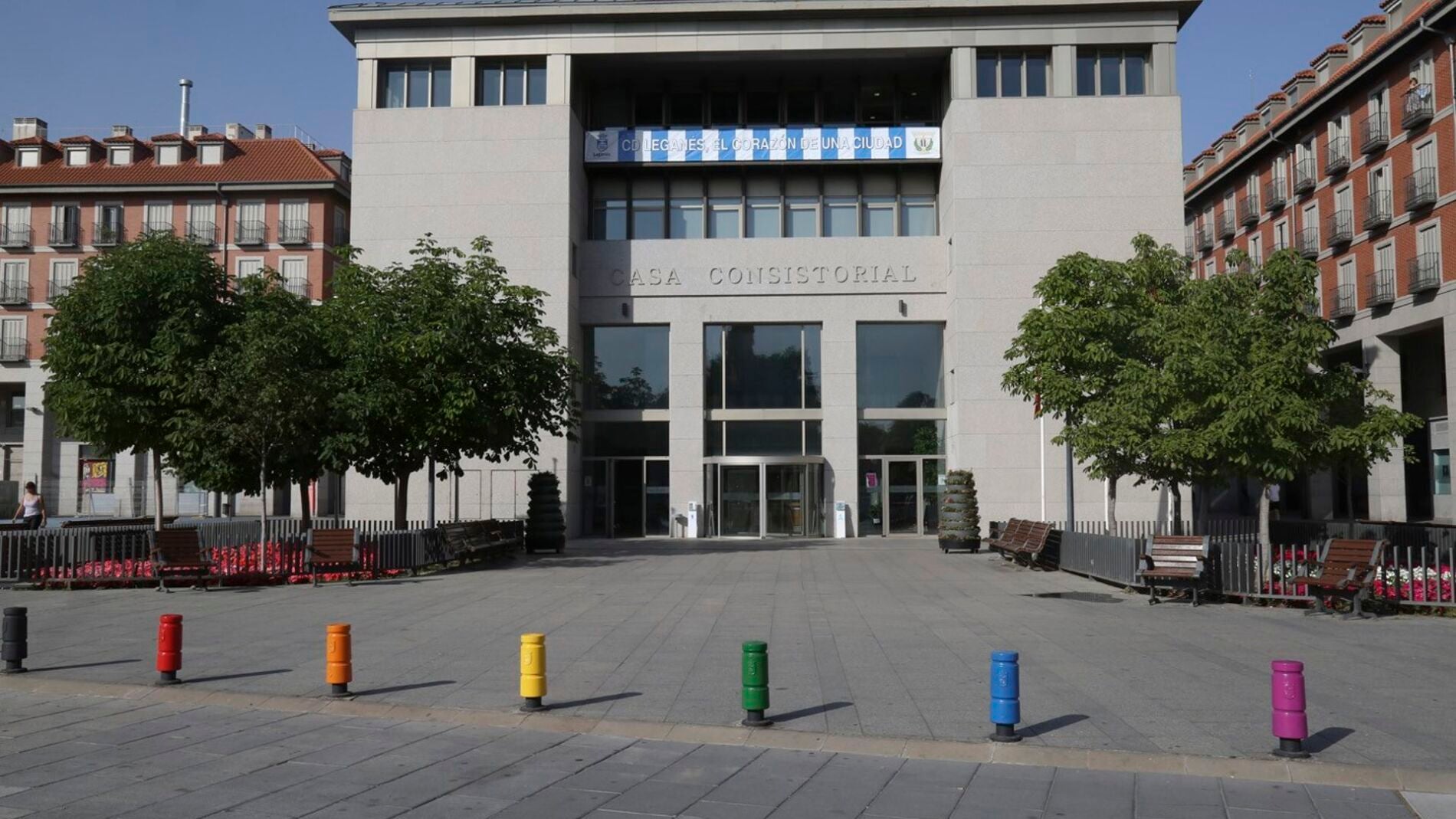
Recuenco highlighted a recurring situation facing families in Leganés, a city located south of the Spanish capital, where young employed adults wishing to live independently near their families find remaining in their hometown increasingly improbable due to escalating property prices.
He noted that while young workers often seek cheaper accommodation in distant municipalities, the initial financial savings are quickly erased when factoring in daily commuting times, transport expenses, and the quality of life lost during long daily journeys.
The mayor stressed that housing defines personal freedom, including an individual's ability to choose where to reside, form a family, accept employment opportunities, or remain close to relatives. Consequently, he stated that housing could no longer be managed as an isolated public policy sector.
Growing Demand and Economic Pressures
Addressing wider regional dynamics, Recuenco acknowledged that the Community of Madrid successfully attracts commercial investment, business enterprise, and professional talent. However, he warned that economic growth creates an urgent requirement for more residential homes.
Because the availability of new homes expands far slower than the population requiring them, rising prices threaten to displace the working population that sustains regional economic prosperity. He specifically identified young people and middle-income families as the most vulnerable groups, noting they frequently earn too much to qualify for public social assistance yet too little to afford market-rate housing.
Drawing from his administrative experience as mayor since June 2023, Recuenco argued that constructing housing requires far more than political announcements. He emphasized that municipal authorities must secure suitable land, approve urban development plans, process complex files, and plan essential public services, including schools, healthcare facilities, green spaces, and public transport infrastructure.
He cautioned that administrative delays carry tangible human consequences, observing that planning files languishing on official desks for years translate directly into delayed homes and prolonged waiting periods for citizens.
Coordinated Governance and Streamlined Rules
To resolve the bottleneck, Recuenco advocated for increasing housing supply and shortening administrative deadlines while maintaining statutory oversight. He called for direct coordination between the central government in Madrid, the regional administration, and municipal councils.
He stated that while public administrations must verify compliance with statutory regulations, official bodies must also demonstrate the capacity to resolve licensing and planning applications within reasonable timeframes, providing clear rules for entities seeking to build.
Outlining municipal efforts in Leganés, Recuenco explained that local authorities are working to broaden housing access across both rental markets and publicly protected homeownership schemes, known as vivienda protegida.
He noted that daily discussions with local residents reveal diverse housing demands that cannot be met by a uniform strategy. Young residents seek initial emancipation, growing families require larger living spaces, and elderly citizens wish to remain within their established neighborhoods even when their existing homes no longer suit their physical needs.
Role of Public and Private Sectors
Recuenco described public housing and social protection measures as indispensable safeguards for residents facing economic hardship. He stressed that public housing management must operate under transparent allocation criteria, offer personal guidance when required, and receive sufficient funding to maintain properties in good condition.
Simultaneously, the mayor called for active participation from housing cooperatives, private property owners, and commercial developers to expand the supply of affordable housing. Given the magnitude of the housing shortage, he insisted on combining operational capacity while demanding concrete results from all participating partners.
Differentiated Municipal Strategies and Transport Links
Examining the territorial map of the Madrid region, Recuenco observed that the capital city, surrounding metropolitan municipalities, and rural towns possess distinct structural requirements. He argued that regional policy must recognize local possibilities rather than forcing uniform growth patterns across all communities.
He indicated that while certain municipalities require new urban developments, others require building rehabilitation, the recovery of underutilized spaces, or targeted municipal support to help young residents stay in their home towns.
Recuenco underlined that municipal planning is inextricably linked to public transport connections. He warned that affordable housing located far from employment centers with inadequate transit options ultimately imposes heavy costs on residents. Effective housing strategy, he argued, requires pre-planning daily transit to workplaces, medical centers, and secondary schools to ensure manageable commute times.
Policy Accountability and Regional Alignment
Calling for long-term governance, Recuenco asserted that housing policy must outlast mere publicity announcements. He urged authorities to publish explicit targets regarding the exact number of homes to be made available, realistic implementation schedules, and associated financial costs.
Furthermore, he proposed publishing completion data for finished housing projects, measuring official licensing processing times, and actively correcting administrative failures to ensure citizens can verify whether government decisions yield genuine improvements.
Defining his core objective for Leganés, Recuenco stated that his ambition is to ensure that any individual wishing to reside in the city has a real opportunity to do so, without being forced to move away to launch their adult life.
Recuenco concluded that this ambition should extend across the entire Community of Madrid, calling on the central Spanish government to provide economic certainty and legal security rather than pursuing political confrontation with the regional government.