


Retired Major General Jesus Argumosa has warned that artificial intelligence in military systems dramatically increases the risk of accidental escalation. Writing on the website of the Spanish Association of Military Writers, Argumosa said automated decision processes could trigger unintended conflicts by operating faster than human oversight allows.
Argumosa is a retired general de division, a senior two-star officer rank in the Spanish Army responsible for commanding operational divisions and senior staff departments. The Spanish Association of Military Writers, based in Madrid, is an organization of active and veteran service members that publishes commentary on defense policy, military history, and geopolitical strategy.
In his analysis of the new geopolitical era, Argumosa stated that the global balance of power is undergoing a fundamental transformation. He explained that a state's international capacity no longer depends solely on traditional assets such as territory, population, natural resources, or military arsenals.
Argumosa noted that state power now relies equally on access to artificial intelligence models, semiconductors, data centers, energy supply, data reserves, and technological talent.
Semiconductors are microchips that power advanced computing infrastructure, while data centers host networked servers required to train and run complex software. Energy supplies have also become vital military assets because high-performance computing centers demand vast amounts of electricity.
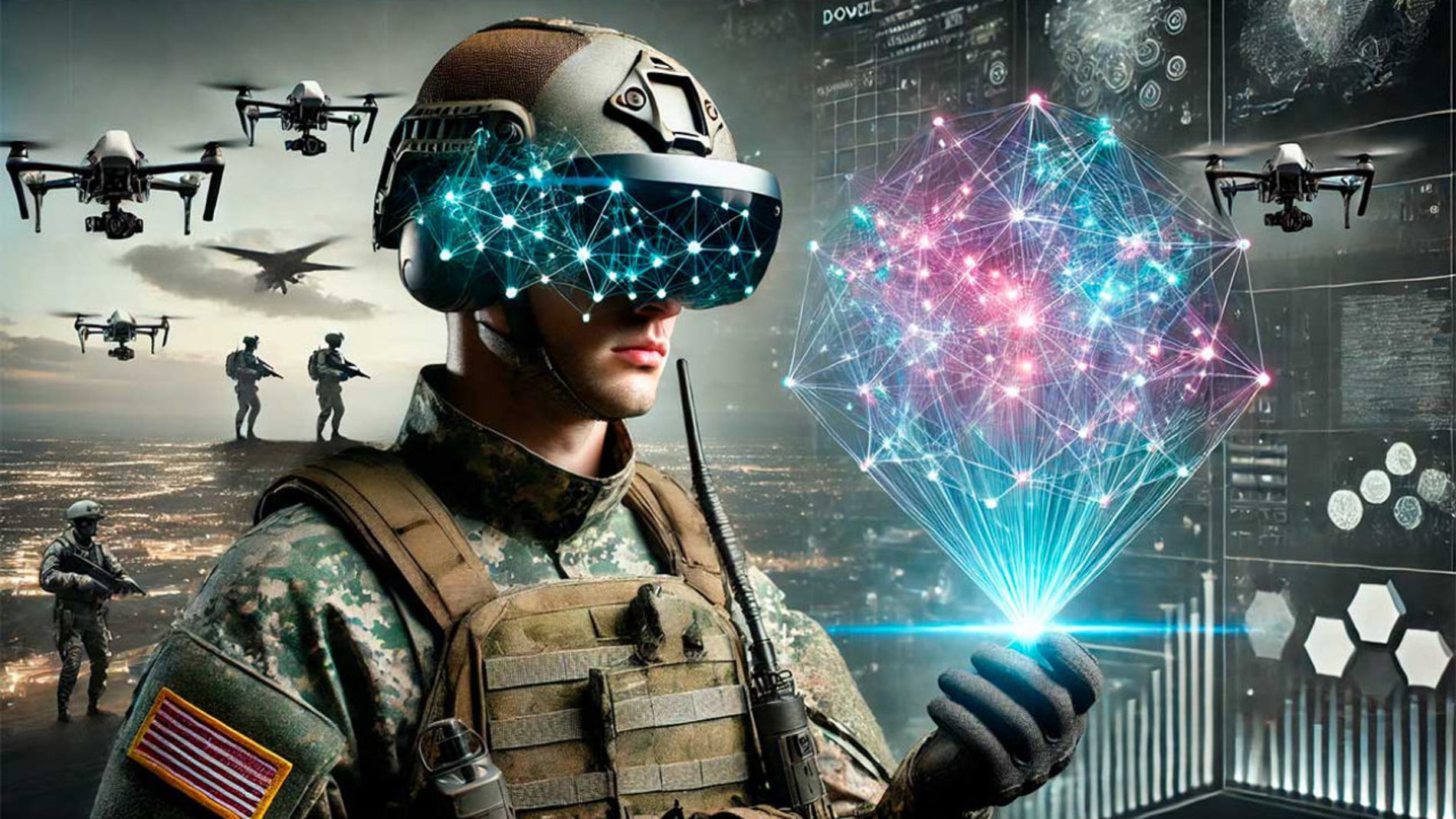
Automated Systems and Battlefield Escalation Risks
Argumosa highlighted decision-making speed as one of the most critical military dilemmas introduced by artificial intelligence. He warned that if machines detect, evaluate, and act much faster than human beings, the risk of accidental escalation increases significantly.
The retired general explained that faster automated systems reduce the available time for human operators to assess battlefield situations. As machine speed increases, human commanders have a smaller margin to interpret events correctly, evaluate potential consequences, and decide whether action is necessary.
Intelligence, surveillance, and reconnaissance systems gather radar and optical data on enemy movement. Electronic warfare uses electromagnetic signals to disrupt opposing communications, while cyberdefense protects digital networks, and autonomous platforms operate with minimal direct human control.
Argumosa observed that integration of artificial intelligence into intelligence, surveillance, reconnaissance, electronic warfare, cyberdefense, drones, and autonomous platforms creates delicate operational challenges. While automated systems process vast amounts of data in seconds and identify patterns quickly, they also introduce grave risks.
Argumosa warned that incorrect data, misread images, electronic interference, or decisions based on incomplete information could cause a machine to launch an automatic response. An opposing military might then interpret that automated action as a deliberate act of aggression.
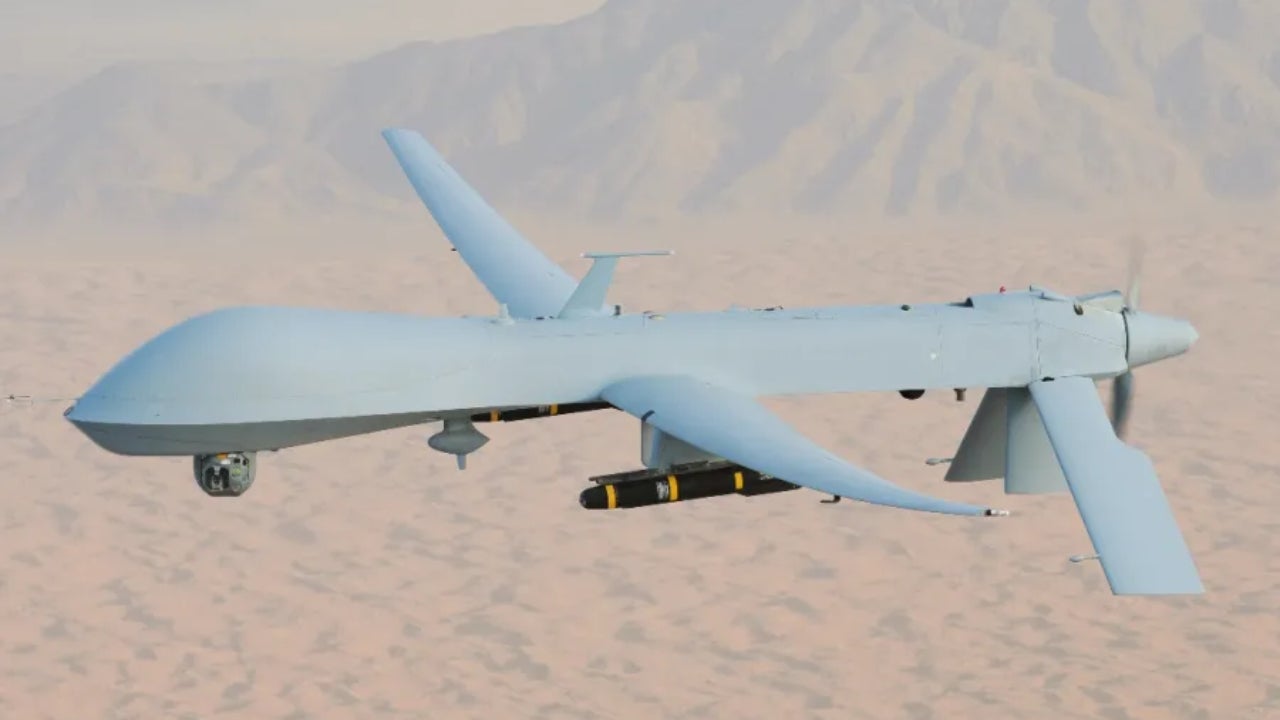
The problem worsens when multiple nations deploy artificial intelligence threat detection and response systems simultaneously. Argumosa warned that opposing automated systems could create a feedback loop, reacting to each other at speeds beyond human oversight capacity.
Argumosa noted that traditional deterrence strategies must adapt to this accelerated environment. Historic deterrence relied on diplomatic communication, interpreting an adversary's intentions, and maintaining sufficient time to evaluate options before acting.
Geopolitical Technology Competition and Strategic Autonomy
Argumosa framed these military developments within a broader geopolitical contest for technological dominance. He stated that the United States and China currently control the key components of the technological chain, from microchips and computing power to AI models and military systems.
The technological rivalry between Washington and Beijing centers on securing semiconductor supply chains and maintaining leadership in advanced computing. Strategic autonomy refers to the capacity of a nation or regional bloc, such as the European Union, to protect its security interests without depending on external rivals.
By contrast, Europe faces the challenge of reducing specific technological dependencies. Argumosa emphasized that European nations must secure strategic autonomy so that digital and industrial vulnerabilities do not become national security risks.

Military Advantages and Limits on Autonomous Systems
Argumosa acknowledged that artificial intelligence offers major benefits for armed forces. He noted that AI can improve military intelligence, logistics, operational planning, force protection, and targeting precision.
However, because artificial intelligence increases military speed and effectiveness, Argumosa stressed that clear limits must be placed on machine autonomy. He stated that human supervision, safety protocols, and reliable communication channels between adversaries will become essential.
Argumosa concluded that victory in the geopolitical AI race will not belong solely to the nation with the most advanced model. Instead, success will depend on managing the operational risks of automated warfare and keeping the speed of war under control.


