


Scientists funded by the United States National Institutes of Health have discovered that protective immune cells in the human hippocampus decline sharply from age 50.
The research revealed that between the ages of 50 and 75, defensive brain cells known as microglia decrease in number and are replaced by cells exhibiting higher inflammatory activity, potentially shedding light on age-related cognitive decline and dementia.
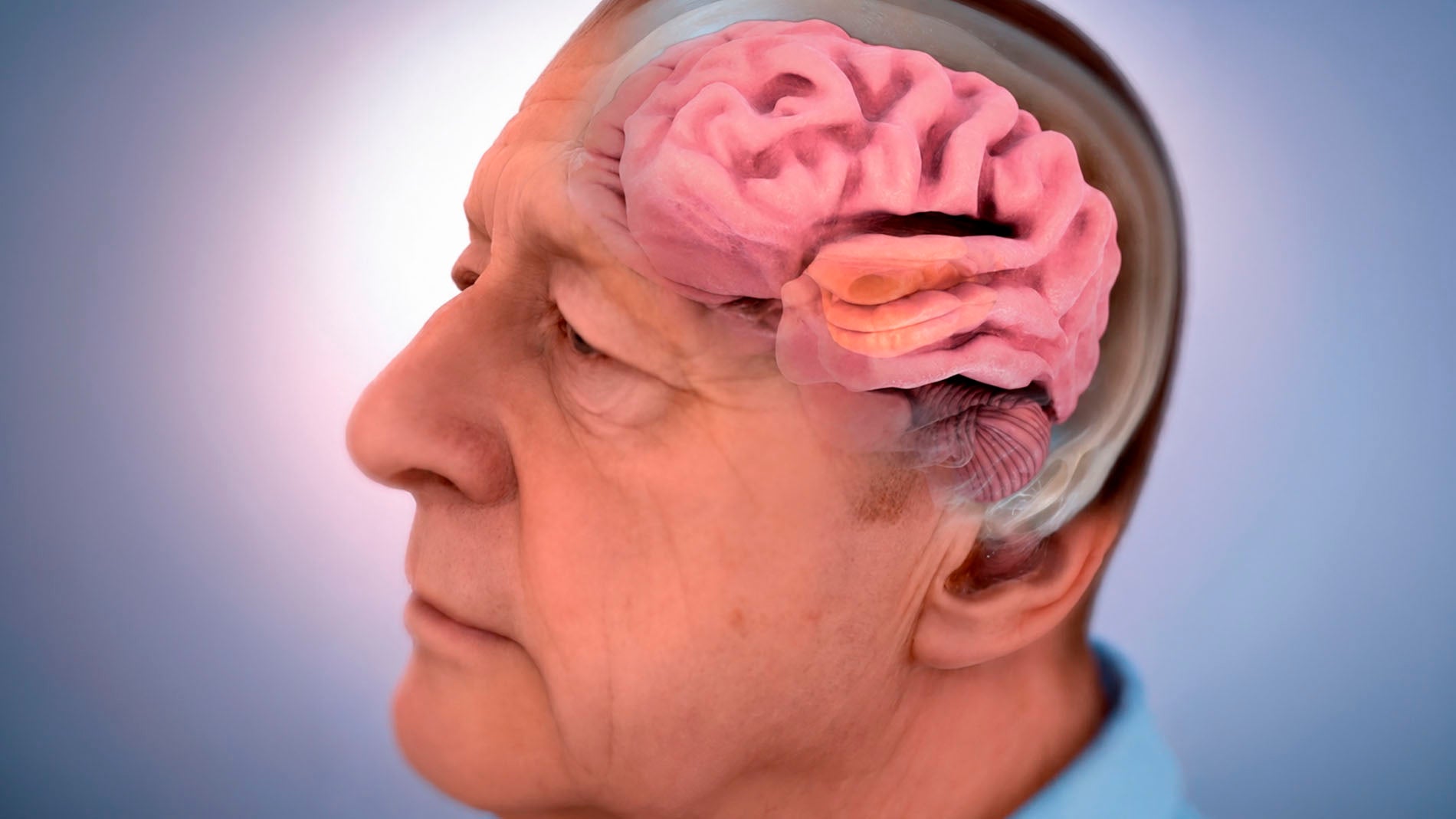
Changes in hippocampal defense cells
To examine these subtle biological shifts, investigators analyzed post-mortem hippocampal tissue from 40 deceased individuals aged between 20 and 95. None of the individuals examined had any recorded history of neurological disease prior to their deaths.
Researchers studied each cell type individually, examining both cellular activity and molecular markers that indicate cell origin. The analysis revealed not only a drop in microglia but also deterioration in cells maintaining the protective blood-brain barrier, alongside changes in how DNA is organized and regulated across multiple brain cells.

Role of microglia in brain health
Microglia serve as the primary immune defense and maintenance crew of the central nervous system. Formed during embryonic development, these specialized cells clear cellular debris, respond to tissue damage, and maintain overall brain health.
Scientific consensus previously held that microglia self-renewed and remained active throughout an individual's lifetime. However, the new findings show that their numbers begin falling around age 50, with cells resembling circulating blood defenses taking over and displaying elevated inflammatory activity until roughly age 75.
Inflammation and neurodegenerative risk
While persistent inflammation is a characteristic feature of neurodegenerative conditions such as Alzheimer's disease, researchers emphasized that the study does not prove this cellular replacement directly causes Alzheimer's or dementia. Instead, it describes a silent, age-dependent biological process that requires further investigation in larger population groups and in patients diagnosed with these conditions.
The study's authors noted that the limited sample size of 40 brains warrants caution when interpreting the results. Because the research relied entirely on tissue collected after death, investigators could not track the evolution of a single brain over decades or confirm the exact onset time of the changes in each person.

Future research and preventive strategies
Researchers will now attempt to determine why original microglia disappear and whether halting or modifying this cell replacement could help protect memory. Identifying these early biological markers could complement diagnostic tools, such as blood tests designed to detect dementia risk before clinical symptoms appear.

Scientists noted that brain health is influenced by environmental conditions as well as internal biology. Another study linked sustained financial hardship over several years to accelerated brain aging, demonstrating how lifestyle pressures and cellular changes both contribute to neurological health.

Understanding the silent internal transformation that begins during middle age could pave the way for preventive treatments designed to protect cognitive function before memory problems develop.


