

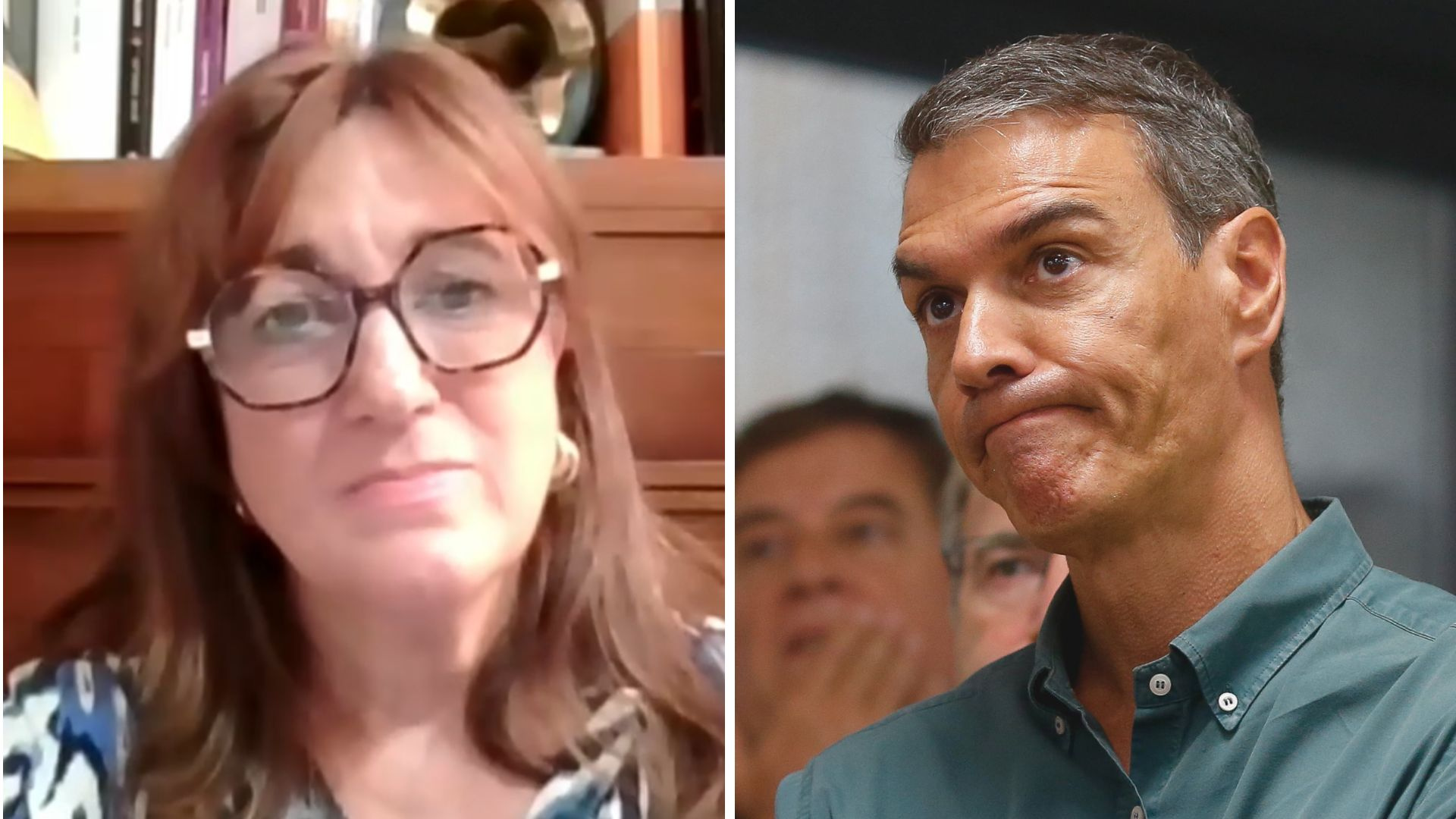
Former European lawmaker Soraya Rodríguez accused Spain's government of lying over the Ceuta migration crisis during an interview on television channel TRECE. Speaking on the current affairs programme El Cascabel, hosted by José Luis Pérez, the former Socialist politician backed criticism raised by Castilla-La Mancha regional president Emiliano García-Page and condemned the central administration's initial handling of the emergency.
Rodríguez said that observations made by García-Page were full of reason and reflected the sentiments of broad sections of Spanish society. She argued that the severity of the border situation required immediate government action from the outset, stating that those who called for an emergency Cabinet meeting and a state of alarm on the day after the crisis began were now being proven right.
Ceuta is an autonomous Spanish city situated on the North African coast, sharing a land border with Morocco that serves as one of the European Union's primary southern entry points. Under the Spanish constitution, a state of alarm is an emergency mechanism that allows the central government in Madrid to assume extraordinary administrative powers and deploy federal security assets during major national crises.
Ministerial clash over national security
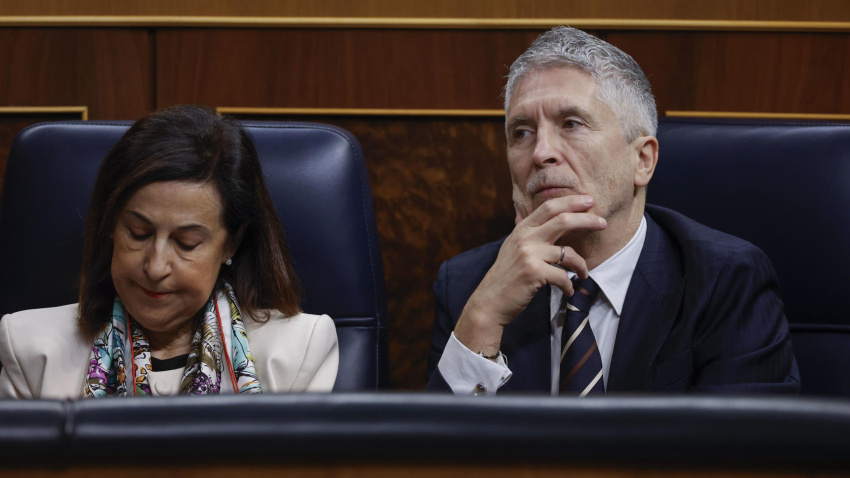
Addressing internal friction within the government, Rodríguez described the clash of accounts between Defence Minister Margarita Robles and Interior Minister Fernando Grande-Marlaska as extremely serious. She said it was unacceptable for two senior cabinet members to deliver incompatible versions of events in parliament and before the public, adding that when one minister lies, the government as a whole is lying to the country.
Rodríguez criticized elements within the executive for questioning the work of Spain's National Intelligence Centre and state information agencies. Expressing complete confidence that Robles was telling the truth, she praised the track record of the security services and warned that displaying weakness in intelligence matters poses a clear risk against Morocco's strategic maneuvers.
Margarita Robles, a former magistrate who leads the Ministry of Defence, oversees Spain's armed forces and national intelligence operations. Interior Minister Fernando Grande-Marlaska, also a former magistrate, is responsible for domestic law enforcement, border security, and federal police forces.
Border warnings and hybrid attacks
Turning to the events leading up to the border breach, the former lawmaker noted that Ceuta Mayor-President Juan Vivas had alerted central authorities in advance about movements gathering near the border crossing. She explained that Prime Minister Pedro Sánchez's government underestimated that intelligence after contacting Moroccan officials and accepting an initial narrative that she described as entirely erroneous.
Rodríguez rejected claims that the border storming was carried out solely by human trafficking networks, arguing that hybrid attacks on international borders are executed by sovereign states rather than criminal mafias. She said the government's ineffective response played directly into Morocco's strategy of creating political tension inside Spain while overwhelming Ceuta's humanitarian and assistance capacity.
Juan Vivas has served as the Mayor-President of Ceuta since 2001, heading the local autonomous government that manages municipal services and coordinates emergency response alongside Spanish federal authorities.
European Union deployment and party tension
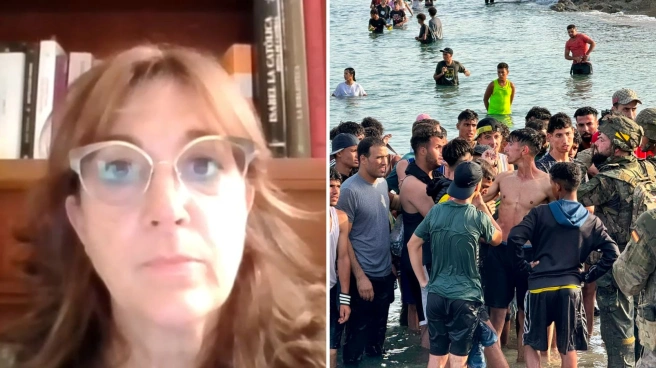
To resolve the backlog in processing migrant files, Rodríguez called for the direct personal involvement of European Commission President Ursula von der Leyen and European Commissioner Teresa Ribera. She urged Madrid and Brussels to invoke the European Union's force majeure and crisis regulation, which took effect on June 14, 2026, to accelerate a massive deployment of administrative resources to the bloc's southern border.
Rodríguez insisted that an army of civil servants must be sent to process all asylum and border documentation directly on site, preventing unsustainable delays. She warned of severe physical and mental exhaustion among the residents of Ceuta, while highlighting the extremely precarious conditions faced by migrants arriving at the enclave.
Reflecting on internal dynamics within the ruling Spanish Socialist Workers' Party, Rodríguez pointed to growing disaffection among members toward the management of Prime Minister Pedro Sánchez. She observed that aggressive public commentary by senior party figures, such as Transport Minister Óscar Puente, only increases concern and alienates grassroots party members from the national leadership.


