The Ukrainian Air Force detected three Russian Tu-160 strategic bombers taking off from Belaya airfield on October 6, triggering warnings of potential incoming missile strikes.
Military commanders reported on Telegram that if cruise missiles were launched from the bombers, the weapons were expected to enter Ukrainian airspace after 3:00 am.
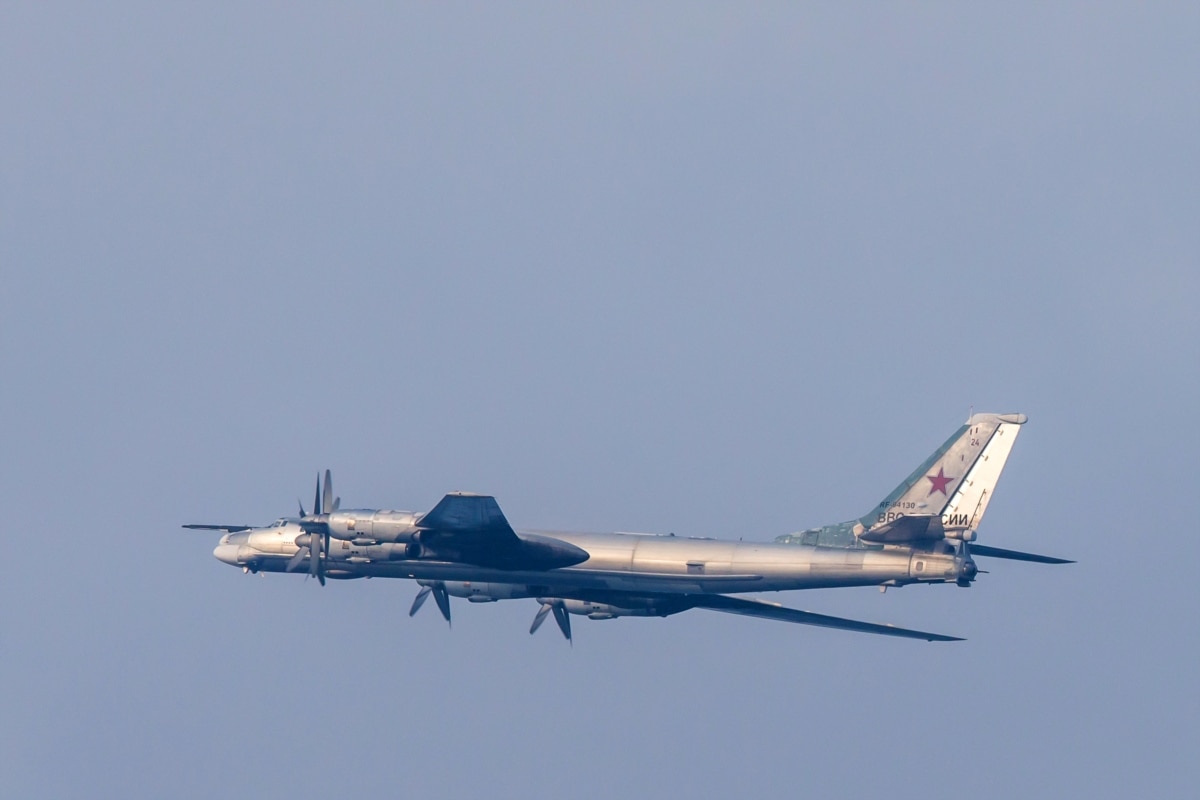
The detection of the aircraft followed two separate warnings issued earlier on October 6 by President Volodymyr Zelenskyy, who cautioned that Russia was preparing a new massive strike against the country.
Zelenskyy stated that Ukrainian defense services and the Air Force were ready to respond to the threat using all available defensive equipment.
The president urged citizens across Ukraine to take care of themselves and to respond without delay to all official missile danger warnings.
Zelenskyy also emphasized that the effectiveness of protecting Ukrainian airspace remained heavily dependent on support from international partners.
Strategic bomber capabilities and air warnings
The Tupolev Tu-160, known by NATO reporting name Blackjack, is the largest and heaviest supersonic combat aircraft ever built. Designed as a strategic nuclear delivery platform, the aircraft can carry up to 12 long-range cruise missiles within its internal weapons bays. Operating under Russia's Long-Range Aviation command, the bombers are routinely deployed to launch standoff precision strikes from distant airspace without entering enemy air defense envelopes.
Belaya airfield, located near Sredny in the Irkutsk Oblast of eastern Siberia, is one of Russia's primary operating bases for strategic bombers. Located thousands of miles east of Moscow, the facility shelters long-range aviation assets, allowing Russian forces to disperse high-value military aircraft far beyond the range of most tactical defensive weapons.
The Air Force of the Armed Forces of Ukraine operates a national air defense network responsible for monitoring airspace, issuing air raid alerts, and coordinating missile interceptions. Ukrainian air defense capabilities combine Soviet-era anti-aircraft missile batteries with modern surface-to-air defense systems provided by Western allies, including the American-made Patriot system, the German IRIS-T, and the Norwegian NASAMS.

Pattern of aerial bombardments and civilian infrastructure
Ukrainian military officials noted that Russian forces regularly target Ukrainian regions with a broad array of weapons, including strike uncrewed aerial vehicles, cruise missiles, guided aerial bombs, and multiple launch rocket systems.
Russian military leadership maintains that its forces do not conduct targeted strikes against civilian infrastructure in Ukrainian towns and villages. Moscow denies intentionally killing non-combatants or damaging civilian targets such as hospitals, schools, kindergartens, power stations, and water supply facilities during the full-scale conflict.
Ukrainian state authorities and international bodies, including human rights monitoring groups and United Nations bodies, reject Moscow's assertions. Official investigations have documented widespread destruction of civilian infrastructure, documenting hundreds of strikes on municipal energy grids, heating plants, and civilian residential areas. Ukrainian legal prosecutors classify these systematic bombardments as deliberate war crimes committed by the Russian Federation.
Since the start of the full-scale invasion in February 2022, long-range missile strikes have repeatedly damaged municipal utilities and essential energy networks across Ukraine. Western partners have responded by delivering advanced anti-aircraft missile batteries to help Ukraine defend critical infrastructure.
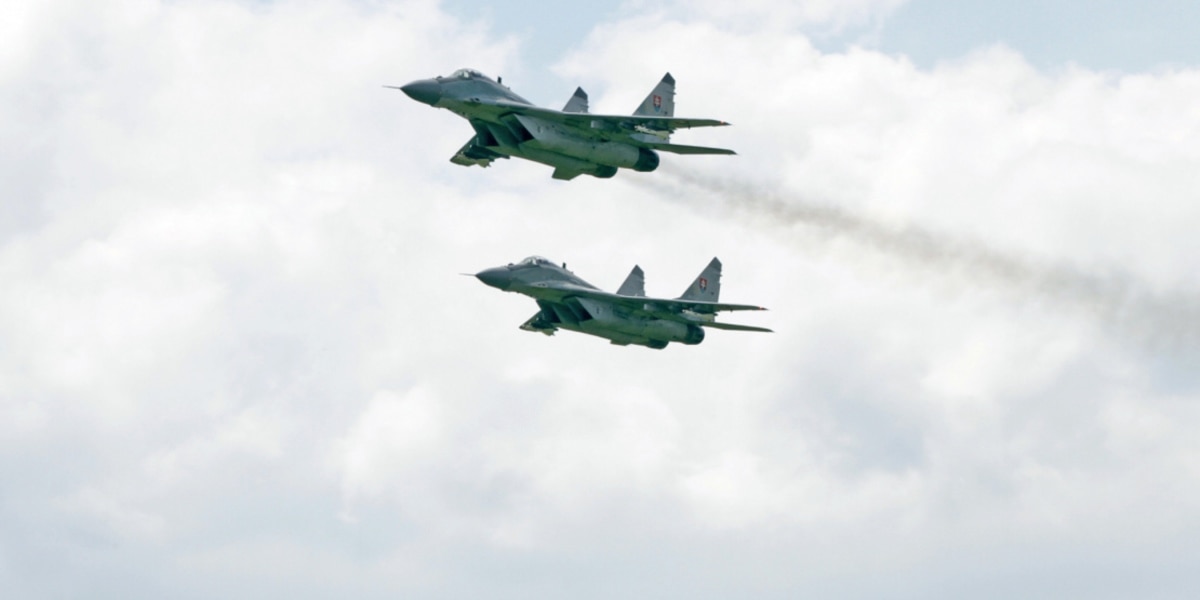
Air defense units and emergency responders across Ukrainian regions remained on heightened readiness following the bomber departures to monitor for potential missile launches during the early morning hours.