


An American F-15E Strike Eagle fighter jet has been shot down over Iranian territory after a network of low-cost drones tracked the aircraft.
Iranian forces used unmanned aerial vehicles to monitor the position, heading, and speed of the fighter jet, enabling a short-range missile to achieve a precise firing solution, according to senior military commanders cited in disclosures initially gathered by The New York Times.
United States Central Command confirmed the loss of the aircraft and the successful rescue of its crew members, though military officials declined to offer further operational details regarding the incident.
The F-15E Strike Eagle is a dual-role American strike fighter designed for deep interdiction and air dominance missions. United States Central Command oversees American military operations across the Middle East, including airspace monitoring and combat deployments.
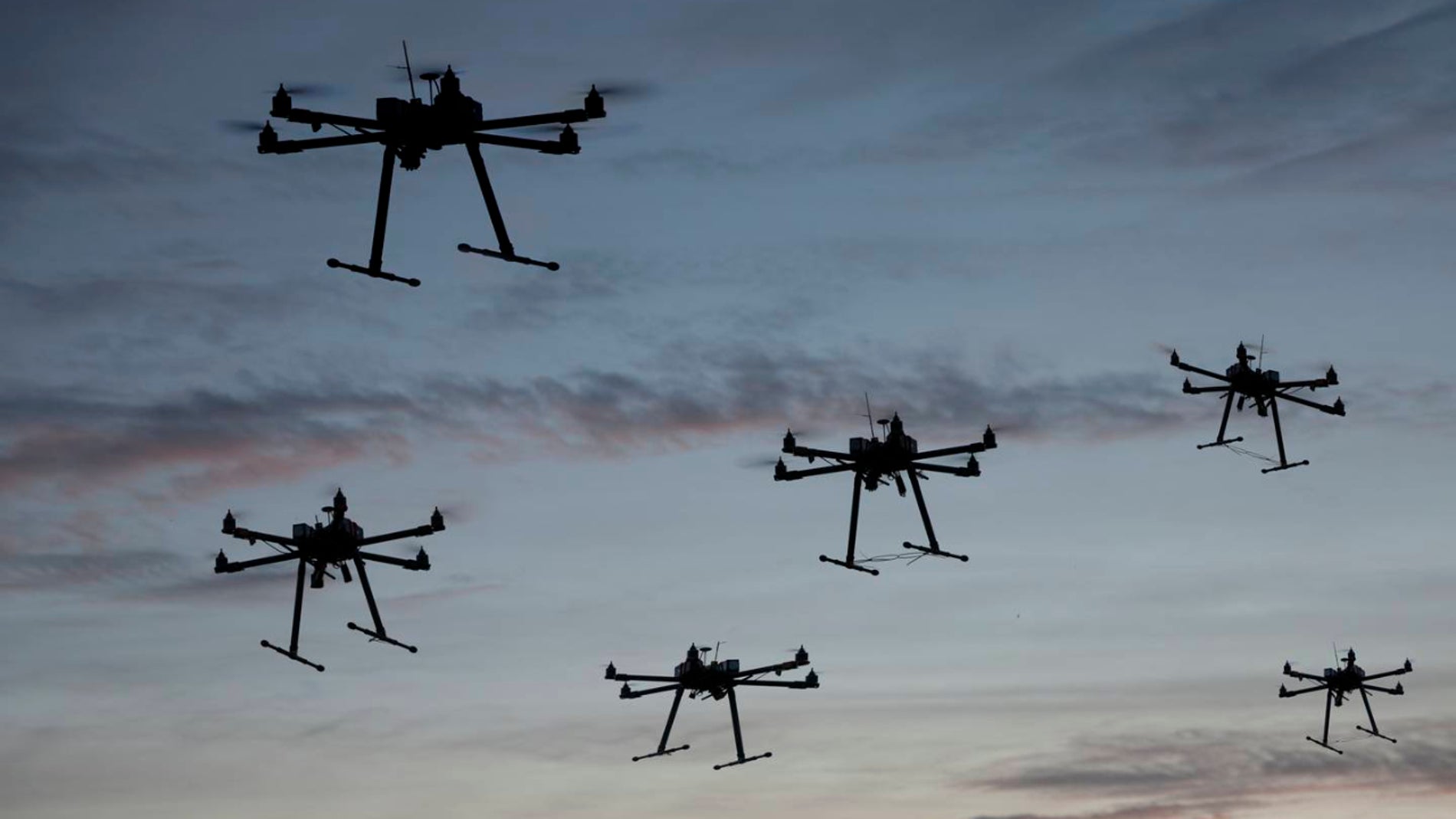
Low-cost sensors and missile tracking
The tactical significance of the operation relies on creating attack vectors without deploying large, easily targetable early warning radar stations. By relaying real-time targeting data directly from airborne drones to operators on the ground, Iranian forces were able to launch a missile along an optical trajectory.
The weapon used in the engagement was a man-portable infrared-guided missile, presumed to be of Chinese manufacture. The onboard countermeasure systems of the F-15E provided the aircrew with a reaction window of barely half a second before impact, underscoring a critical vulnerability in standard threat detection hardware.
Man-portable air-defense systems operate using infrared homing mechanisms that lock onto the heat signatures emitted by aircraft engines. Unlike active radar guidance, passive optical tracking does not trigger conventional radar warning receivers until a missile is launched at close range.
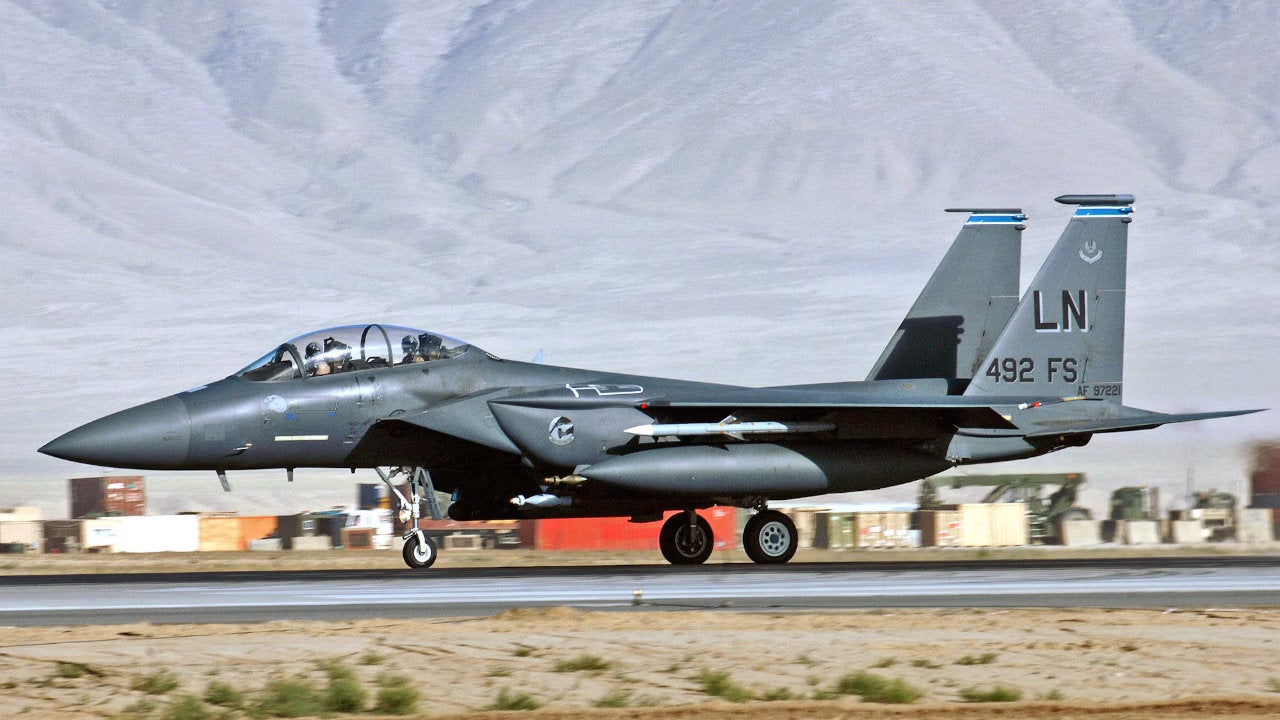
Pilot testimony and aerial formations
Following his ejection and subsequent recovery by rescue teams, the pilot described flying through an environment that resembled a dense aerial minefield. He reported observing a tiered formation of unmanned systems, with larger drone models hovering at higher altitudes above smaller aircraft.
Defense analysts noted that it remains unverified whether that specific drone formation conducted the tracking operation or whether the platforms were operating with advanced autonomous algorithms. However, military experts emphasize that swarms of commercial or military drones equipped with optical cameras or electromagnetic sensors can establish highly effective passive surveillance networks.
The engagement reflects tactics previously demonstrated during the war in Ukraine, where cheap commercial sensors have repeatedly proven lethal against sophisticated conventional combat platforms. Distributing dozens of inexpensive, expendable nodes across a defensive sector ensures that the loss of individual drones does not compromise overall network functionality.
Tactical shift in air defense strategy
Military strategists highlight that destroying traditional command posts and primary radar installations no longer guarantees control of contested airspace. Future air missions will require rapid operational adjustments as fourth and fifth-generation fighter jets face decentralized networks of low-cost drones alongside advanced surface-to-air missile batteries.


