


Moroccan authorities have refused to answer Spanish High Court magistrate María Tardón's judicial requests regarding a cross-border drug tunnel discovered in Ceuta. The magistrate sent letters rogatory over a year ago to clarify activity on the Moroccan side of the passage, which was uncovered in March 2025 during a law enforcement operation codenamed Operation Hades.
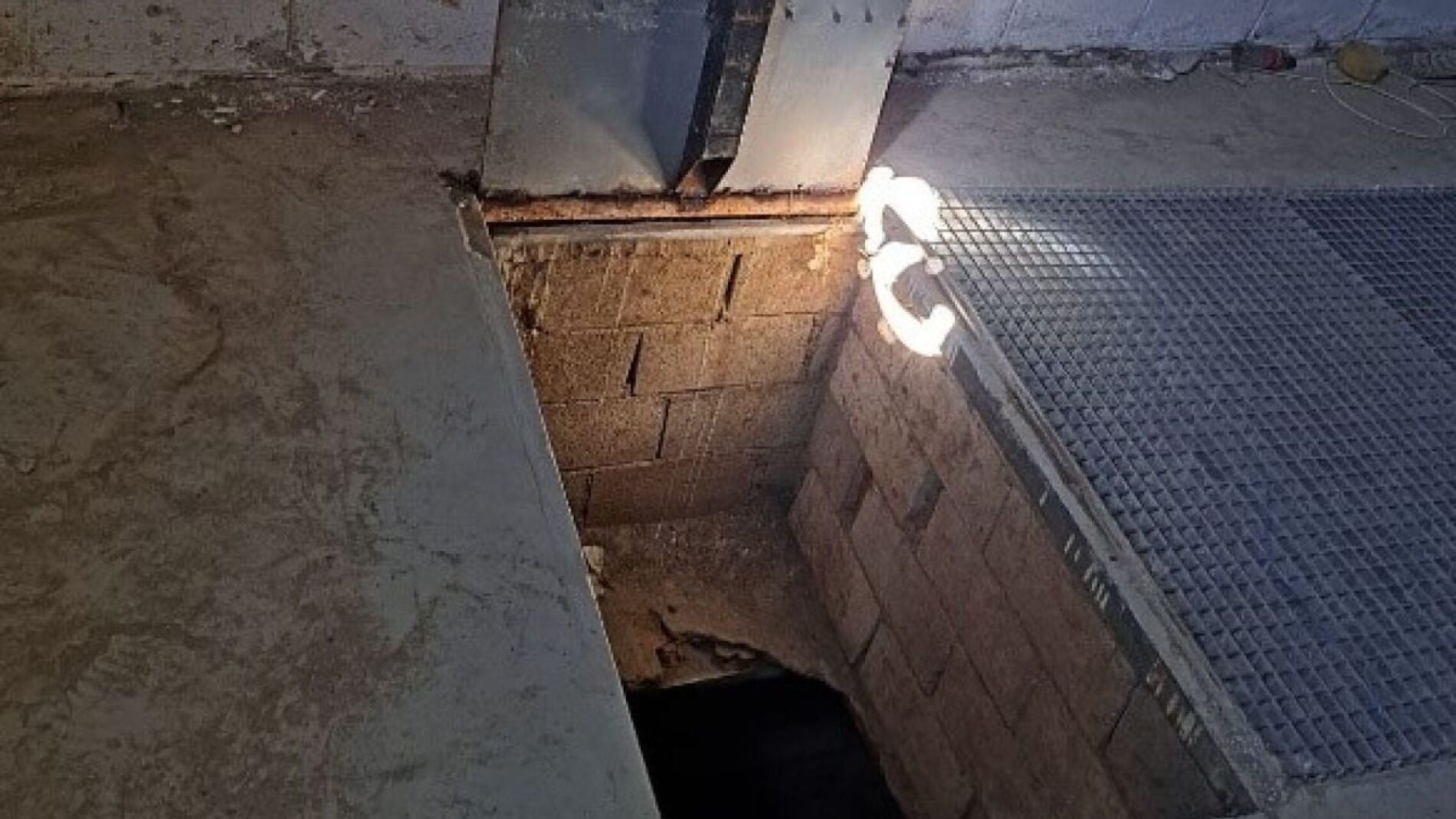
The subterranean passage was the first drug tunnel of its kind discovered connecting the Spanish autonomous city of Ceuta, located on the North African coast, directly with Moroccan territory. Spanish investigators found that the underground gallery extended beneath the international boundary line. Because national law enforcement agencies could only conduct official inquiries up to the border line, Judge Tardón requested international judicial assistance to extend the investigation into Morocco.
In her initial judicial resolution, the magistrate stated that the evidence indicated the facts could affect criminal structures in both countries, making the broadest cooperation between competent authorities necessary. The initial request for judicial assistance was dispatched through the Spanish Ministry of Justice on February 21, 2025.
Judge Tardón, who heads Central Court of Instruction Number 3 at the Audiencia Nacional, Spain's central court responsible for complex cross-border and organized crime cases in Madrid, asked Moroccan officials to locate the exact opening of the tunnel on their side of the border. She also asked them to investigate possible ties between the suspects arrested in Spain and criminal organisations operating in Morocco.
Additionally, the judicial petition requested that authorities in Rabat communicate to the High Court what legal proceedings they had carried out locally to determine eventual responsibilities. However, Moroccan officials have failed to provide any response.
Judicial requests ignored by Rabat
The persistent silence from Rabat forced the Spanish court to issue repeated formal reminders over the following months. In July 2025, Judge Tardón issued a new procedural order seeking to learn the outcome of the letters rogatory. The following day, the Ministry of Presidency, Justice and Relations with the Cortes re-submitted the documentation to Moroccan authorities, but again received no response.
The magistrate issued a third request in January 2026 as nearly a year had elapsed since the initial petition. According to legal sources consulted by the newspaper, the situation remains entirely unchanged, with Moroccan officials continuing to ignore all judicial communications.
The lack of response has taken on special significance due to ongoing diplomatic and security tensions. Relations between Spain and Morocco are currently described as being on stand-by following a major migration crisis in Ceuta caused by a mass arrival of irregular migrants in July 2026. The crisis led to regional collapse and created a severe political trial for the government of Spanish Prime Minister Pedro Sánchez.
The judicial silence is also heightened by the specific location of the subterranean infrastructure. Investigations place the Moroccan entrance of the tunnel in the immediate vicinity of Castillejos, a border town also known as Fnideq, situated in a high-security zone subject to intense surveillance.
The inquiry specifically seeks to clarify how a gallery intended for drug trafficking could be constructed and operated for at least ten years just metres away from one of Morocco's most heavily guarded border sectors, as previously reported by the newspaper.
Subterranean passage under Tarajal industrial estate
The drug tunnel exited in Ceuta inside a former marble factory located within the Tarajal industrial estate, a commercial zone situated directly adjacent to the border crossing. Constructed at a depth of approximately 12 metres, the passage was used for years to bring hashish into Ceuta while bypassing official border controls.
Once brought into the Spanish enclave, the narcotics were subsequently transferred across the Strait of Gibraltar to the Iberian Peninsula for broader distribution. Ceuta, along with Melilla, forms one of the European Union's two land borders on the African continent, making its perimeter a key focus for anti-smuggling operations.
Civil Guard officers implicated in smuggling ring
Judge Tardón is investigating a sophisticated criminal organisation that maintained a dedicated security structure to facilitate narcotics trafficking through the underground route. A total of 15 people have been arrested so far in connection with the judicial proceeding.
The suspects include four officers from the Civil Guard, Spain's gendarmerie force responsible for border protection and coastal security. The four agents stationed in Ceuta are formally under investigation for allegedly providing coverage and protection to the criminal group in exchange for monetary bribes.
The High Court proceeding is attempting to reconstruct how long the tunnel remained operational, identify everyone who participated in its use, and determine what organizational framework existed on the Moroccan side of the border.
Links to human trafficking and national security inquiries
The investigation has also uncovered potential alternative uses for the subterranean route. According to legal sources and figures close to drug trafficking cases, the tunnel was not used exclusively for narcotics, but was also utilized at various times to facilitate the entry of weapons and the illegal entry of migrants into European territory.
The possibility that the passage was used for human smuggling carries additional weight following the major migration event in Ceuta during July 2026. Magistrate María Tardón is concurrently serving as the investigating judge for that incident as well.
After finding initial evidence of potential crimes against the peace and independence of the state, Judge Tardón opened preliminary judicial proceedings into the mass border crossing. She instructed the Central Unit for Illegal Immigration Networks and False Documentation of the National Police, a specialized division known as Ucrif, to prepare a detailed report determining whether the influx was a concerted action orchestrated by a criminal organisation.
As part of that parallel investigation, the magistrate has also demanded identifying details and records of anyone who may have participated in organizing or executing the mass entry.


