


German startup SaxonQ has launched a 128-qubit quantum computer that operates at room temperature and fits into a conventional server rack.
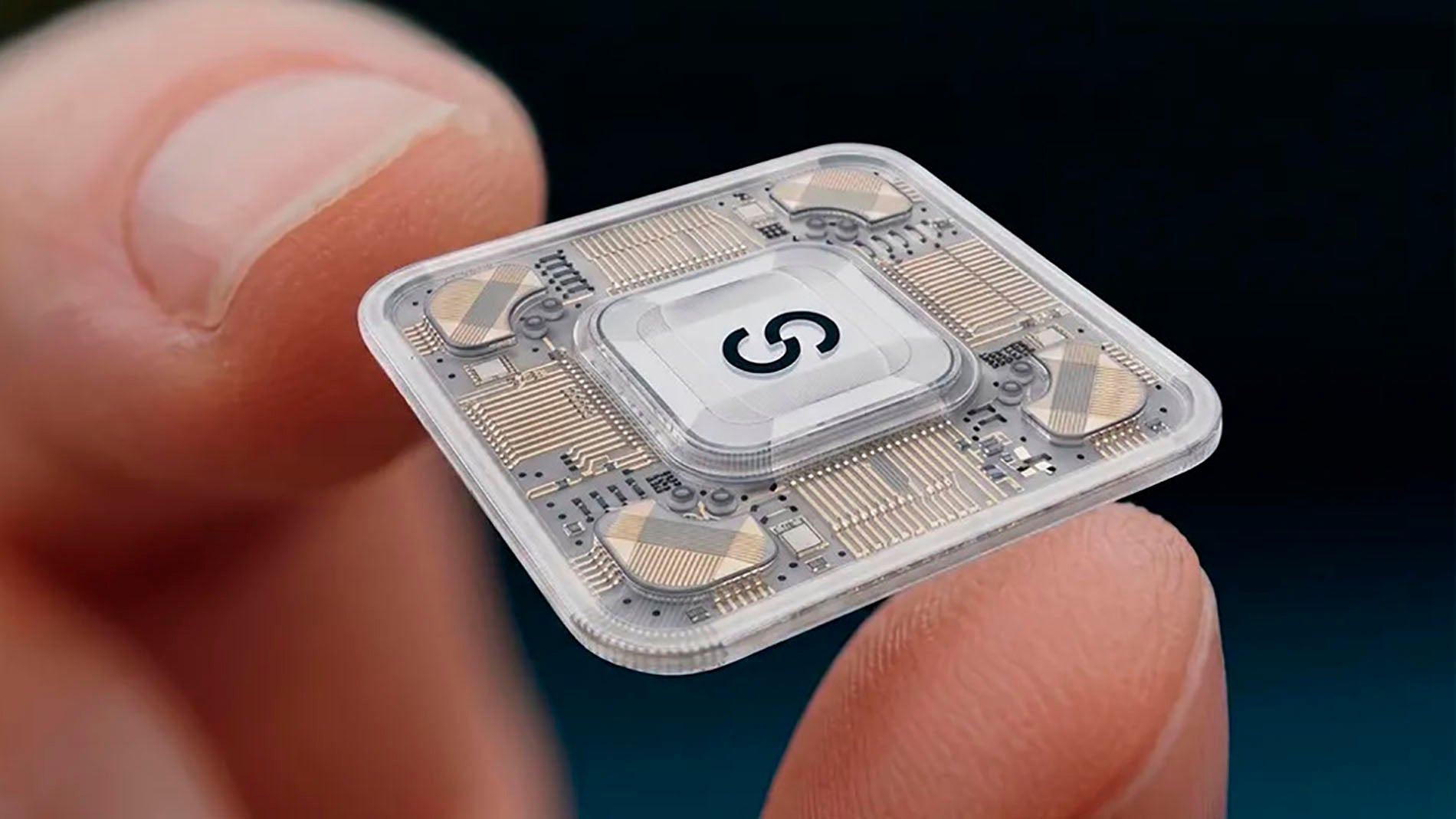
The system avoids the massive cooling infrastructure required by competing quantum technologies. While industry leaders such as IBM and Google spend large sums on giant freezing units to keep hardware near absolute zero, maintaining those low temperatures increases overall facility size, energy consumption, and equipment costs.
SaxonQ said its alternative design uses synthetic diamonds to function inside normal data center environments. The company currently offers configurations of up to 128 qubits and plans to deliver a 512-qubit system in 2027.
Synthetic diamond architecture
In a standard diamond, carbon atoms form an extremely ordered lattice. SaxonQ modifies this structure during manufacturing by placing nitrogen atoms next to tiny empty spaces where carbon atoms would normally rest.
These structural defects create the qubits used for quantum computing. The company also introduces sulfur during production to gain precise control over those defect zones and produce a higher number of usable qubits.
Lasers and microwave pulses then prepare and alter qubit states to execute calculations. Because the internal process enables room-temperature operation, the machine connects directly to a standard 230-volt electrical outlet and functions in ambient temperatures between approximately 18 and 27 degrees Celsius.
Commercial models and performance
The commercial SXQ128 model packs 128 qubits divided across multiple processor cores. SaxonQ reported single-qubit operational accuracy of 99.98 percent, though the company noted that this figure has not yet been independently verified.
Comparing qubit numbers alone can be misleading, as superconducting systems execute operations faster and benefit from many more years of technical development. SaxonQ stated that its primary advantage lies in radically shrinking the physical infrastructure needed to operate a quantum computer in a company or laboratory.
The company plans to release 512-qubit systems starting in the second quarter of 2027 and aims to surpass 10,000 qubits after 2030. Although a 10,000-qubit chip was recently introduced by others, SaxonQ noted that the technologies follow entirely different design paths.
Real-world testing will determine how these diamond-based systems perform as they scale up. If SaxonQ maintains its operational benefits at larger scales, future quantum computing installations could demand significantly less physical space, power, and cooling than previously required.


