Dozens of Peruvian mayors are using a ballot loophole to remain in power ahead of regional and municipal elections in October, despite a constitutional ban prohibiting immediate re-election for local executives.
With 42 days remaining before citizens go to the polls, data shows that 135 mayors elected in 2022 registered as first councilors on electoral lists in their own districts ahead of the August 5 candidate resignation deadline. Under Peruvian municipal law, the candidate registered as first councilor assumes the role of deputy mayor, effectively positioning outgoing leaders to retain control over district administration.
In the majority of cases, political parties have designated a trusted official from the current administration, a close collaborator, or a direct family member of the incumbent mayor as the primary candidate for the top mayoral spot.
Party Numbers and High-Profile Cases
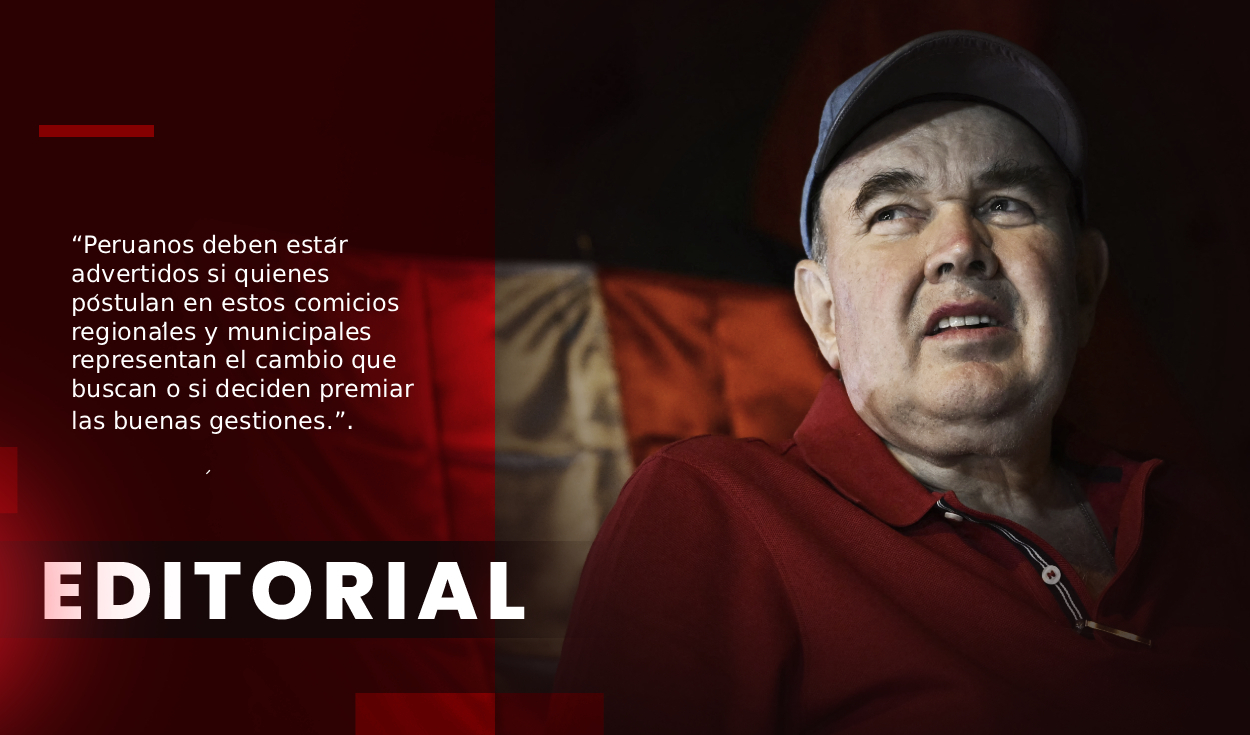
The most prominent case involves former Lima Mayor Rafael López Aliaga, who stepped down from his administration in the capital. The practice is not isolated to Lima, extending across the departments of Arequipa in the south, Ucayali in the east, La Libertad in the north, and dozens of municipal districts throughout Peru.
Party registration data indicates that Somos Perú leads the pattern with 12 identified cases, followed by Alianza para el Progreso with 10 cases and Renovación Popular with six cases. Several lists feature direct relatives of current district authorities standing for the main mayoral position while incumbents run as first councilors.
Somos Perú, Alianza para el Progreso, and Renovación Popular are among the country's main political parties, frequently competing for municipal seats across Peru's 24 departments. Analysts view the strategy as a coordinated effort to guarantee political continuity regardless of which candidate appears at the top of the ballot.
Constitutional Limits and Electoral Rules
The strategy sidesteps Law No. 30305, which was passed by the Congress of the Republic of Peru in 2015. The law amended the Constitution of Peru to ban mayors from seeking immediate re-election, aiming to prevent local leaders from perpetuating themselves in office and to guarantee voters regular opportunities for administrative change.
In Peruvian municipal elections, citizens vote for closed party lists. The winning party's top candidate becomes mayor, while the first councilor on the list automatically becomes deputy mayor, positioning the incumbent to guide policy and administrative decisions behind the scenes.
Voter Impact and Legislative Reform
The arrangement creates a direct dilemma for voters, who may inadvertently re-elect an existing administration while seeking political change. In districts facing halted public works projects, deteriorated municipal services, or unresolved misconduct complaints, supporting these lists results in an involuntary extension of current management.
To make informed choices, voters are encouraged to check whether the candidate listed for deputy mayor is the current district authority before casting their ballot, allowing them to explicitly reward or penalize the ongoing administration.
While voter scrutiny remains the primary defense against political maneuvers on election day, definitive structural change rests with the Peruvian Congress, which faces calls to initiate a formal debate on whether subnational re-election should be reinstated.