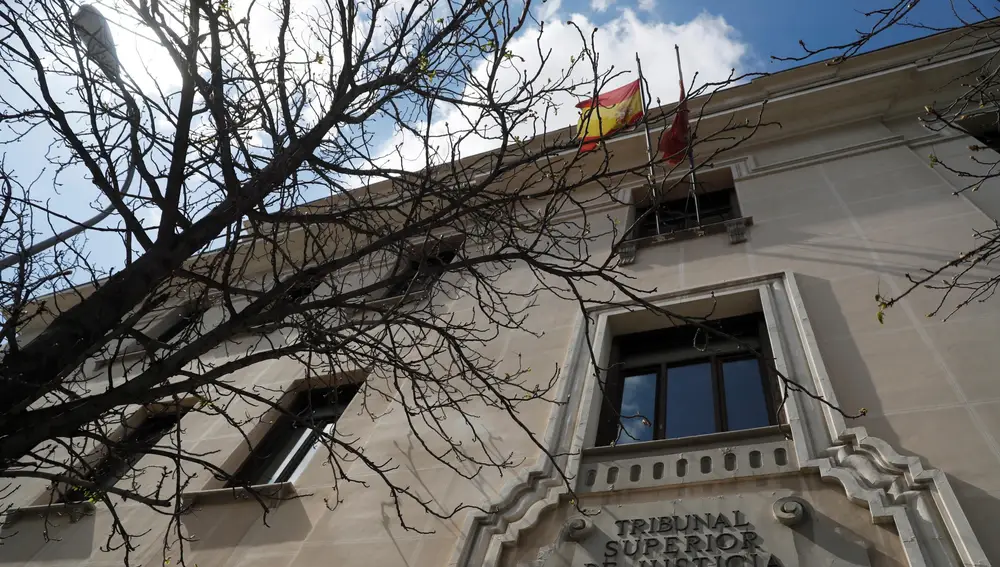
The Tribunal Superior de Justicia de Madrid (TSJM) has rejected an appeal by a worker who demanded that Spain's Social Security system reimburse him for private psychologist sessions he paid for during two periods of sick leave. Ruling number 380/2026, issued on April 30, 2026, upholds a lower court decision and finds that reimbursement only applies in cases of vital risk where the public health system was not accessible, conditions the court said were not met here.
The claimant began a period of sick leave in March 2021 for major depressive disorder that lasted until November 2022. A second period of leave, for emotional symptoms, ran from July 2023 to April 2024. Throughout both periods, he sought treatment on his own from a private psychologist, who billed him 50 euros per session between March 2021 and May 2025.
He asked his employer's mutua, the private insurer that manages workplace sick-leave benefits, to reimburse those costs. The mutua refused in October 2023.
The worker's claim and the mutua's response
Before taking the case to court, the worker filed a prior claim with Spain's National Social Security Institute (Instituto Nacional de la Seguridad Social, INSS) and with the mutua itself. He argued that the mutua, despite acting as both his employer and a collaborating entity within the Social Security system, never offered him resources for psychological treatment, leaving him no choice but to pay privately. He also claimed the sessions had been prescribed by a doctor within the public health system, though no formal referral report backed up that claim.
The mutua opposed the reimbursement, arguing the worker had chosen to go to a private provider on his own initiative and without any official referral. Madrid's Social Court number 4 sided with the mutua in a July 2025 ruling, dismissing the claim on the grounds that the legal requirements for reimbursement had not been met. The worker then appealed to the TSJM.
Court requires proof of a life-threatening emergency
The TSJM's Social Chamber upheld the lower court's reasoning. It applied Article 4.3 of Royal Decree 1030/2006, the regulation that sets out the service portfolio of Spain's National Health System. That article establishes that public health services must be provided through the system's own or contracted centres, except in situations of vital risk. Only when care is shown to be urgent, immediate and vital does reimbursement for outside treatment become possible.
In this case, the tribunal stressed that the worker went to the private psychologist on his own initiative, with no report from a public-system doctor referring him to that treatment. Nor was it proven that public care was inaccessible or that any delay had put his health at risk. The court concluded that none of the exceptional circumstances required to justify reimbursement were present.
The ruling also rejected the worker's attempt to amend the proven facts of the case to state that the sessions had been prescribed by a public-system doctor, finding that claim was not backed by sufficient documentary evidence.